
Simulations show the Moon formed in five hours after impact

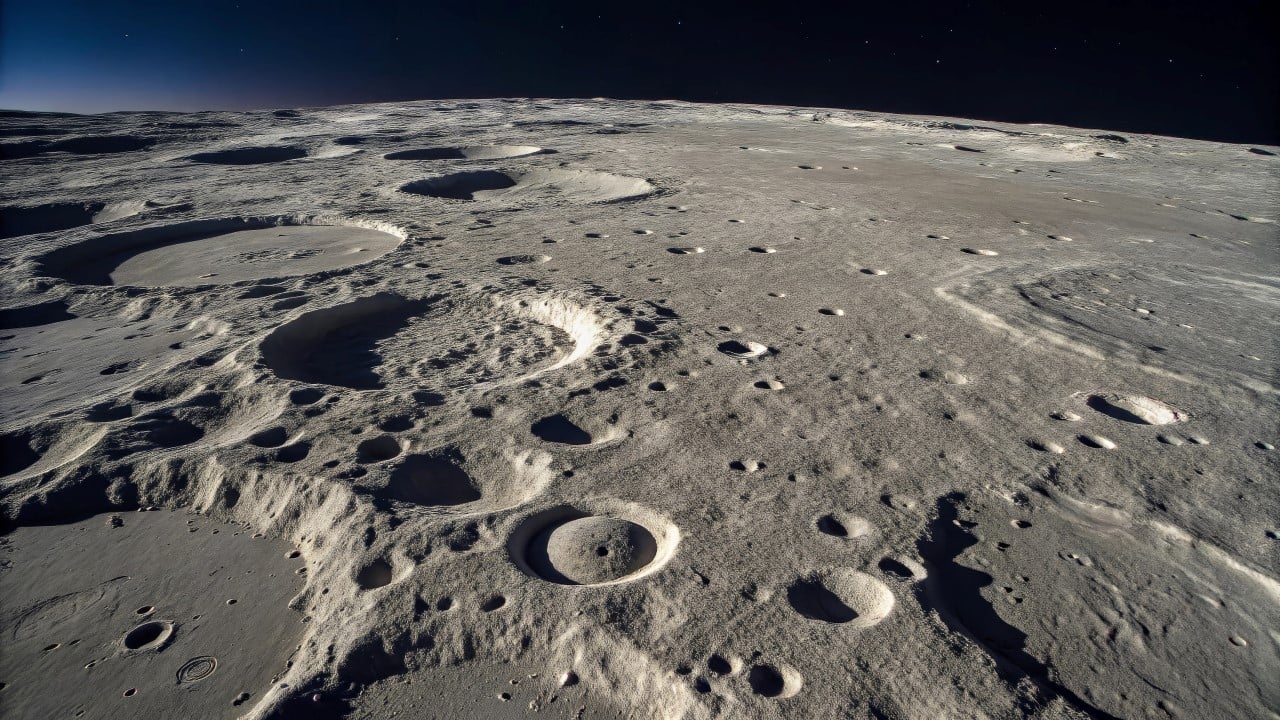
New computational simulations released on 9 September 2026 demonstrate that the Moon emerged within five hours after a planetary collision. The catastrophic encounter involved the young Earth and a protoplanet named Theia.
New simulations recalculate lunar origin timeline
Scientists previously thought that lunar formation required a vastly longer period to coalesce following the impact. The revised models examined the immediate debris field produced when Theia collided directly with Earth. Researchers tracked how gravitational dynamics caused the expelled material to rapidly gather into a single satellite.
Rapid coalescence observed in planetary models
Material from both Earth and Theia constituted the ejected remnants.
The reassessment confirms that the moon took shape in just 5 hours rather than over extended geological epochs. Debris from Earth and Theia coalesced into orbit almost instantaneously after the initial celestial strike.
Key components of the updated planetary impact
- Earth sustained a direct strike during the early history of the solar system.
- The protoplanet Theia provided the impact force that dislodged massive amounts of planetary debris.
- The Moon condensed from the aftermath within an unprecedented window of 5 hours.
The findings transform planetary science. By reassessing how the debris from the ancient collision between Earth and the protoplanet Theia interacted in space, the numerical simulations demonstrate that physical forces consolidated the lunar mass in 5 hours instead of gradual accumulation over decades. Data recorded on 9 September 2026 outlines this accelerated timescale for the birth of Earth’s sole natural satellite.
Implications for understanding ancient cosmic collisions
Prior theories indicated that planetary debris took centuries or millennia to assemble after Theia struck Earth.
The novel simulations demonstrate that the aftermath of the crash created conditions for the Moon to assemble in 5 hours. Subsequent studies will further analyze the material remnants left across Earth from the impact with Theia.





