
Spanish GP risks frequent red flags at new Madring track

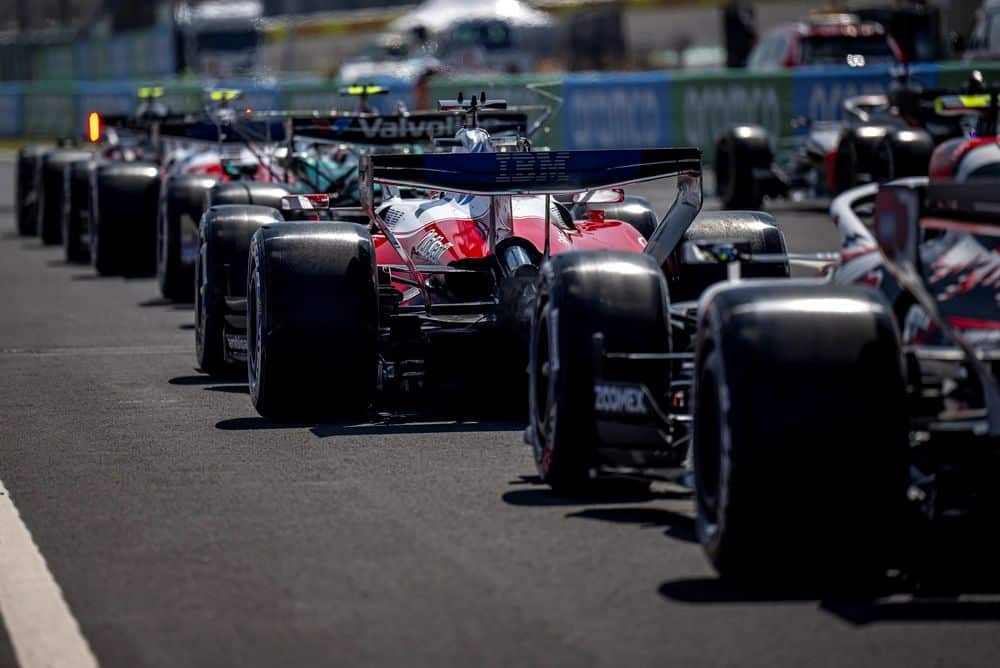
The Formula 1 Spanish GP in Madrid faces a high risk of repeated race stoppages because of the physical layout of the newly designed street course. Isabel Omaque, head of the medical center at the Madring circuit, confirmed that a severe shortage of run-off space significantly elevates the probability of red flags.
Spanning 5.4 km across 22 corners, the circuit connects areas near IFEMA with a purpose-built section in Valdebebas, incorporating slow chicanes, heavy braking zones, and high-speed stretches such as the banked La Monumental corner where concrete retaining walls sit immediately adjacent to the racing line. Drivers retain almost no space to recover from driving mistakes. Track borders remain tight.
Recent Formula 3 testing sessions already exposed these hazards when multiple barrier impacts triggered repeated track halts.
Omaque explained that any trackside recovery operation will force race control to neutralize competition through a Virtual Safety Car or a full Safety Car. Complex incidents will require immediate red flags, matching the interruptions seen during the F3 test runs.
“There are no service roads here,” Omaque stated. “Most circuits feature perimeter roads that allow recovery crews to access the asphalt and work safely without stopping traffic.” “Whenever personnel must intervene, race officials will have to dispatch a Virtual Safety Car, deploy a full Safety Car, or wave a red flag,” Omaque added.
The medical chief noted that Madring lacks gravel traps along most sectors and offers virtually zero run-off room before the barriers. “The race must stop whenever cars hit walls, because without gravel this venue leaves zero margin for error,” Omaque noted.





