Ancient teeth reveal human drug use from 25,000 years ago

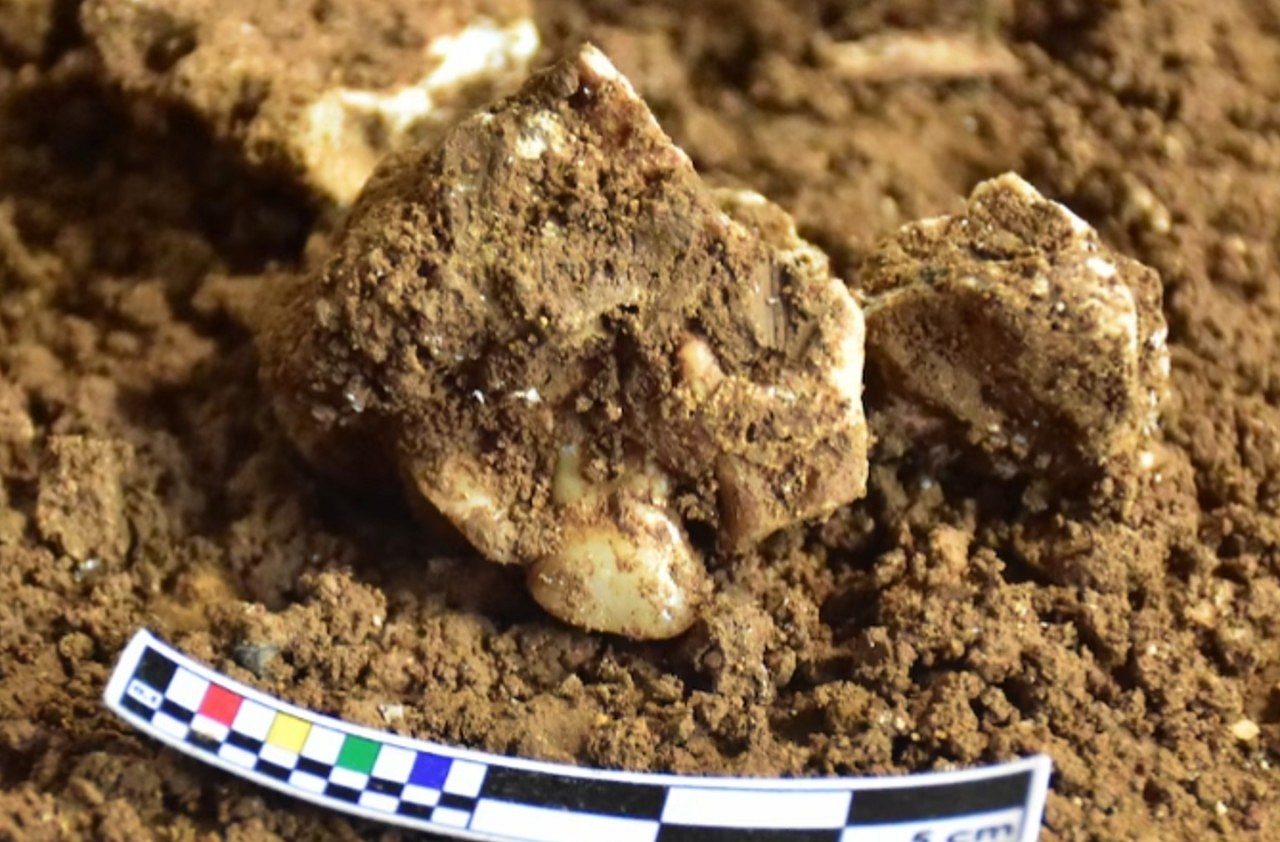
Archaeologists confirmed physical evidence of human psychoactive drug consumption dating back 25,000 years. The discovery marks the earliest documented record of narcotic substance use in human history.
Fossilized teeth recovered in Indonesia demonstrate that prehistoric foragers sucked on betel nuts to manage physical pain.
Researchers consider older drug practices likely across prehistoric populations. Direct physical proof remains exceptionally difficult to recover from ancient burial grounds.
Betel nut ranks among the most widespread stimulants globally alongside caffeine and nicotine.
Excavations on the Indonesian island of Sulawesi exposed the fossilized remains of two individuals who carried chemical signatures of the drug embedded in their jawbones. Both hunter-gatherers lived thousands of years apart on the island.
The older skeleton dates between 16,000 and 25,000 years ago, pushing back the verified record of human drug consumption by 3,000 years.
The findings appeared in the academic journal Science Advances. The study details microscopic wear patterns on ancient dentition.
Adam Brumm, an archaeologist at Griffith University and lead author of the study, explained that both individuals rolled the palm seeds inside their mouths like hard candies.
Professor Adam Brumm sampled the raw nut during field research. He confirmed that the seed produced a localized loss of sensation across the mouth.
“I suspect that was the effect that they were after,” he said.
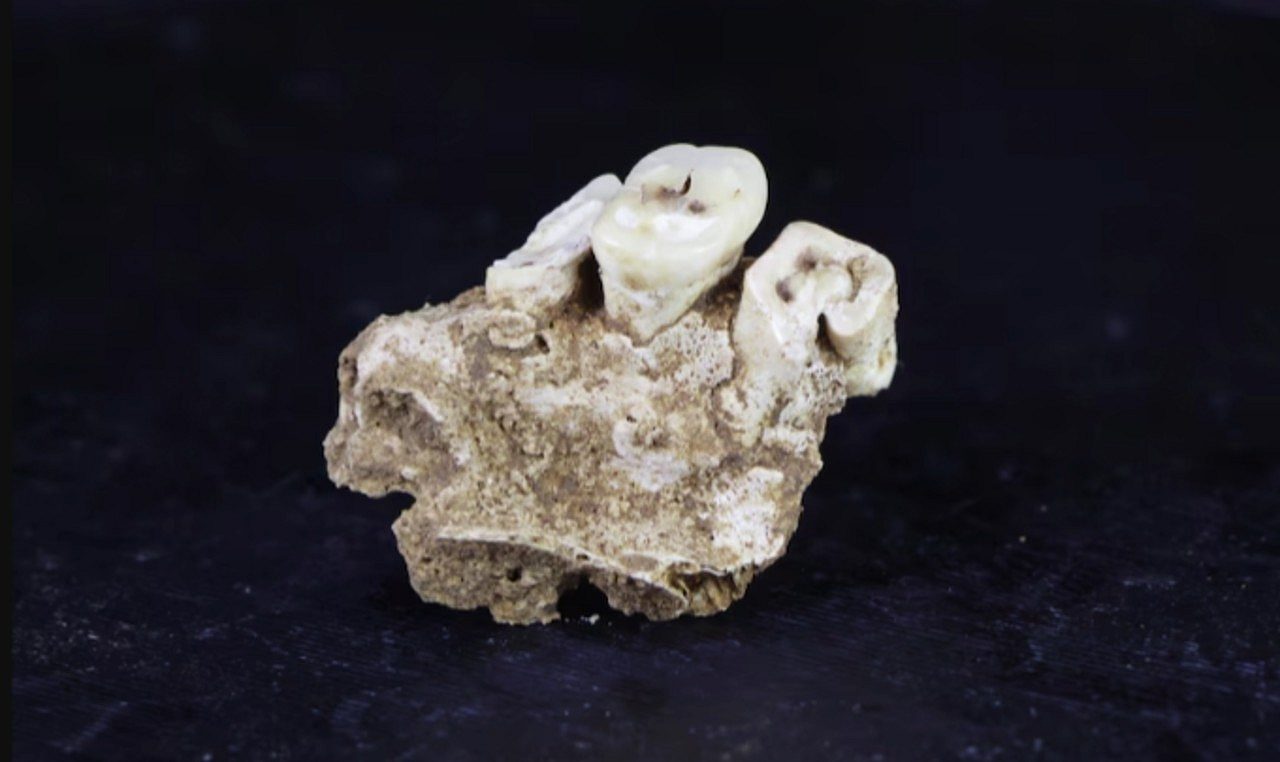
Deep enamel grooves puzzle researchers at Sulawesi excavation sites
A joint team of Australian and Indonesian researchers retrieved the ancient remains from two limestone cave sites in South Sulawesi. The skeletons survived inside distinct geological strata.
The younger hunter-gatherer lived between 6,300 and 7,600 years ago, well before agricultural communities settled Sulawesi.
Both individuals exhibited severe, identical physical wear patterns across their front teeth. Enamel surfaces displayed hollow horizontal channels.
“Although they were separated by about 10,000 years of time, they had these really distinctive and very unusual tooth grooves,” Professor Brumm said.
“We couldn’t explain them.” The wear patterns remained unexplained.
Mechanical dental evaluations indicated that prolonged rubbing from a spherical object measuring one to two centimeters created the cavities.
“I thought, immediately, betel nut is the most likely possibility,” Professor Brumm said. The size matched the native palm seed precisely.
Laboratory tests show how ancient nut sucking altered brain function
The areca palm produces seeds indigenous to the rainforests of South-East Asia.
Modern consumers use the seed as a stimulant comparable in global prevalence to tobacco and alcohol. Millions chew it across Asia and the Pacific.
Modern consumers grind the dry seed and combine it with slaked lime to increase alkaloid delivery into the bloodstream.
“We hypothesised that before the development of the betel nut chewing custom, there may have been an earlier stage in the human use of betel nut where they just sucked on the nut itself,” Professor Brumm said. Prehistoric groups lacked the chemical preparation techniques documented today.
The Australian research team created an experimental trial to measure the biological effects of unprocessed nut consumption.
By soaking the tropical seeds in synthetic saliva and exposing frog egg cells modified with human brain receptors to the resulting fluid, the scientists established that prolonged oral suction released active compounds capable of altering cellular function in neural tissue. The biological interaction mimicked targeted neurological stimulation.
The laboratory results confirmed that chemical compounds released through gentle suction reached human nervous system pathways.
“It will alter human brain function, but not to the extent of modern betel nut chewing with slaked lime,” Professor Brumm said. The effect remained milder than contemporary preparations.
Chemical chromatography on the prehistoric teeth isolated arecoline, the primary psychoactive alkaloid found in areca seeds.
Sofia Samper Carro, an archaeologist at the Australian National University, reviewed the biological data and validated the team’s conclusion. She noted that the mechanical wear matched habitual plant manipulation.
“The early evidence of drug consumption presented here predates any published evidence by thousands of years,” Dr Samper Carro said.
Prior to the Sulawesi discovery, the oldest confirmed archaeological evidence of drug consumption belonged to 13,000-year-old beer residues unearthed in Israel. The Indonesian finds double that timeline.
Habitual consumption created mouth relief alongside severe dental decay
Archaeologists concluded that ancient foragers used the seed as an anesthetic agent to numb oral inflammation.
Continuous friction against the teeth stripped protective enamel down to the exposed root canal. The damage generated excruciating tooth decay.
Professor Brumm characterized the prehistoric behavior as a destructive behavioral loop.
“The more they sucked the nut for pain relief, the worse it damaged their teeth and the more they became addicted to sucking the nut to treat that.” Daily reliance aggravated the underlying pathology.
Modern medical literature associates habitual betel nut consumption with widespread gum disease and an increased incidence of oral cancer.
“You can see the pretty serious negative health consequences and how humans have grappled with those for at least 25,000 years on this island,” Professor Brumm said. Prehistoric populations bore severe physical burdens from chronic consumption.
Dr Samper Carro stated that future dental residue studies could uncover earlier narcotic habits in older hominin species.
“I’m convinced that even earlier hominids, such as Neanderthals, would have used natural remedies to fight pain and infection,” she said. Wild plants provided essential analgesics across prehistory.
Professor Brumm maintained that pharmaceutical experimentation predates the 25,000-year-old Sulawesi remains.
“There’s no human society today that doesn’t use drugs of some kind,” he said. Every documented population developed chemical rituals.
“But we just know so little about the deep antiquity of these practices.”
Beatriz Lima é colaboradora da redação do Mix Vale, portal de notícias com cobertura de Brasil e mundo. Produz conteúdo nas editorias de economia e benefícios, com foco em informação de serviço para o leitor brasileiro. Escreve para o portal desde 2024.