
Bacteria store biological memories like artificial networks

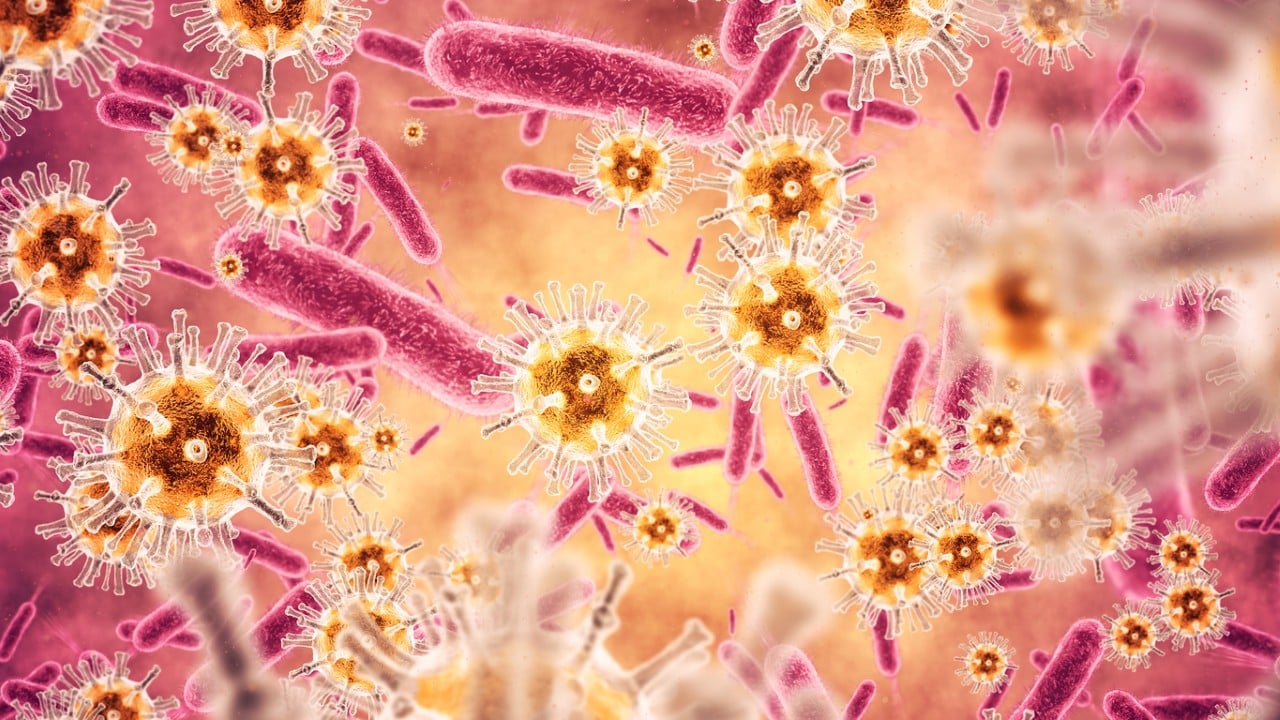
Scientific definitions associate learning with brain activity, though biological information processing occurs without nervous systems. Single cells also learn.
Living entities demonstrate cognitive adaptation whenever historical environmental exposures directly influence their upcoming survival decisions.
Computational biophysicist Shiladitya Banerjee documented in the journal PRX Life that individual bacterial organisms preserve past environmental data to adjust their future biological reactions. This discovery confirms functional memory retention within solitary single-cell organisms.
Nutrient tracking enables cellular adaptation during fluctuations
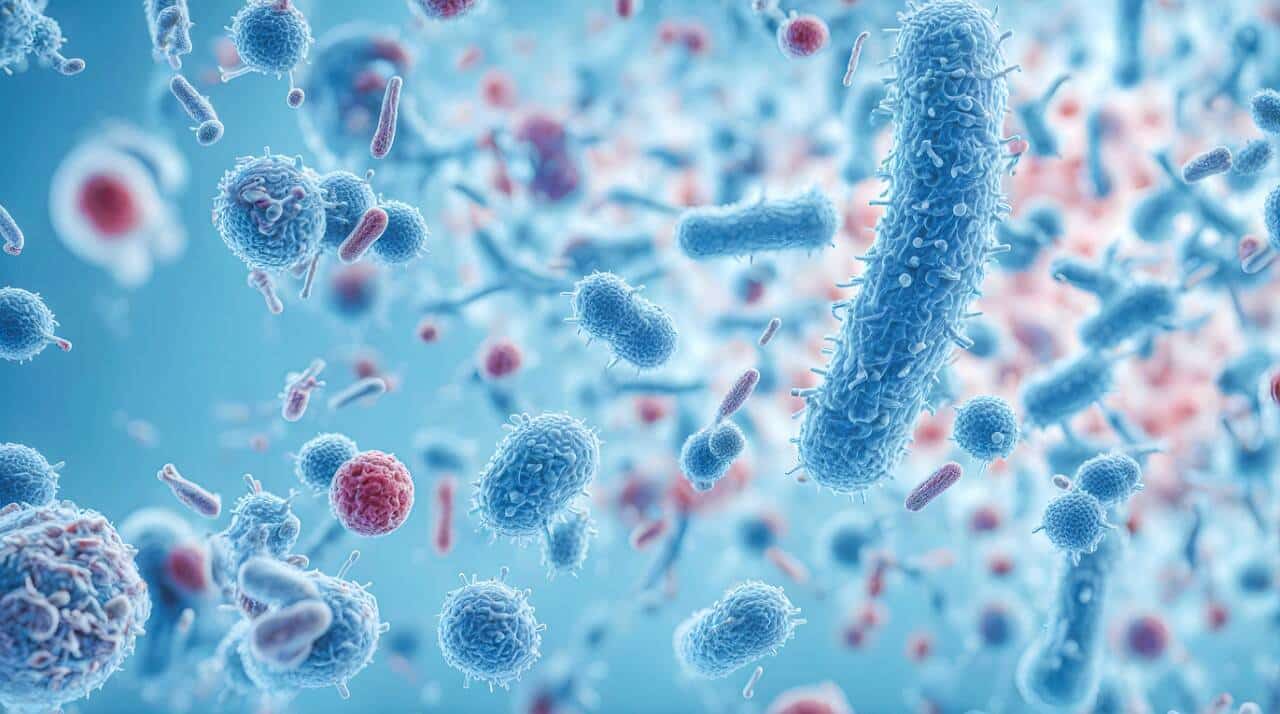
Microbes inhabiting dynamic spaces like the human gut experience perpetual shifts in available nutrients, internal temperatures and antimicrobial pressures across diverse timescales.
Cellular survival depends on balancing immediate reactions to surrounding hazards while safeguarding data gathered from prior encounters. Rapid shifts risk fatal instability, whereas total memory loss prevents micro-organisms from defending against recurring ecological dangers.
Shiladitya Banerjee investigated this regulatory equilibrium by analyzing how simple living architectures process computational inputs inside unpredictable habitats.
Laboratory teams deployed a microfluidic device to observe tens of thousands of distinct E. coli cells while altering food availability at scheduled intervals. Researchers manipulated the food delivery switches across varying temporal frequencies.
The experimental tracking proved that E. coli cells record their nutritional past rather than merely responding to surrounding food concentrations.
Unconditioned cells encountering sudden nourishment showed delayed responses identical to baseline profiles, whereas E. coli cultures previously subjected to alternating feast-and-famine intervals accelerated their metabolic adjustments immediately. They adapted faster.
Because identical external media surrounded both experimental groups, the biophysicists concluded that internal biological archives guided the acceleration of cellular growth.
Historical exposures dictated the ongoing physiological adjustments of the E. coli specimens. The cells learned.
Ribosomes serve as primary physical sites for cellular data retention
The investigators examined the internal biochemistry of E. coli to identify the precise cellular hardware holding this historical data.
The research group engineered a mathematical formulation of the molecular network regulating cellular expansion under variable nutrient conditions. This computational framework mirrored observed microbial traits while isolating the probable physical location of bacterial memory.
Calculations identified cellular ribosomes as the primary structures responsible for retaining environmental information. These protein-synthesizing complexes establish baseline growth velocities across the microbial structure. Testing alternative organelles in the mathematical simulation failed to duplicate the precise growth shifts recorded in the laboratory.
Fast-reacting ribosomes registered incoming environmental inputs, whereas slower ribosomal fractions maintained molecular impressions of earlier feeding cycles across extended periods. By combining rapid biochemical responses with lagging molecular configurations, individual E. coli bacteria construct an integrated memory mechanism capable of preserving survival data across variable durations lasting anywhere from a few minutes to several consecutive hours.
Analysis demonstrated that this ribosomal architecture operates under the mathematical logic governing gated recurrent neural networks, an artificial intelligence design built to analyze sequential voice and sensor streams.
Computer science relies on gating switches to balance existing data against incoming signals, mirroring molecular valves inside E. coli that allocate metabolic reserves between memory retention and cell division. Diverting cellular energy toward environmental readiness reduces active proliferation, forcing the organism to filter nonessential sensory noise through internal biochemical gates.
Artificial intelligence platforms run computational code to preserve key variables, but bacterial cells execute identical filtering commands through internal biochemical reactions.
Distributing data across diverse timescales prevents the catastrophic forgetting that often hinders machine learning systems when absorbing unfamiliar data. Interconnected ribosomal groups handle these chronological computations without requiring specialized nervous tissue.
Microscopic single-cell life evolved these information-storing dynamics millions of years prior to the development of synthetic neural architectures.
Empirical data confirm that basic chemical interactions generate complex learning routines inside brainless organisms. Physical memory persists without central nervous control.
The research establishes formal mathematical principles connecting biophysical dynamics to machine learning algorithms. Biological models supply quantitative measures for evaluating cellular decision trees under external duress. Computational engineers gain architectural models to build low-power neural networks capable of unbroken real-time training.
Medical researchers can evaluate these ribosomal memory pathways to formulate targeted antimicrobial therapies that disrupt how infectious pathogens process host environments.





