
Fossil analysis shows how bird-like troodontid dinosaurs grew


Researchers David Varricchio of Montana State University and Heath Caldwell of North Carolina State University identified the growth pattern of hip and leg bones in the dinosaur Troodon formosus on September 9, 2026. Their anatomical assessment shows how skeletal elements transformed from embryonic stages to adulthood, offering evidence to address classification disputes surrounding the species.
These feathered dinosaurs possessed elongated legs, enlarged brains, and prominent eyes throughout prehistoric North America during the late Cretaceous period. A scarcity of physical specimens previously restricted scientific knowledge regarding the family. Recent fossil recoveries in the field have expanded the scope of available data.
To reconstruct the development of the prehistoric creature, David Varricchio and Heath Caldwell examined fossilized pelvic and hindlimb elements unearthed from ancient rock formations across western Montana that once formed an expansive coastal floodplain during the late Cretaceous period roughly 75 to 78 million years ago. The gathered material encompasses distinct life phases of Troodon formosus, providing the physical evidence necessary to track anatomical changes from unhatched embryos to mature adult specimens.
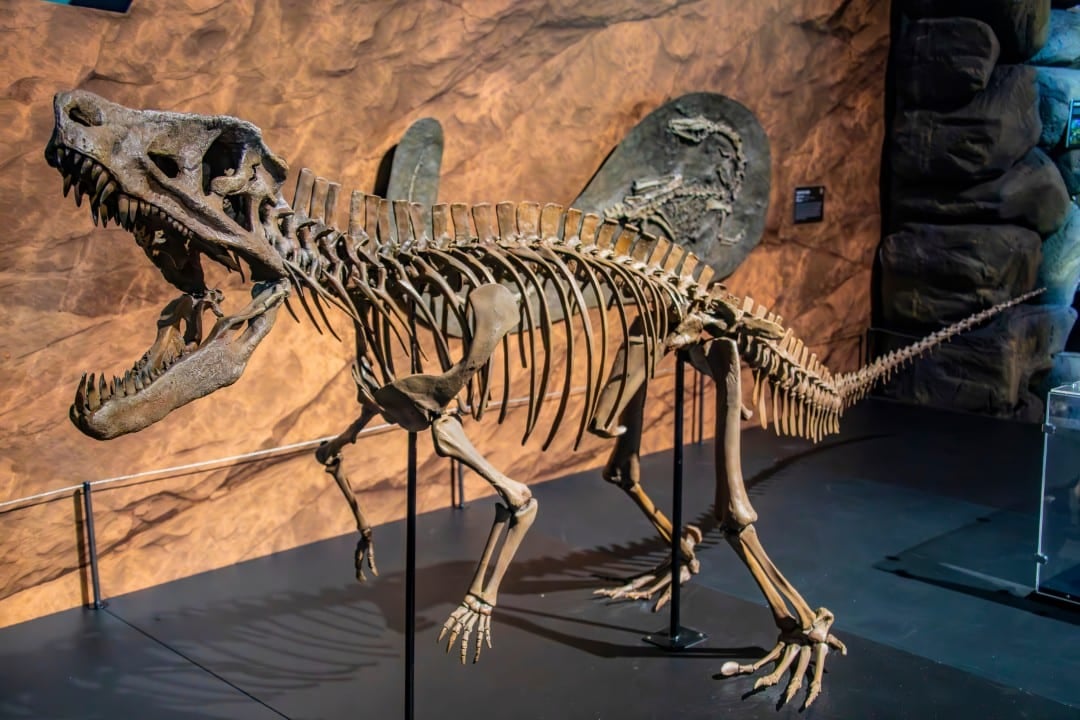
The examination indicates that Troodon formosus experienced marked modifications in bone texture, structure, and proportional dimensions across its lifespan. Adult specimens showed a noticeably greater femur-to-tibia length ratio compared to younger individuals. Skeletal maturation occurred in uniform intervals regardless of local ecological conditions. The data also reveal considerable size variation among fully grown adults, alongside recurring evidence of foot pathologies.
Proposal seeks to establish replacement type specimen for species
The authors advocate assigning the collected juvenile and adult pelvic and limb fossils as the primary type specimen for Troodon formosus. This designation would replace an isolated tooth that served as the defining physical reference for decades, stabilizing the taxonomic validity of the genus Troodon. Any formal modification to the designation remains subject to official approval by the International Commission of Zoological Nomenclature.
Future studies may examine their gait.
The authors stated that the investigation tracked the skeletal architecture using a substantial sample ranging from embryonic to fully developed stages. They noted that the material provides an unprecedented opportunity to understand the animal and will serve as an enduring resource for paleontologists.





