New Clearview AI prototype expands facial recognition tool By Bruna
6 min read
 |
Clearview AI engineered an experimental software system designed to expand basic facial recognition into automated intelligence operations tracking personal histories, online activity, and social connections.
Engineers built the prototype under the name InquiryIQ to browse webpages, examine web text, and conduct automated image lookups. The software executes facial recognition scans directly across pictures identified during navigation.
Following an initial search by police investigators, InquiryIQ assembles what company records term a “Candidate Graph” that links associates, employment records, known aliases, residential addresses, contact numbers, arrest logs, and social accounts into a single dossier.
Clearview confirmed that InquiryIQ remains an internal test prototype that staff members never presented or sold to commercial buyers or law enforcement agencies. Officials from the firm stated that they hold no immediate intentions to distribute the program in its present form.
Records of federal procurement, registered patents, and commercial products show that the experimental tool directly mirrors the technical trajectory pursued by the firm over several years.
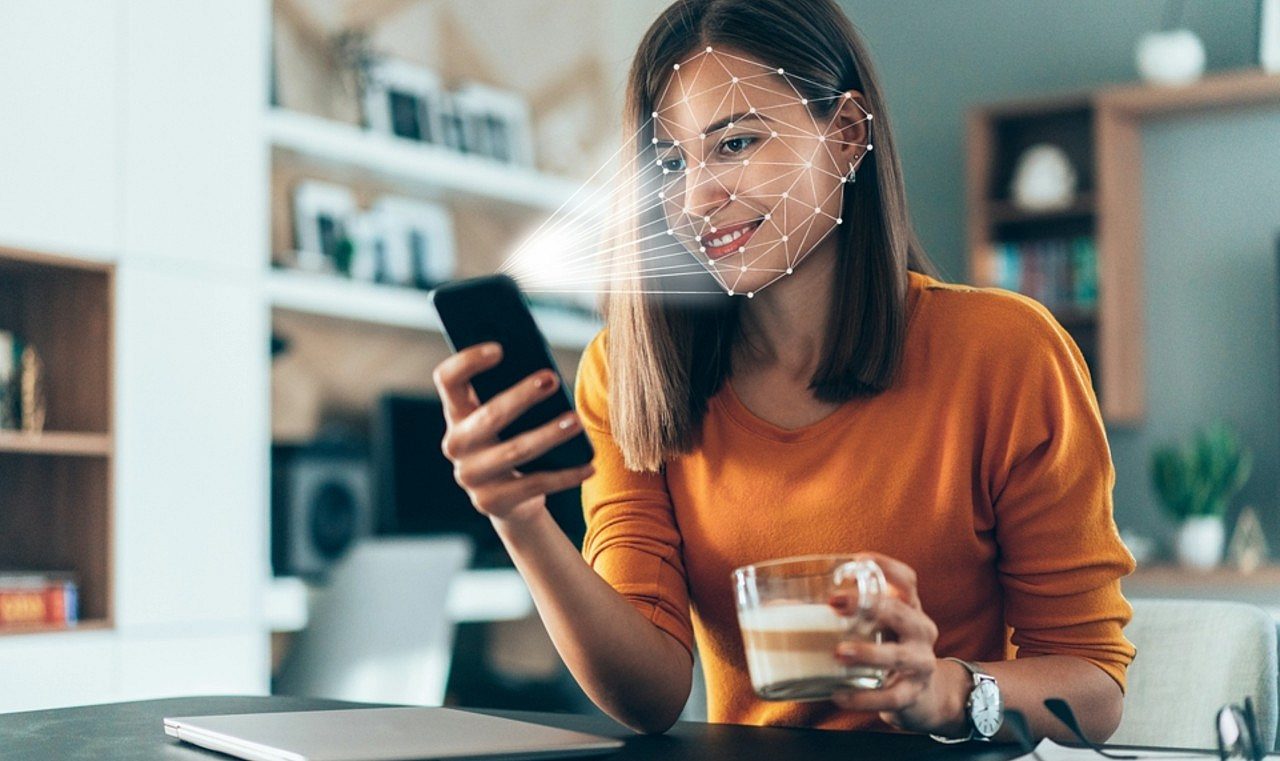
The company shifted its business model beyond the single identification of an unknown suspect in recent developments. Clearview now markets the human face as an entry gate to catalog relationships and build broader intelligence around a targeted person.
This operational pivot contrasts sharply with public statements issued by Clearview four years ago.
Clearview stated in April 2022 that its application delivered neither identity details, residential addresses, nor birth dates directly to detectives. The software returned only image matches paired with external hyperlinks to open websites where the photographs originally surfaced.
“It is up to the investigator to follow those links and do more research,” the company said.
InquiryIQ replaces manual investigation by operating as an automated research tool. The program collects online data and structures findings directly for human operators instead of requiring personnel to comb external domains manually.
Clearview pursued this concept earlier.
Clearview submitted a patent filing in August 2020 that traced its priority to an August 2019 provisional application before gaining approval in February 2022. The granted document details an automated web scraper gathering human facial photographs alongside linked personal records across public internet servers.
Upon finding an image match, the platform extracts indexed personal dossiers containing telephone numbers, full legal names, physical addresses, digital mail accounts, and direct links to employer directories or social networks.
The patent outlines commercial applications labeled “face-based background checks” and “correlative face search.” The filing describes a mechanism allowing government agents to quickly assemble biographical records backed by media articles, open social pages, and corporate listings.
The system also outlines methods to register auxiliary faces captured within a photograph and establish interpersonal connections between individuals sharing the same frame.
That patent framework remains more limited than the expansive Candidate Graph deployed by InquiryIQ during network mapping operations. The technical record demonstrates that Clearview envisioned moving from basic visual identification to relational profiling from its inception.
Federal procurement documents expose the operational significance of these network intelligence tools.
Customs and Border Protection, known as CBP, issued a Statement of Work in February 2026 seeking 15 Clearview licenses. The contract designated the software for U.S. Border Patrol intelligence personnel stationed at the National Targeting Center.
CBP stated that targeting squads use commercial software on open data sources during “targeting, vetting, and network development and analysis workflows” aimed at neutralizing national security threats across the United States.
The official filing noted that Clearview products would boost operational vetting and targeting procedures. The platform supports what the document defines as “strategic counter-network analysis.”
Government procurement logs provide no confirmation that CBP received access to InquiryIQ or the associated Candidate Graph system.
Contract files show that CBP planned to embed Clearview inside a Border Patrol intelligence unit tasked with mapping criminal organizations. Federal personnel expected the facial identification database to assist directly with “strategic counter-network analysis.”
Promotional material distributed by Clearview confirms that the company markets human faces as foundational markers for intelligence collection.
The vendor tells national defense clients that standard tracking operations historically relied on identifiers like telephone numbers, social handles, and email addresses. Clearview now presents biometric facial records as a substitute for those conventional indicators.
“With Clearview AI’s tools, a person’s face is the selector,” the company says on its national security and defense page.
Marketing brochures advise security forces that the database allows counterterrorism analysts to monitor online activity and track open source intelligence. Clearview claims that compiling open web images establishes an “instant framework of context” around target subjects.
That promotional pitch diverges substantially from statements where Clearview framed its database as a post-crime tool rather than an active surveillance engine.
Corporate guidelines describe the system as an image search engine indexing over 70 billion publicly available photographs. The protocol requires human operators to verify matches and restricts law enforcement searches to explicit criminal cases or legitimate legal inquiries.
Clearview operates an ongoing alert mechanism inside its existing product portfolio.
The Clearview 2.0 platform lets detectives store specific facial queries to trigger automatic notifications whenever fresh matches appear. The interface allows law enforcement teams to catalog multiple inquiries, review search logs, and manage open case files.
Public records show no direct connection between InquiryIQ and the automated alert system inside Clearview 2.0.
Combining facial monitoring alerts with automated internet sweeps would convert human faces into permanent intelligence targets. The resulting personal profiles and relationship graphs would shift dynamically as Clearview scans newly published online material.
The emergence of InquiryIQ creates significant hurdles for internal oversight mechanisms established by Clearview.
The company maintains that it catalogs every search event, logging user identities, investigative purposes, and submitted images. Internal guidelines affirm that human analysts review matches and that system records remain accessible to judges and oversight bodies.
An automated agent that navigates web domains, triggers secondary image searches, and maps human associations lengthens the investigative chain considerably.
A complete audit of this workflow requires oversight authorities to trace not merely the initial probe image, but every external web domain explored by the algorithm, all secondary facial profiles checked against the database, and every prospective lead or relationship discarded before generating the final report. Legal scrutiny demands access to the entire decision pipeline.
These audit trails carry critical weight in criminal trials where defense attorneys examine how police built probable cause or tied suspects to wider networks.
The software interface of InquiryIQ explicitly warns that automated extractions of criminal histories, demographic records, and social handles may contain errors. Detectives who accept the generated data must confirm that they independently verified each detail before logging evidence.
The requirement places final accountability on human detectives, though only after algorithmic systems have organized the associations and backgrounds presented for official review.
This automated screening marks a fundamental shift from the division of labor established by Clearview in 2022. The company previously supplied raw image matches and website links, requiring human detectives to carry out all subsequent investigative work.