
Covitel records a 90% surge in obesity among youth in Brazil

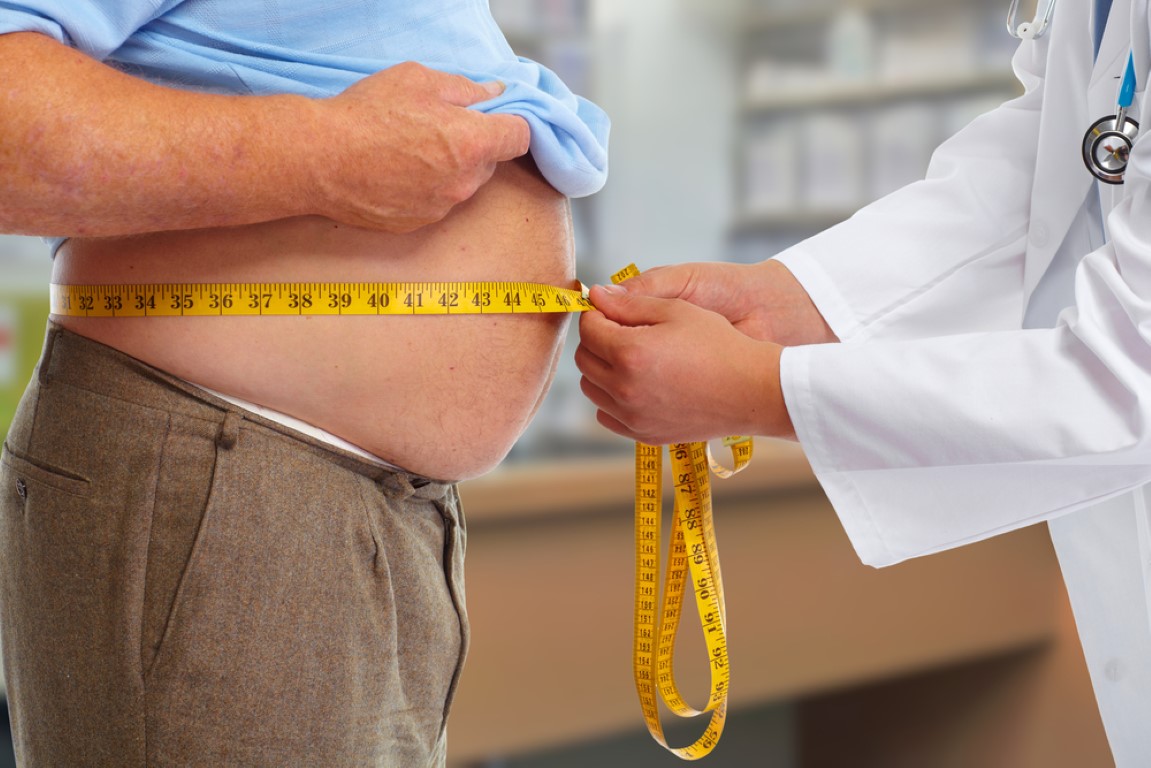
The Covitel 2023 survey recorded a 90% increase in obesity rates among Brazilian citizens aged 18 to 24 in a nationwide monitoring of chronic illness risk factors. Health authorities tracked this demographic shift across multiple regions, identifying rapid changes in metabolic conditions. Young adults in this age bracket face the steepest rise in weight gain documented by the research initiative.
Unbalanced nutrition and declining physical activity represent the core drivers behind the upward curve. Anxiety and excessive alcohol intake also compound the health risks, while ultra-processed food items, industrial sodas and sweetened juices dominate daily consumption patterns.
Fresh produce remains largely absent from daily meals among these young adults. Only 33.5% of individuals aged 18 to 24 eat fruit five or more times each week. Meanwhile, regular vegetable intake reaches just 39.2% of the group across the same weekly period. Nutritionists link these deficits directly to rising clinical complications.
Sedentary routines and poor sleep patterns worsen health indicators
Screen exposure remains high. While physical exercise drops, 76.1% of these young Brazilians spend three or more hours daily watching television, playing video games or browsing mobile phones and tablets during leisure time.
Rest cycles reflect similar deficits, as only 54.2% of individuals in the age cohort sleep the recommended number of nightly hours. Chronic sleep deprivation elevates vulnerability to severe clinical conditions, including arterial hypertension and depressive disorders. Disrupted circadian rhythms place prolonged strain on the cardiovascular system.
Preventive strategies focus on early family habits
Interventions against excessive weight gain yield stronger results when households introduce balanced routines during early childhood. Parents and guardians establish lasting nutritional baselines by providing balanced lunches, supporting daily physical games and offering basic dietary instruction at home.
Health professionals outline specific measures for guardians seeking to curb adolescent weight issues within domestic environments. Families should adopt unified changes rather than isolating children who carry extra weight, ensuring sustainable adjustments across the entire household. Daily domestic practices create the primary foundation for long-term health management.
- Model encouraging attitudes toward physical activity and nourishment without focusing conversations on body scale figures.
- Integrate the whole family into active routines and gradual dietary modifications instead of singling out individuals.
- Organize fixed schedules for meals and snacks, gathering family members at the dinner table with diverse whole foods.
- Eliminate the habit of eating food while watching television screens or using portable electronic devices.
- Reduce grocery purchases of items loaded with industrial calories and lacking essential vitamins.
Early adoption of these measures reduces the probability of severe weight struggles during the transition into young adulthood. Consistent parental guidance helps prevent metabolic dysfunction before adolescents leave home.
Lifestyle adjustments and medical procedures address adolescent cases
Adolescents already diagnosed with obesity require immediate lifestyle restructuring centered on progressive dietary changes and consistent movement. Engaging in sports such as swimming, strength training or brisk walking offers an accessible starting point for teenagers. Sustained treatment relies on selecting physical routines that provide personal satisfaction rather than rigid enforcement. Daily workouts gradually rebuild metabolic endurance across several months.
Dietary rehabilitation begins with the gradual elimination of high-sugar soft drinks, followed by the systematic removal of heavily processed packaged snacks in favor of nutrient-dense meals prepared under the direct supervision of registered clinical nutritionists. This phased transition helps adolescents establish manageable eating behaviors without triggering acute resistance or relapse.
Clinical interventions expand to temporary mechanical procedures when patients present severe obesity levels. Doctors utilize the placement of an intragastric balloon as a reversible method to accelerate weight loss and protect against rapid metabolic decline. This specific device remains inside the stomach temporarily to mitigate risks associated with diabetes and chronic hypertension.





