
Inmet records Moon reaching 2% visibility in September 2026
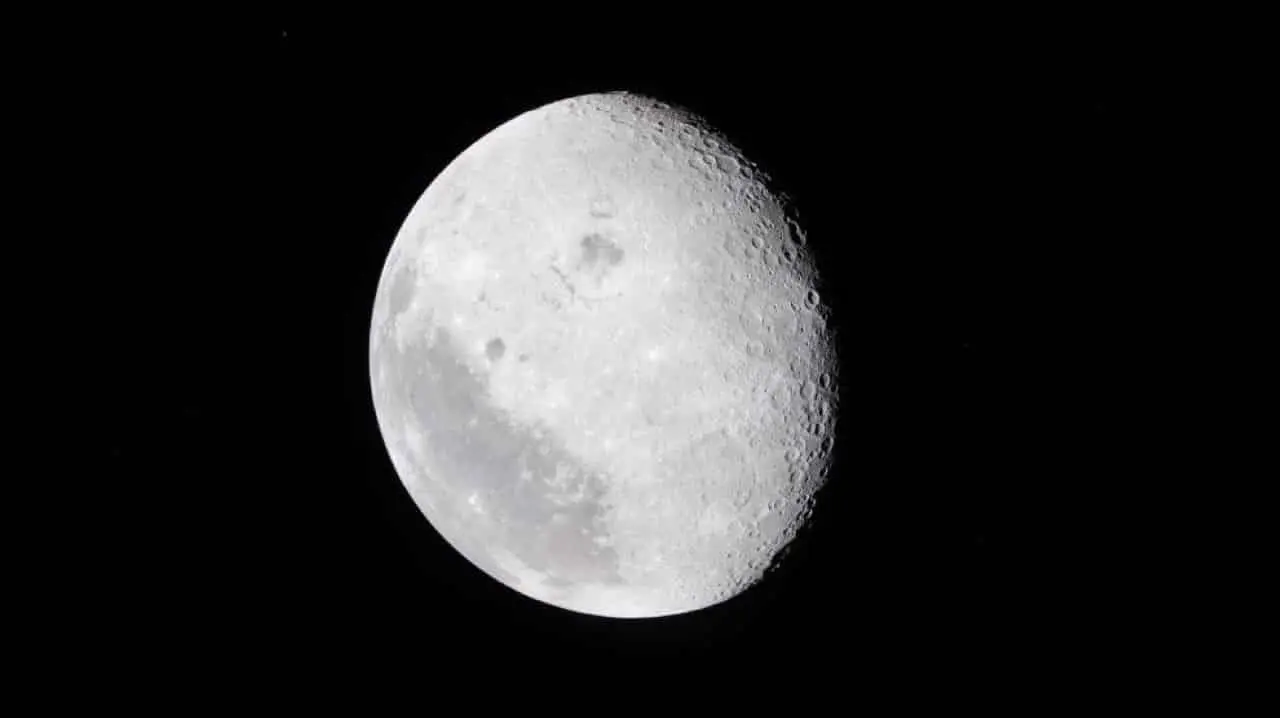
The Moon reached 2% visibility across skies in Brazil on September 11, 2026, during its waning cycle according to technical calculations by Instituto Nacional de Meteorologia. This minimal illuminated fraction signals an imminent change in the celestial progression observed over the country.
The satellite commenced its waning phase on September 4, 2026, at 04:52 local Brasília time. Skies darkened progressively across South America following that morning milestone. Calculations confirmed the shift.
Calendar determines lunar progression across Brazil in September 2026
Astronomical records compiled by Instituto Nacional de Meteorologia outline each lunar development scheduled throughout the ninth month of 2026. The next New Moon arrives on September 11, 2026, at 00:27, before the First Quarter emerges at 17:44 on September 18, 2026.
Learn more: Moon today: Crescent phase inspires new projects and new beginnings this Monday (27)
The Full Moon reaches peak illumination at 13:50 on September 26, 2026, to conclude the scheduled phase changes calculated for the monthly window. Official astronomical ephemerides establish every scheduled transition hour across Brazilian territory. Observers track these timelines closely.
- Waning Moon: September 4, 2026, at 04:52
- New Moon: September 11, 2026, at 00:27
- First Quarter: September 18, 2026, at 17:44
- Full Moon: September 26, 2026, at 13:50
Every phase spans approximately seven days on the calendar. This rhythm governs monthly cycles.
Sun and Earth positioning governs variations in satellite illumination
A lunation denotes the overall elapsed interval between two consecutive new moons, lasting an average of 29.5 days with slight mechanical variations along the orbital trajectory calculated by Instituto Nacional de Meteorologia as the natural satellite completes four primary arrangements relative to both the Earth and the Sun while surface brightness drops steadily. Light decreases continuously during this journey. The system rotates smoothly.
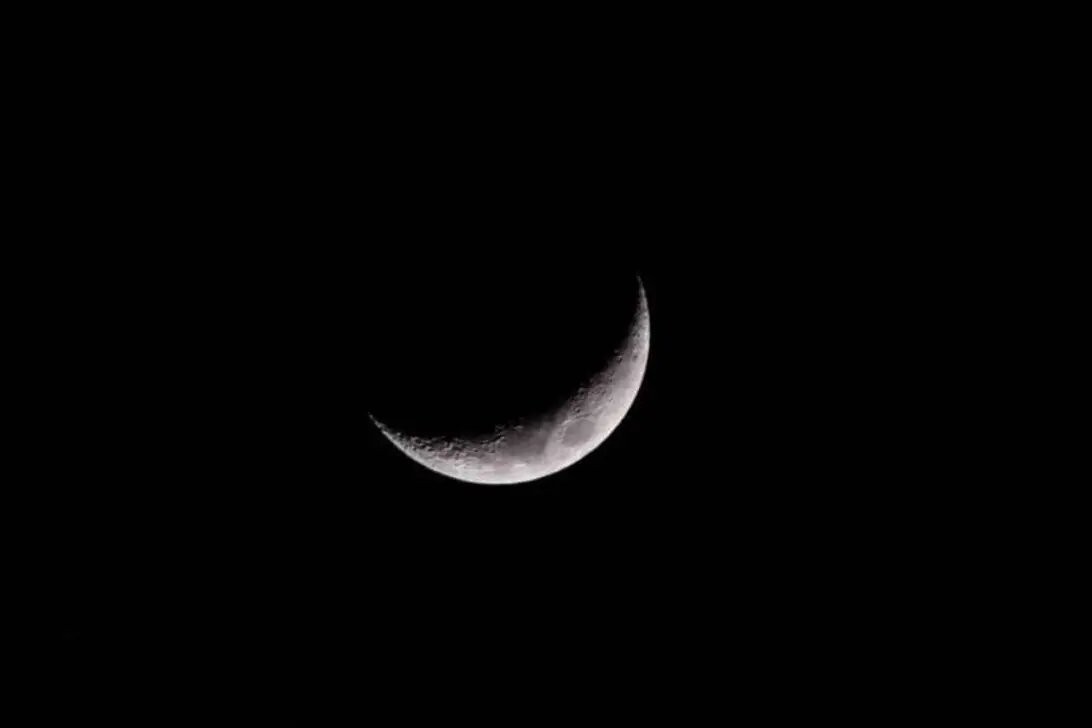
During the New Moon stage, the celestial body sits directly between the Earth and the Sun, aiming its illuminated half exclusively toward the star while keeping its dark side turned toward observers on our planet. This precise alignment prevents visual observation in the night sky.
Intermediate stages separate four primary milestones in space
The lunar journey running between the new and full phases contains distinct intermediate stages designated as the waxing crescent and waxing gibbous. When illumination reaches half of the visible surface facing the Earth, astronomy designates this milestone as the First Quarter. That balanced shape comes before the brightest night of the month.
On the same topic: Moon enters waning phase in May and marks astronomical cycle of 2026
The Third Quarter happens when only fifty percent of the lunar disc stays visible to watchers on Earth. That balance precedes final darkening.
Luminosity drops toward upcoming astronomical transition
The Full Moon occurs when Earth positions itself straight between the Sun and the Moon, allowing the lunar hemisphere facing our globe to capture full solar illumination. During that stage, the bright sphere ascends along the horizon at the exact moment the Sun sets in the west. Sunlight strikes the crust directly.
Shrinking light drives the movement across the waning gibbous and third quarter stages right until the New Moon arrives on September 11, 2026. That minute starts another sequence.
More news in Latest News (EN)
See more → 3I/ATLAS data reveals interstellar comet path in September
 NASA drops Swift rescue after LINK probe stalls 15 km away
 Tottenham battles Everton in round 4 of the Premier League
 Liverpool starts Alexander Isak against Fulham in Premier League
 Chelsea faces Hull City at Stamford Bridge in round 4 clash
 T-Mobile slashes $1,200 off iPhone 18 Pro in US pre-orders
 PlayStation cuts digital game prices by up to 92% in September
 Gary Myers passes away at 76 leaving historic NASCAR legacyFrench winemakers permitted to temporarily elevate champagne alcohol levels due to historic heatMokha’s strategic Red Sea position makes historic coffee port a critical target in Yemen’s war
 GTA 6 leaks expose files from 5 upcoming video game titles
More news on Mix Vale
- 1King Charles III former girlfriend Davina Morley dies at 75
- 2Sony reaches 95.3 million PS5 units ahead of Microsoft Xbox
- 3Epic Games Store releases two free PC games until September 17
- 4Democrats eye Senate majority in 2026 midterms, but hurdles remain despite favorable early polling
- 5Security apprehends field invader with Palestinian flag during Yankees’ 9/11 commemorative win
- 6Lady Gaga and Michael Polansky reportedly welcome their first child, marking a new chapter for the star
- 7Lil Durk cleared of murder-for-hire charges in LA ambush case, faces new trial
- 8South African artists face concert cancellations as anti-immigrant backlash intensifies globally
- 9NYC Council advances legislation to curb press pass misuse by non-journalists in high-profile cases
- 10Author William P. Young highlights Erika Kirk’s profound act of forgiveness in new book ‘Return to the Shack’