
Lunar analysis advances as NASA and IBM release AI model

NASA accumulated unprecedented volumes of lunar observations across multiple spaceflight programs, with records from the Lunar Reconnaissance Orbiter surpassing information gathered by every other planetary mission run by the space agency combined. Lunar research continues expanding.
Evaluating this massive volume of information requires extensive processing capacity, prompting NASA and IBM to build an artificial intelligence system that the agency officially announced on September 10 to accelerate detailed lunar evaluations. The open-source NASA-IBM Lunar Foundation Model operates without licensing fees on Hugging Face for external scientists. It is open source.
More on this story: NASA and IBM deploy open lunar AI model for space exploration
“NASA has spent decades building an extraordinary scientific record of the moon, but collecting data is only part of the job,” said NASA chief science data officer and acting chief data and AI officer Kevin Murphy during the presentation of the project.
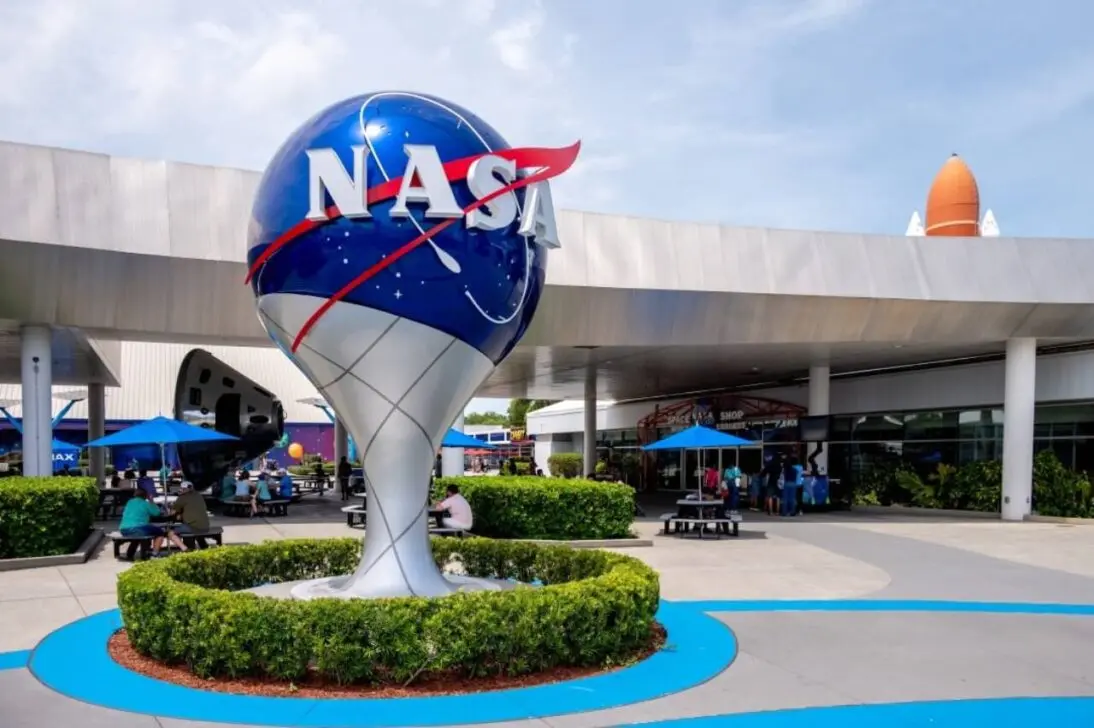
Scientists use the system to identify impact craters, locate youthful volcanic structures, and map potential water ice deposits scattered across the lunar poles. NASA confirmed these primary applications.
Murphy stated that researchers must gain simpler pathways to analyze complex observational files. NASA and IBM previously partnered on specialized computing systems that examine Earth observation and heliophysics. Both entities plan further joint scientific deployments.
Learn more: IBM and OpenAI form an alliance to bring AI to large companies
Space agencies and commercial spaceflight firms globally incorporate machine learning software to reduce operational budgets, increase productivity, and simplify analytical workloads across planetary research. Modern planetary research adopted automated workflows rapidly.
“The NASA-IBM Lunar Foundation Model shows what’s possible when we bring AI to NASA’s petabytes of scientific data,” Murphy said, adding that “that’s a real opportunity we see with AI: turning large-scale data into new discoveries.”
Engineers trained the computational architecture primarily using historical files generated by the Lunar Reconnaissance Orbiter mission. The spacecraft spent 17 years assembling high-definition photographic coverage spanning almost the entirety of the moon.
More news in Latest News (EN)
See more → Band of Brothers returns with a 25th anniversary special
 Seller lists Zelda Nintendo Switch 2 photo for $400 onlineDrone strike forces Saudi pipeline shutdown, impacting key alternative to Persian Gulf shipping routes
 Vampire Bloodlines 2 gets two-hour trial on PlayStation Plus
 Rockstar Games faces backlash over leaked GTA 6 special box
 Ranching mod turns Red Dead Redemption 2 into a farm sim
 Ciri will lead The Witcher 4 alongside 11 key returning allies
 Developer Ray Ervian reveals Beneath the Dying Sun project
 Borderlands 4 player count quadruples on Steam with new DLCWelterweight clash: Benn and Garcia prepare for September 12 bout as bet365 unveils special offerFormer Windsor mayor ordered to pay $13 million in damages after being found liable for sexual assaults of seven women
More news on Mix Vale
- 1New York governor’s pardon of convicted felon derails Supreme Court immigration bond rights battle
- 2New Hogwarts Legacy mod opens Diagon Alley for PC players
- 3Alleged Black Axe members extradited from South Africa to US in major $6 million romance fraud crackdown
- 4Tehran expands control over critical oil shipping routes, bolstering regional diplomatic power
- 5Sami Zayn reclaims undisputed WWE championship in a dramatic and controversial SmackDown main event
- 6Frequent nighttime urination: When waking up multiple times signals deeper health concerns
- 7Kansas quarterback Isaiah Marshall delivers stunning, potentially season-defining throw amidst heated rivalry clash
- 8Lady Gaga and Michael Polansky announce birth of first child
- 9Hull City holds Chelsea to 2-2 draw as João Pedro scores
- 10Redmi 17 5G arrives with 7,500 mAh cell at $249 global price