
Apple launches iPhone Duo foldable against Android rivals

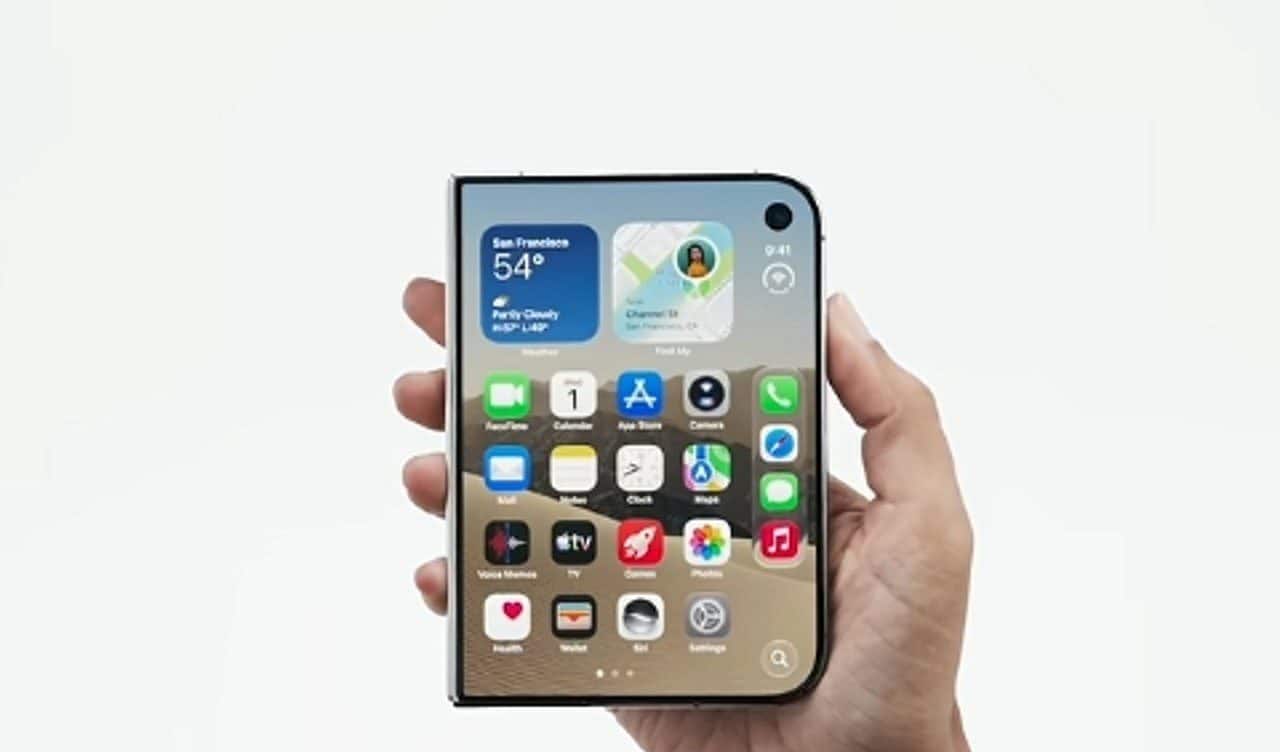
Apple officially entered the folding smartphone sector with the announcement of the iPhone Duo on September 13, 2026, bringing direct competition to established hardware options across global markets. The arrival of the device establishes an immediate rivalry against mature folding platforms, entering a category where Android manufacturers built a multi-year head start with multiple product generations.
Design choices and matte display features
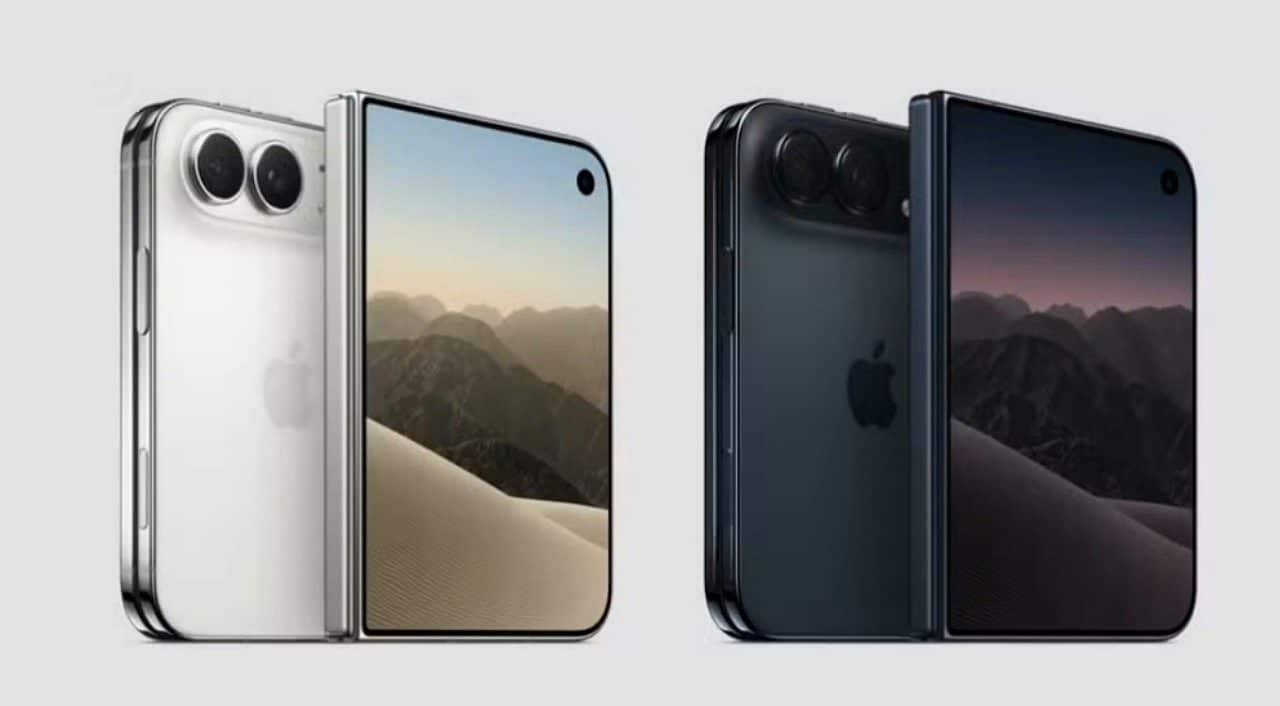
The external dimensions of the iPhone Duo establish a heavier and thicker physical footprint than competing folding flagships currently circulating in retail channels. Although the matte finish on the main folding panel significantly reduces the visual reflection of the center crease when compared to traditional panels, the presence of a glossy circular cutout over the under-display front camera interrupts the overall visual surface. The structural aspect ratio aligns with form factor trends adopted by models such as the Galaxy Z Fold 8 and the Oppo Find N6.
The crease remains minimal.
Initial customer pricing places the iPhone Duo beneath the launch costs associated with Samsung top folding lines. In commercial retail channels, the competing Galaxy Z Fold 8 entered promotional cycles at $1,599 accompanied by bundled smart accessories such as the Galaxy Watch.
Interface adjustments and split-screen mechanics
On the software side, Apple adapted iOS to handle dual-window multitasking by treating the two halves of the internal folding panel as independent workspaces. Users can interact with one active application and return directly to the home screen grid to pick a second program without disrupting ongoing tasks. Floating video windows sit across active applications to provide continuous playback during daily multitasking routines.
A new system animation triggers whenever users open or shut the dual screens.
Interface designers relocated application navigation buttons and standard status bar indicators away from traditional top and bottom screen margins directly onto the side edge. This lateral interface placement preserves vertical viewing real estate on wider internal aspect ratios, creating a distinct hand-placement orientation that directly impacts left-handed device operation.
Hardware landscape across competing manufacturers
The commercial arrival of the iPhone Duo coincided with several competitive shifts across other mobile manufacturers operating within folding hardware segments. Multiple international brands pushed new product releases and hardware announcements to maintain consumer market share across retail distribution pipelines.
- Motorola published an official preview of a wide Razr Fold model designated as an immediate response to Apple hardware entries.
- Xiaomi opened commercial sales for the Xiaomi 18 Fold alongside published specification sheets directly matching the Galaxy Z Fold 8.
- Google completely discontinued the Pixel Tablet line after retail inventory depleted across regional warehouse distribution points.
- Fairphone introduced the Fairphone 6+ modular handset for consumers prioritizing personal device repairability.
Industry suppliers face new production schedules.
Accessory manufacturers began realigning external case molds and peripheral equipment pipelines to accommodate the structural measurements of folding form factors. Wider screen proportions demand distinct casing tolerances that standard slab devices never required.
Parallel mobile and software ecosystem shifts
Google distributed multiple functional software rollouts alongside these hardware developments, delivering Gemini side panels across Workspace productivity programs with uniform features. The company also published a standalone desktop Gemini application built for Windows systems while simultaneously releasing the Daily Brief tool at no charge within United States territories. Additional Android updates delivered direct Keep Notes integration into the standard Google Messages client interface.
Apple deployed iOS 27 alongside new retail price structures affecting standard smartphones including the iPhone 17, the iPhone Air, and the iPhone 17e.
Official device updates also brought the early September update to the Pixel 11 lineup ahead of future platform quarterly releases. Production branches of Google Chrome transitioned over to a scheduled two-week release timetable beginning with version 153.





