
Jury convicts Duane Davis in 1996 murder of rapper Tupac Shakur

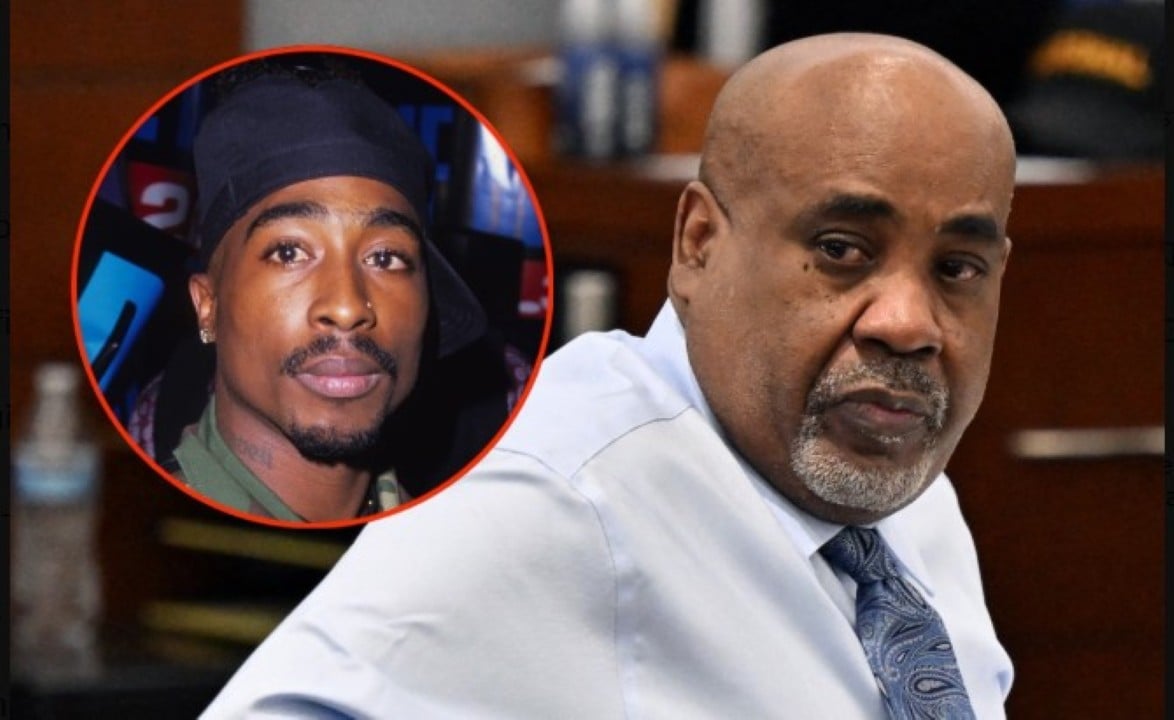
A Las Vegas jury convicted Duane Davis of first-degree murder on August 31, 2026, for orchestrating the fatal September 1996 drive-by shooting of rapper Tupac Shakur in Nevada. The verdict arrived exactly 30 years after the musician suffered fatal wounds on the Las Vegas Strip.
Tupac Shakur died on September 13, 1996, at age 25, six days after gunmen shot him in Las Vegas.
Three decades later, the criminal investigation finally yielded a formal conviction against an organizer of the attack. Fans across the United States followed the courtroom proceedings closely.
A Las Vegas jury evaluated evidence for roughly three hours before convicting Duane Davis of first-degree murder on August 31, 2026, finding that he orchestrated the fatal drive-by shooting that claimed the life of rapper Tupac Shakur three decades earlier. Prosecutors proved that Duane Davis directed the retaliatory ambush rather than firing the gun himself. The jury delivered its decision after short deliberations.
The historical weight of that Las Vegas court decision resonates across three decades.

Gunmen killed the 25-year-old artist in 1996, yet the homicide case occupied national headlines and courtrooms through 2026. Legal teams, witnesses and documentary crews gathered in Nevada to document the outcome.
The public in the United States never stopped examining the life and death of Tupac Shakur.
Tupac Shakur evolved beyond a deceased recording artist into an enduring symbol of American social debate. His legacy continues to provoke intense public discussions nationwide.
Tupac Shakur embodied deep contradictions that mirror American history. His songs confronted racism, urban poverty, policing tactics, incarceration and survival while highlighting his personal struggles. Listeners connected with both his militant anthems and his tender confessions.
Those complex artistic themes explain why listeners across America still focus on Tupac Shakur.
The core issues addressed in his 1990s tracks remain central to American society today. Systemic racism, police encounters and mass incarceration still generate widespread controversy.
None of those contentious social topics disappeared after the death of Tupac Shakur in 1996.
His creative work expanded far beyond the boundaries of hip-hop into major Hollywood film roles. Tupac Shakur starred in feature films including Juice, Poetic Justice, Above the Rim and Gridlock’d. His signature songs like “Dear Mama,” “Brenda’s Got a Baby” and “Changes” confronted poverty and law enforcement practices directly.
Organizers even brought a digital hologram of Tupac Shakur to the Coachella festival stage in 2012.
The 30-year milestone in 2026 prompted cultural scholars to evaluate his broader political impact. Historians look past standard biographical timelines to assess his relevance.
Six lingering questions explore how Tupac Shakur would view modern debates
Nobody can determine with certainty what a 55-year-old Tupac Shakur would advocate in 2026.
Historical analysis offers insight into evolving cultural values across the United States. Exploring these scenarios highlights ongoing shifts in public consciousness.
Many observers wonder whether Tupac Shakur would back a political figure like Donald Trump.
That political dilemma produces extensive disagreement among music historians. Tupac Shakur grew up alongside Black Panther activists and consistently criticized government institutions and economic neglect. No political strategist can assign contemporary party loyalty to a man who died in 1996.
The sharper inquiry asks what specific civil rights concessions Tupac Shakur would demand from any sitting president.
Analysts evaluate how a 55-year-old Tupac Shakur would react to modern racial violence and police shootings of Black Americans. His responses in the 1990s targeted institutional discrimination with fierce public resistance.
Commentators debate whether advancing age would temper the defiant public tone Tupac Shakur used during his twenties.
Scholars cannot provide definitive statements on his potential activism methods. The enduring relevance of Tupac Shakur stems from his ability to animate these ongoing racial debates.
Pop culture enthusiasts frequently speculate about who Tupac Shakur might have chosen as a spouse.
That question highlights modern public fascination with celebrity relationships and private lives. Observers wonder whether Tupac Shakur would have married within Hollywood or stepped away from the spotlight entirely.
Because gunmen killed him at 25, the public preserves Tupac Shakur strictly as a young man.
Cultural critics consider what commentary Tupac Shakur would have offered following the 2020 murder of George Floyd. Bystanders recorded the fatal police encounter on mobile devices as millions watched worldwide.
Tupac Shakur died years before social media platforms like YouTube, Instagram and TikTok emerged.
An artist who challenged police brutality throughout the 1990s would have faced viral video distribution of fatal encounters. His public response would have reached global audiences instantly through digital networks.
Citizens throughout the United States would have watched how Tupac Shakur responded to that crisis.
Musicians also contemplate how Tupac Shakur would assess the extreme hazards facing hip-hop stars in the 21st century. High-profile killings continue to plague young rap artists in major American cities.
A mature Tupac Shakur might have warned younger performers that maintaining street reputations leads to prison or death.
Experienced artists often advise newcomers to abandon past disputes after achieving financial success. Tupac Shakur navigated violent rivalries before his fatal shooting on the Las Vegas Strip in 1996.
Commentators also ponder whether Tupac Shakur would find common ground with conservative figures such as Charlie Kirk.
The greatest artistic milestone for a 55-year-old Tupac Shakur might have been living past young adulthood. Reaching older age represents a vital victory in a genre marked by early loss.
His cultural impact remained immense.
Biblical texts provide perspective on his rapid rise and sudden death in Las Vegas. Mark 8:36 questions what a man gains by acquiring the entire world while forfeiting his soul.
Tupac Shakur attained global stardom before losing his life at age 25.
Proverbs 18:21 states that death and life reside within the power of the tongue. Tupac Shakur demonstrated how influential speech could mobilize communities and confront authority across the United States.
The rapper understood the persuasive force of his public declarations throughout the 1990s.
Ecclesiastes 3:1 reminds readers that every purpose under heaven experiences an appointed season. Tupac Shakur lived a brief life that transformed global popular culture.
His creative season ended quickly in 1996.
His artistic presence endured across three decades of American music history. That longevity forms the foundation of modern discussions surrounding his work.
Tupac Shakur has remained deceased longer than the 25 years he walked the earth.
His 25 years produced three decades of feature films, college courses, fashion trends, books and murder investigations. The cultural resonance of his work extends into classrooms and courtrooms across the nation.
The conviction of Duane Davis on August 31, 2026, closed a major chapter in American legal history.
That verdict represented lasting legal accountability rather than mere nostalgia for 1990s rap music. Observers in Nevada followed every phase of the murder prosecution.
Listeners in the United States continue to dissect the legacy of Tupac Shakur because his life remains complex.
The persistence of his memory reflects ongoing national soul-searching across America. Citizens still debate the fundamental dilemmas of justice and inequality that framed his catalog.
American society continues to confront the deep social divisions that Tupac Shakur highlighted in his songs.
The 1996 world of Tupac Shakur struggled with urban poverty, gang warfare, aggressive policing and racial friction. Those identical structural hurdles challenge major metropolitan areas in 2026.
Three decades later, these social problems remain central to political discussions in the United States.
Cultural commentators no longer ask solely why the public remains fascinated by Tupac Shakur. The deeper inquiry centers on why American society still struggles with the same crises he highlighted in 1996.
A more difficult question faces American society 30 years later.
Critics question why topics addressed in 1990s songs like “Brenda’s Got a Baby” persist across modern cities. Tupac Shakur challenged government leaders to invest in neglected neighborhoods before his death in Las Vegas.
The lasting debate over his legacy extends far beyond courtroom proceedings in Nevada.
Listeners continue to debate whether Tupac Shakur would recognize current American institutions three decades after recording tracks like “Changes” in 1996. His recording catalog remains under discussion alongside his early music reflecting life in urban neighborhoods.





