
Alexandre de Moraes faces probe over 52 chats at Supreme Court

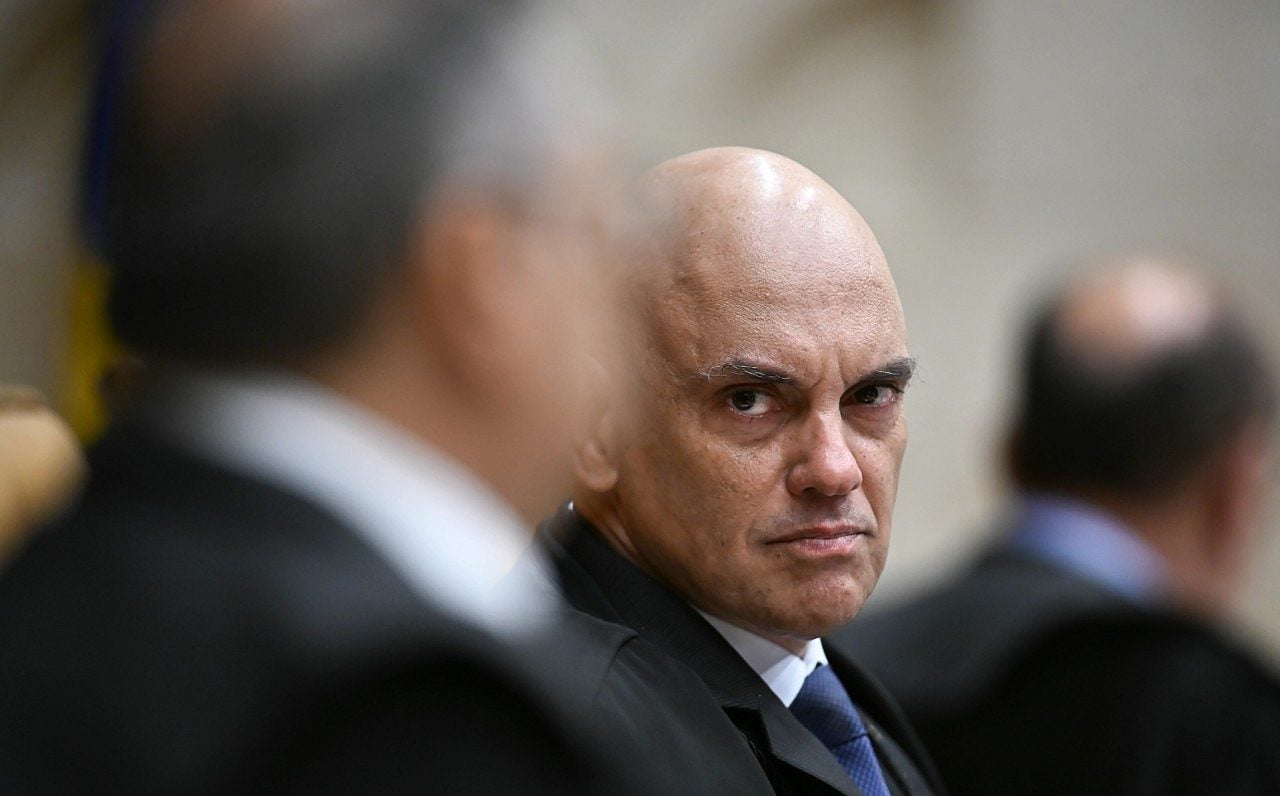
The plenary assembly of the Supremo Tribunal Federal opened a formal session in Brasília to decide whether to launch an official inquiry against Justice Alexandre de Moraes. Court members initiated the proceeding after a Federal Police report documented 52 text messages between the magistrate and former Banco Master executive Daniel Vorcaro during an investigation into the financial institution.
Federal Police dossier details direct communications with Banco Master executive
Federal Police investigators gathered records detailing direct conversations between the sitting justice and the former controlling shareholder of Banco Master as detectives examined the banking enterprise. This case marks the first instance in which the full bench gathers to determine whether to investigate one of its own active members. The justices must now assess how these recorded exchanges influenced judicial actions inside the institution.
Supreme Court justices convened for the proceedings inside the principal courtroom in Brasília. The capital city hosted the historic deliberation under exceptional legal scrutiny.
Justice Edson Fachin frames legal boundaries during initial case presentation
Court staff inaugurated the session under customary procedural rules by reading the official minutes of the previous judicial gathering. Reporting justice Edson Fachin then delivered a factual summary of the Federal Police findings, outlining the exact legal parameters that the assembled magistrates must evaluate in their vote. Fachin formulated this initial presentation to steer the legal reasoning of the remaining justices.
The court withheld confirmation regarding whether Alexandre de Moraes and André Mendonça will actively cast ballots or recuse themselves from the final decision. A formal declaration of recusal by either magistrate would immediately alter the voting quorum required to authorize or dismiss the proposed inquiry.
Security teams cordoned the perimeter. Federal security agents blocked vehicular traffic and pedestrian access across Praça dos Três Poderes and adjacent stretches along the Esplanada dos Ministérios. Police teams positioned walk-through metal detectors and X-ray screening belts at every access checkpoint of the main headquarters and the adjacent annex building. Defense attorneys, accredited journalists, and administrative employees submitted to thorough personal inspections before court guards authorized entry into interior corridors.
Administrative council enforces mobile phone seizures and strict courtroom decorum
To preserve order while evaluating the Federal Police petition concerning Alexandre de Moraes, court leadership instituted stringent security protocols requiring authorized visitors to power down every mobile device, insert each handset into official tamper-evident plastic pouches modeled on federal civil service exam envelopes, and surrender them prior to seating. Court marshals oversaw the distribution of numbered security envelopes across all public registration desks before allowing observers into the seating area.
- Prohibition of mobile devices inside the plenary chamber without an official plastic security seal.
- Refusal of entry to individuals lacking written credentials issued by the protocol office.
- Deployment of X-ray scanners and metal detection portals at entrances to the primary building and adjacent annex.
- Ban on all food items and beverages throughout the hearing room.
- Bar on verbal expressions, audible reactions, or visual protests by members of the gallery.
Only guests holding validated ceremonial passes cleared security screening into the main spectator gallery. Court bailiffs monitored the benches to silence audible demonstrations while magistrates read case summaries and individual ballots. Judicial officers restricted public movement across seating rows during the ongoing delivery of oral arguments.





