MicroG app triggers battery drain on Samsung Galaxy S25 FE
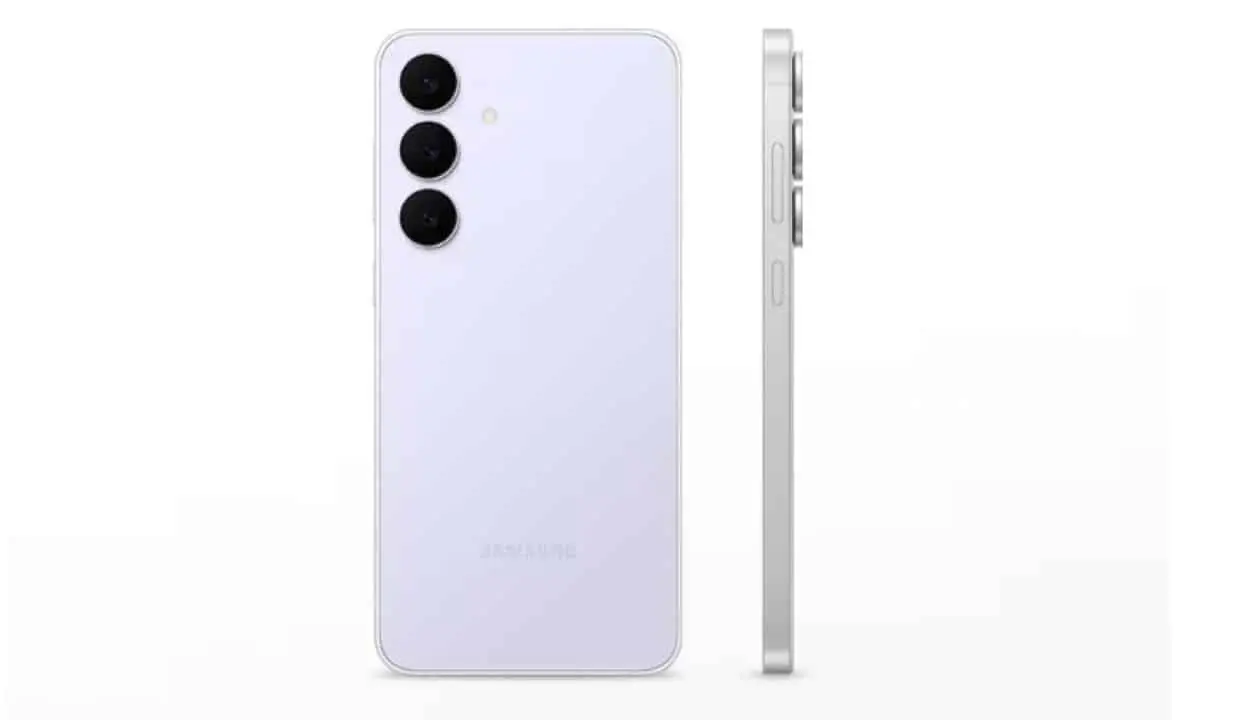
A Samsung Galaxy S25 FE smartphone overheated and discharged rapidly on September 14, 2026 ET due to background software interference. Device diagnostics confirmed an unexpected utility conflict.
- An owner of a Galaxy S25 FE initially linked the thermal rise to a One UI patch.
- Detailed inspection showed an internal WhatsApp process failing during routine operation.
- The messaging client experienced errors because two separate versions of Google Play Services ran on the operating system.
- A spoofing framework named MicroG caused the duplication while supporting modified video clients like ReVanced.
Consumers regularly attribute thermal spikes and performance drops to major firmware rollouts, yet a Galaxy S25 FE owner who connected extreme heat to One UI subsequently discovered an entirely unrelated source.
Reddit poster Jabbadava documented “severe battery drain” alongside “overheating” on a Galaxy S25 FE left in standby mode. That discussion cited One UI 9, suggesting that testing builds for Galaxy S25 hardware triggered performance degradation.
Technical inspection performed by the user demonstrated that a background process continuously woke WhatsApp from sleep. The chat application operated without user input for 14 hours within a single day, consuming more than 2 hours of processor time. Data extracted from the Android JobScheduler utility proved that contact synchronization failed repeatedly and restarted without interruption.
The owner identified the actual installed firmware as One UI 8.5 carrying an August security bulletin, directly contradicting the reference to One UI 9 in the submission header.
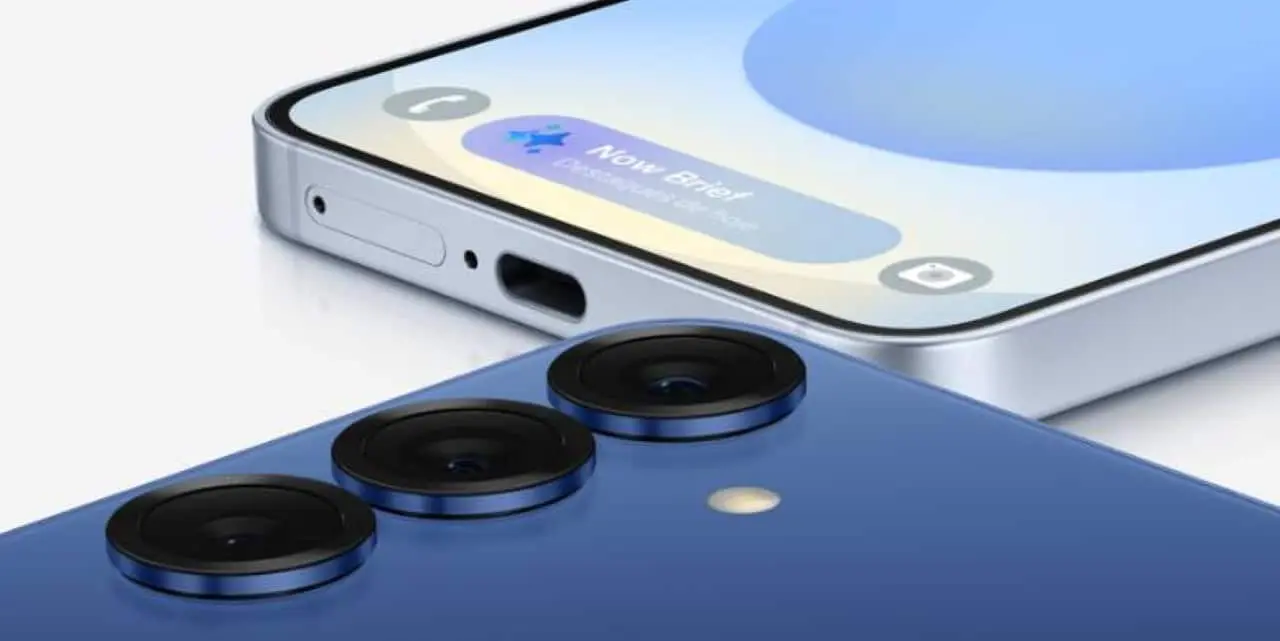
Neither WhatsApp nor the system interface generated the technical failure. The device ran MicroG to enable altered streaming apps, including ReVanced and Morphe for YouTube. Because this unofficial Google Play Services package operated simultaneously alongside the authentic system software, WhatsApp repeatedly misidentified the spoofed tool as legitimate and launched constant background connection queries that saturated the processor and rapidly depleted the battery charge. The sync loop persisted.
Restoring normal operation required removing MicroG, shutting down WhatsApp, and wiping cached application storage. This procedure halted the unauthorized background queries and returned hardware power consumption to standard levels.