Nintendo details 40 Zelda Ocarina of Time Switch 2 changes
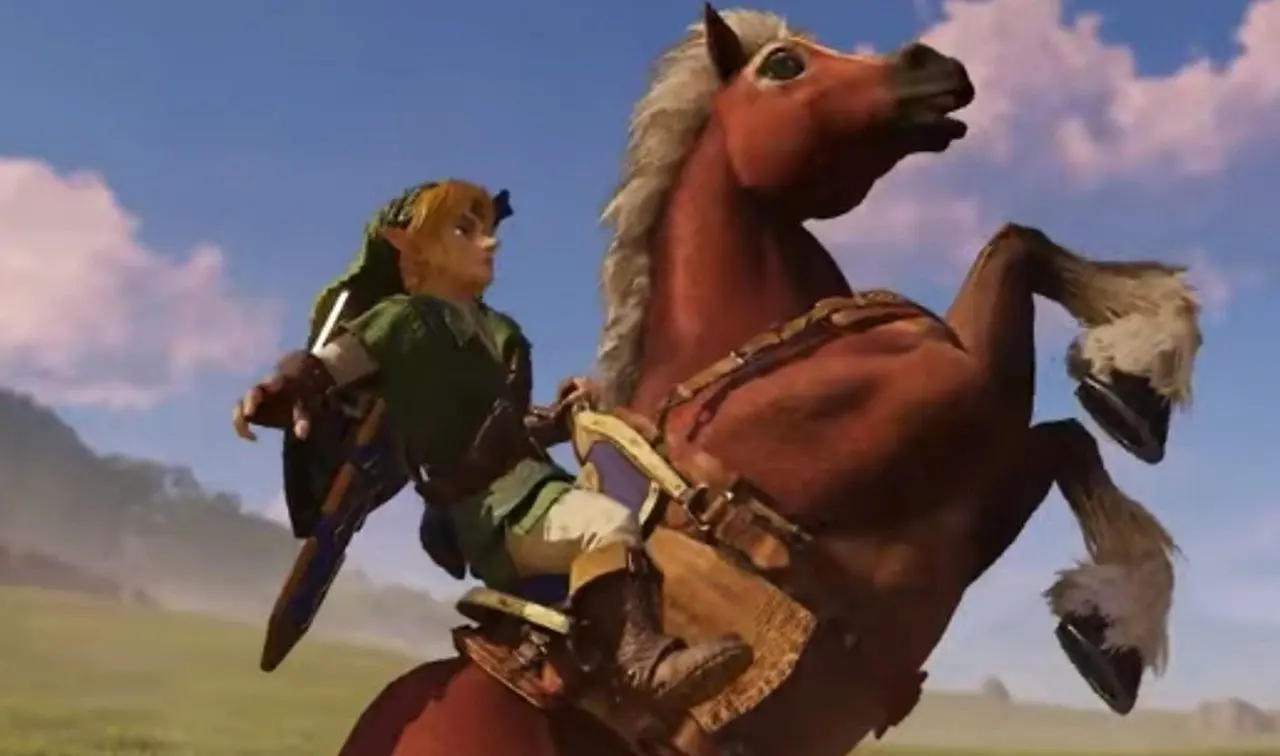
Nintendo presented 20 minutes of live gameplay for The Legend of Zelda: Ocarina of Time on Nintendo Switch 2 during a 40th anniversary special broadcast. Producer Eiji Aonuma demonstrated the updated title, which rebuilds the classic adventure while introducing 40 specific mechanical and visual adjustments. The Kyoto-based publisher scheduled the game for worldwide release on November 5, 2026.
Overhauled visuals and fluid character movement
The demonstration opened in Kokiri Forest, where three-dimensional flagstones, wooden stairs, dynamic foliage, and real-time lighting replace the flat environments of the Nintendo 64 version. Link wears a multi-layered green tunic with embroidered hem patterns, a decorative feather on his cap, and bead accessories.
Link controls full camera rotation.
Players adjust the viewpoint around Link with the right analog stick, improving navigation around Mido and complex platforming sequences. Movement also gains a dedicated jump mapped to the X button, ending the reliance on automatic leaps. Players can also transition from a forward roll into a sustained dash by holding the action button.
Expanded wallet capacity and seamless town exploration
Link dives to collect a blue rupee worth 5 units in Kokiri Forest, where the wallet displays a starting ceiling of 200 rupees instead of the original 99. Interior buildings in settlements now load seamlessly without black screens, although transitions between major outdoor territories still use short fade effects.
Producer Eiji Aonuma explained that the development team preserved the core dungeon layouts and geographic proportions of the original 1998 title while introducing modern dual-stick camera movement, revamped textures, and fluid character animations for modern hardware. Dialogue displays at a faster speed, and characters speak additional lines during interactions. Kokiri Forest and Castle Town feature real-time day and night cycles where citizens close shop doors at sunset and return to their residences. The exterior of the Kokiri shop now includes an adjoining doorway leading to an indoor backroom beside a wooden training dummy.
Refined dungeon mechanics and combat systems
Inside the Great Deku Tree, a collapsing wooden suspension bridge replaces the floating timed platforms in the room housing the fairy slingshot. Players can scale walls and vines rapidly by pressing the jump button without consuming stamina.
Link physically pushes heavy wooden doors open with both hands rather than triggering an automatic opening sequence. Wall-mounted stone winches release suspended ladders when struck with projectile weapons. Combat animation reflects swordplay techniques with fluid follow-through swings and defensive recovery.
Key interface and gameplay enhancements
- Horizontal quick-select menus let players swap active items without opening the full inventory screen.
- The pause menu displays item silhouettes on blank slots, keeping the Deku Stick in the upper-left grid position.
- Gyroscope aiming functions entirely in third-person view without forcing a switch to first-person perspective.
- Link retains handheld equipment while walking after releasing the targeting trigger.
- A directional shortcut system assigns the Ocarina to the left button, Navi to the right, and boots to vertical inputs.
- A segmented vertical gauge displays remaining underwater dive capacity near Link’s head.
- Green magic meters feature explicit notch markings that indicate the exact cost of spells and elemental arrows.
Water Temple pathways feature directional indicator lights along tunnel walls to guide players toward water-level switches. Players equip and remove the Iron Boots instantly with a single button press without pausing the action.
Audio updates and dedicated anniversary hardware
Full voice acting accompanies pivotal story sequences featuring Saria, Princess Ruto, Ganondorf, and Princess Zelda. Orchestral recordings with flutes, harpsichord, and strings replace the original synthesized MIDI soundtrack. Players input notes for Zelda’s Lullaby on the Switch 2 controller using the button sequence Y, X, A, Y, X, A.
The mobile Nintendo Switch app will offer a Zelda Notes companion feature with screenshot navigation help and a virtual ocarina. A commemorative stone monument stands on Hyrule Field near the Castle Town drawbridge.
A dedicated 40th anniversary Nintendo Switch 2 hardware bundle will hit retail shelves on October 29, 2026. The set includes a gold Triforce dock and custom Joy-Con 2 controllers, alongside standalone Pro Controller and carrying case accessories. New amiibo figures of young Link and Zelda unlock retro polygonal character masks in the campaign. Players can also play songs on the in-game ocarina by humming melodies into the console microphone.