
Fire Emblem Fortune’s Weave brings multiple story routes

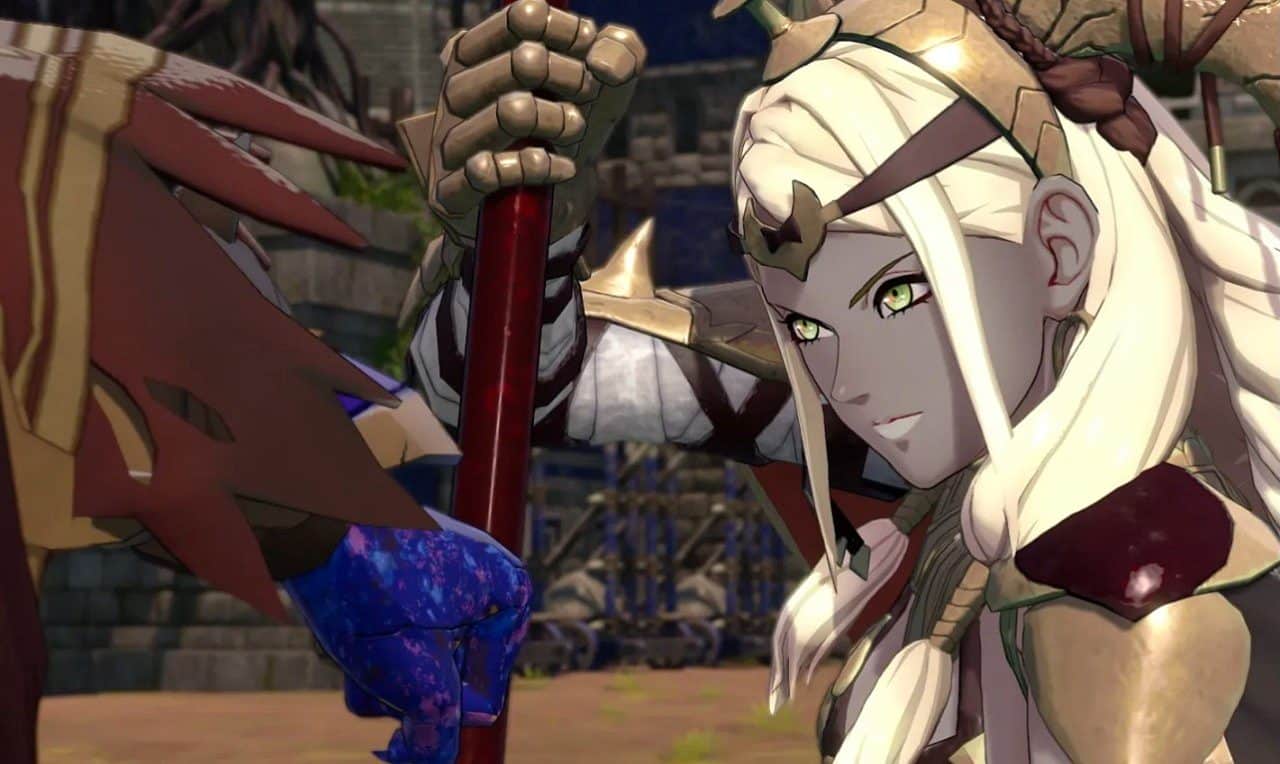
Nintendo launches Fire Emblem Fortune’s Weave on September 17 for the Nintendo Switch 2 platform. The release adapts the tactical role-playing franchise into an open structure with multiple narrative pathways.
The company previously introduced open progression models to the console through Mario Kart World and Donkey Kong Bananza.
Branching narrative spans four distinct warrior campaigns
The storyline opens with an introductory prologue establishing a quest to save the world from an evil demon lord. To fulfill that objective, commanders locate four missing heroes by finishing individual storylines divided across separate phases. Completed squads then advance alongside the primary protagonist into a third phase focused on fighting undead legions.
Players can switch between the four central champions and their plotlines at any point during active campaigns. Stat combinations from characters utilized across multiple routes merge into upgraded individual units for subsequent combat.
Tournament combat and tactical training inside Dagsion
Nintendo tuned every tactical encounter.
Part one requires chosen champions to enter a large tournament hosted in the city of Dagsion. Players explore the capital city of Dagsion to prepare equipment, recruit combatants, share meals with local residents to build social connections, and venture across regional environments to gather crafting materials before the countdown calendar triggers major story warfare. In contrast, part two eliminates civic preparation in favor of back-to-back military engagements.
The gameplay structure incorporates multiple preparatory and combat elements across the map:
- Turn-based grid battles where squad classes counter specific enemy units.
- City visits in Dagsion to share communal meals and train weapon proficiencies.
- Dungeon exploration featuring standard role-playing encounters with an automated battle option.
- Divine blessings that grant utility powers such as rewinding tactical errors during combat.
Simultaneous army command changes late map objectives
Part three changes map traversal by allowing players to deploy multiple squads simultaneously to separate quadrants.
Commanders split their forces to clear divergent objectives and manage experience distribution across large rosters. Certain battlefield goals shift beyond enemy elimination, requiring teams to capture escaping thieves while defending against flying creatures. Permadeath remains an optional toggle across standard difficulty modes in Fire Emblem.
Extended campaign demands over one hundred hours
Finishing all four hero arcs requires roughly 100 hours of playtime across the opening segments. A complete playthrough managing all factions and reaching the final sequence extends past 130 hours in total.
A social interaction system called bird time replaces the tea party mechanic from Fire Emblem: Three Houses, letting the protagonist observe and converse with allies while in avian form. Repetition surfaces during duplicate cutscenes and shared level layouts across the hero branches. The unified finale brings every trained squad together to conclude the campaign.
Automated combat settings let players bypass dungeon skirmishes to collect experience points without manual input on the Nintendo Switch 2 platform.





