Google funds carbon removal on 200,000 hectares in Brazil By Carolina Costa
3 min read
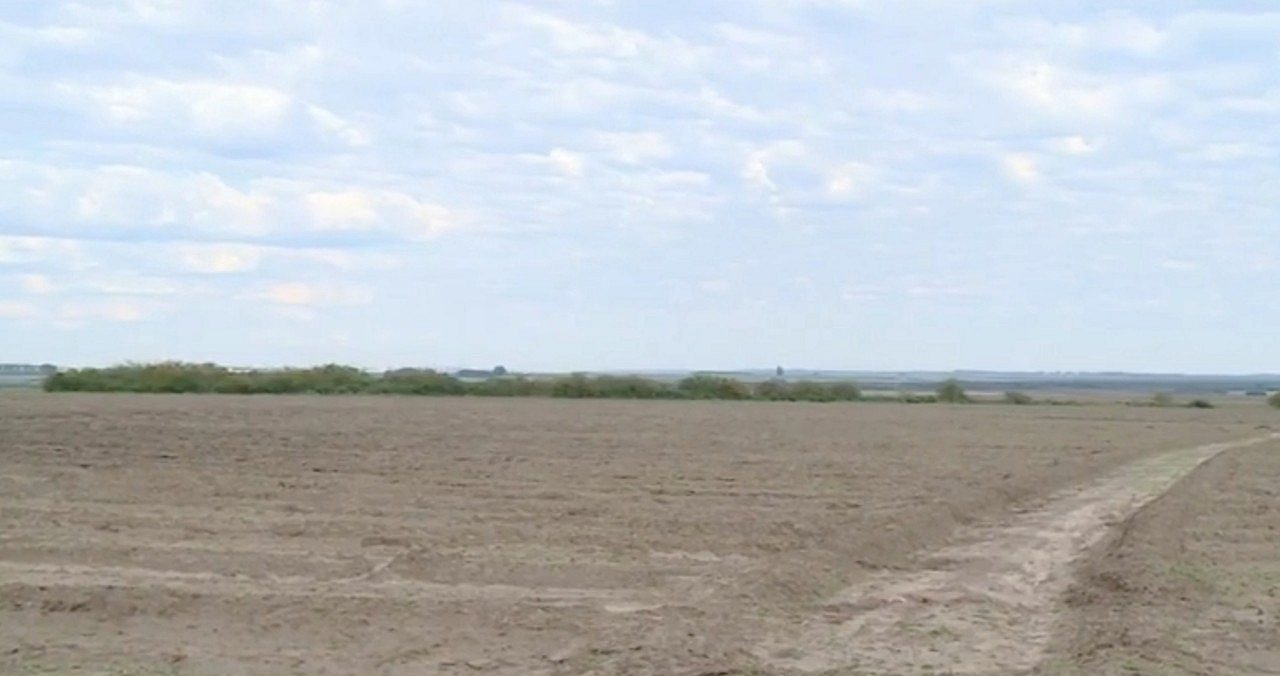 |
Google closed its largest carbon removal contract on September 16, 2026, to back an agricultural project covering more than 200,000 hectares of rice fields in Rio Grande do Sul.
The initiative, operated by startup Terradot, aims to curb methane from flooded acreage while extracting carbon dioxide directly from the air.
Dual approach tackles methane and atmospheric carbon
Terradot combines water management to decrease methane output with the application of specific rocks that bind atmospheric carbon dioxide directly onto agricultural soil.
The initiative projects generating verified credits corresponding to the reduction of 1 million metric tons of methane by 2030.
A separate target seeks to extract another 1 million tons of atmospheric carbon dioxide through rock weathering by 2040.
Both operations will measure, verify, and register the resulting credits under distinct environmental accounting systems.
Flooded crop fields generate massive global emissions
Flooded farming conditions stimulate soil microorganisms that generate large volumes of methane during crop growth cycles.
Data from the United Nations Environment Programme indicates that rice paddies produce between 10% and 12% of total planetary methane emissions.
- Methane reduction goal: 1 million metric tons by 2030 across southern Brazil.
- Carbon removal target: 1 million metric tons by 2040 using enhanced weathering.
- Potential domestic scale: 1.5 million hectares of total Brazilian rice cultivation.
Terradot plans international trials in 2026.
Crushed stone application accelerates natural carbon capture
The Rio Grande do Sul initiative represents the largest enhanced rock weathering deployment ever announced, featuring a carbon removal agreement ten times larger than any earlier contract signed for this specific category of atmospheric extraction technology.
Terradot and Google intend to test the approach at scale in Brazil before expanding into major global rice producers including India and Vietnam.
Commercial rollouts across international agricultural markets are scheduled to begin in 2028.
Artificial intelligence infrastructure drives rising energy consumption
Google bought an equity stake in Terradot in 2024 as part of broader efforts to counter the environmental footprint of expanding artificial intelligence data centers.
Company leaders view methane reduction and direct carbon removal as complementary mechanisms because methane causes rapid near-term warming while carbon dioxide persists in the atmosphere for centuries.
High verification expenses maintain elevated prices per ton
Google and Terradot withheld the transaction value for the Brazilian agreement.
A previous public contract signed by Terradot in 2024 to extract 90,000 tons of carbon established a benchmark price near US$ 300 per ton.
Project developers target a price of US$ 100 per ton to foster broader adoption across heavy industries.
James Kanoff, chief executive officer of Terradot, stated that the new project reduces costs compared to earlier contracts, moving the firm closer to that US$ 100 threshold.
Terradot reported that third-party verification procedures can add over US$ 100 per ton to total operating costs before volume scaling lowers administrative charges.