
Jury convicts Duane Davis in fatal shooting of Tupac Shakur

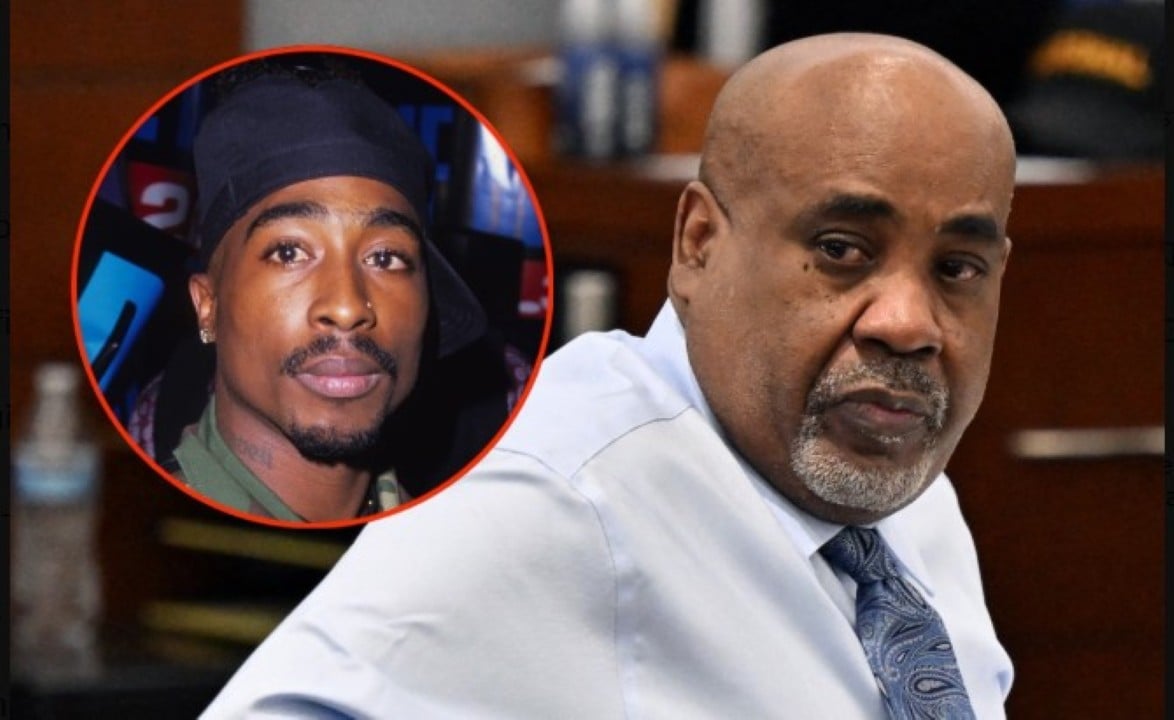
A jury in Las Vegas convicted Duane Davis on August 31 of first-degree murder with a deadly weapon for orchestrating the drive-by shooting that killed Tupac Shakur at age 25.
First-degree murder conviction carries severe criminal penalties
The first-degree murder charge represents the most severe category of homicide under state law, requiring proof of premeditation or comparable statutory aggravating factors.
Court records show that prosecutors formally charged Davis as the sole defendant in the fatal ambush.
Retaliation motive behind the Las Vegas ambush
Prosecutors argued that Davis coordinated the drive-by attack as immediate retribution after his nephew Orlando Anderson suffered a beating from Shakur and associates earlier that night.
The underlying friction involved territorial disputes between music factions representing the East Coast and West Coast scenes.
Those rivalries connected figures such as Shakur alongside Sean Combs and The Notorious B.I.G. across separate camps.
Legal disputes and incidents prior to the fatal attack
Prior to the shooting, Shakur confronted multiple legal battles and violent encounters in cities across the country.
Key incidents documented before the fatal encounter in Nevada include:
- An Atlanta altercation in 1993 resulted in charges for shooting two officers before authorities dropped the case
- A trial in New York led to an 18-month prison sentence following sexual abuse allegations at a local hotel
- An attack at a Manhattan recording facility left Shakur with five gunshot wounds during jury deliberations
Following emergency surgery and severe physical trauma, Shakur secured his release from prison through a formal financial agreement with Marion Knight, an executive who directed Death Row Records in California and paid the necessary bail funds in exchange for music obligations.
That financial obligation deepened ties between the music executive and street factions.
Subsequent disputes led to violent clashes across multiple cities.
Scheduled sentencing date before the district court
He remained in custody without bail.
Judge Carli Kierny scheduled the sentencing hearing for October 13, where the court can impose life imprisonment without parole.





