
Photographer uses Dyson $500 toothbrush camera on the street

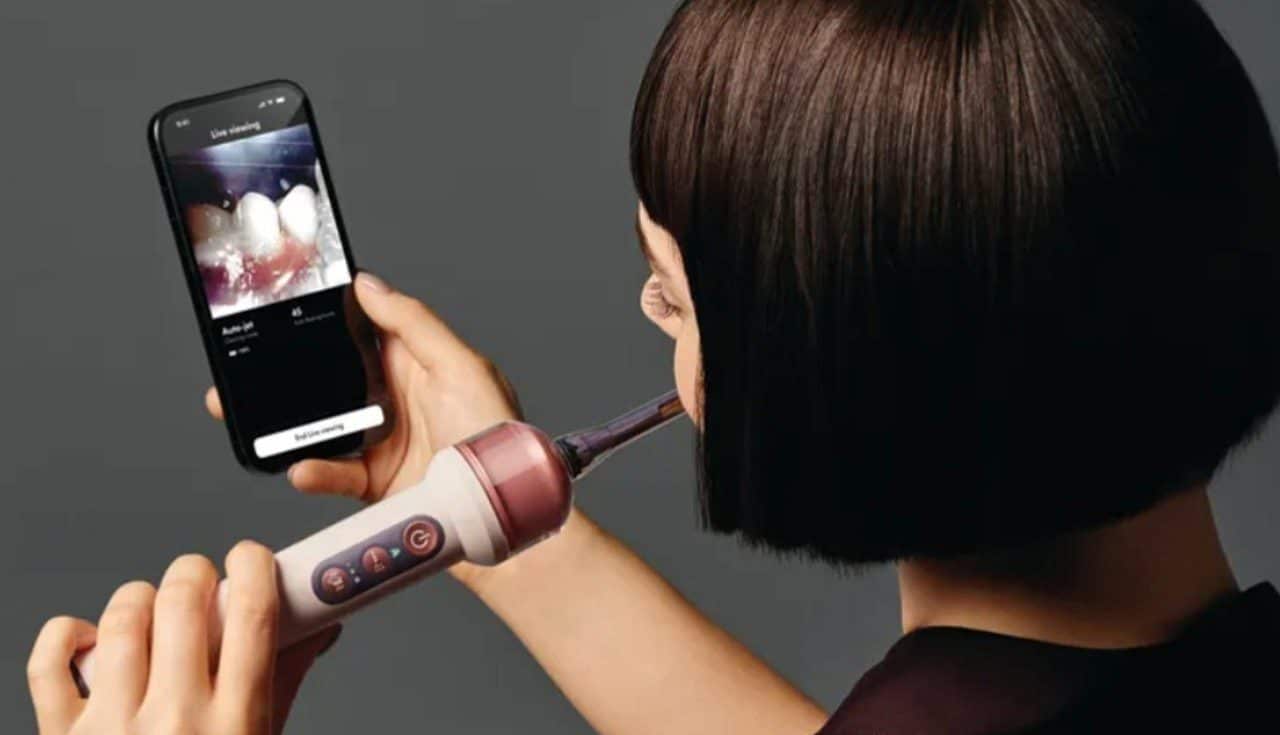
Instagram creator All Gear No Skill took the Dyson CameraJet toothbrush onto public walkways to capture urban photographs using the device’s built-in dental optics in September. The motorized unit retails at $499.99 in the United States, £419.99 in the United Kingdom, and AU$799 in Australia as Dyson’s first product for oral care.
Technical features inside the Dyson hygiene device
The oral cleaner incorporates an internal macro sensor that delivers 100k-pixel resolution, translating to roughly 0.1 megapixels.
Dyson engineered the camera to feed real-time visual information directly into a proprietary machine learning system called Gap Optical Targeting. Operating at 28 frames per second, this algorithmic process locates the spaces between human teeth to direct targeted jets of mouth rinse during brushing. The hardware lacks internal storage.
Screen capture method behind the dental photographs
Because the physical brush cannot save digital media internally or connect directly to cloud databases, All Gear No Skill monitored the live wireless transmission through the MyDyson mobile application. The photographer generated the street photos manually by taking screenshots on a smartphone whenever a scene aligned properly in front of the bristle head.
Visual distortion and optical characteristics of the sensor
Equipped with a miniature 100k-pixel macro sensor positioned right below the brush head, the electronic device streams live footage of molars directly to the MyDyson application, allowing the user to view the framing on a handheld phone screen and manually capture still shots because the hardware itself contains no onboard storage or cloud-saving system.
The resulting imagery features extreme fisheye warping, shifting color balances, and unstable white tones that resemble experimental infrared photography. Fine details blur across the frame due to the tiny 0.1MP sensor ceiling. Objects located far from the focal range of the macro lens lose clarity immediately.
Consumer devices increasingly carrying digital lenses
Digital cameras regularly appear in modern consumer machines completely separated from traditional camera production. Domestic equipment uses miniature sensors for distinct operational duties:
- Automobiles employ cameras to coordinate assisted parking maneuvers.
- Robotic vacuum cleaners track household obstacles, including floor cables and toys.
- Connected refrigerators provide interior previews through specialized mobile software.
Optical sensors also operate inside automated lawn mowers and virtual reality headsets to manage environmental tracking.





