
Apple Watch Series 12 adds faster heart sensors and gestures

Apple delivered the Apple Watch Series 12 with structural hardware upgrades, although two announced audio functions remain unavailable at launch.
Public attention centered on Siri Recaps and Live Rewind following the official product presentation. The device introduced an overhauled health monitoring cluster, extra navigation gestures, a Ceramic casing option and improved energy efficiency.
Both pending capabilities belong to the Audio Intelligence suite, relying on built-in microphones to capture ambient speech before generating summaries through the isolated Secure Exclave on the S11 processor.
Field evaluations conducted over seven consecutive days focused strictly on active features rather than the delayed software. Physical gestures proved particularly practical during testing.
Security hardware handles audio tasks despite missing software tools
Current production firmware enables only two of the four planned Audio Intelligence utilities, specifically Sound Recognition and accelerated Shazam searches.
Internal execution of audio processing relies directly on the architecture of the S11 silicon. The component routes signal flows through dedicated hardware partitions.
The Secure Exclave operates as a separate hardware environment on the processor to convert raw sound into summaries while keeping user data shielded from unauthorized system access.
The Noise application uses this isolated processing pipeline to evaluate dangerous exposure levels. Acoustic readings also calibrate alert volume levels automatically across watchOS 26 and watchOS 27 systems.
Music identification via Shazam operates directly inside the Smart Stack interface after swiping from the watch face. During tests, the visual card retained the first scanned track title until the tray closed and reopened over Spotify playback. The interface refreshes afterward.
The minor interface delay did not prevent accurate identification of background music.
Sound Recognition detected domestic sirens, appliance chimes and running tap water. The sensor triggered immediate haptic alerts whenever running water sounded nearby.
Paired testing with an iPhone 18 Pro produced matching audio notifications across the room.
Users concerned about audio privacy retain the option to disable these tools entirely within device configurations. Apple scheduled the public release of Live Rewind and Siri Recaps for later dates.
Ceramic casing returns alongside new color options and stronger screen glass
Physical dimensions mimic the prior generation, yet Apple re-established the Ceramic edition in white and blue finishes. The distinct shell provides an alternative to conventional metallic watch exteriors. The finish resists scuffs.
Aluminum variants gain Ceramic Shield 2 glass protection borrowed from the iPhone 18 Pro, whereas titanium and ceramic versions retain sapphire crystal surfaces across new dark bronze and radiant gold finishes, having removed the rose gold option found on Series 11.
Dark bronze borders visually emphasize the outer display borders despite the glass sharing identical dimensions with Series 11.
Redesigned sensor array speeds up vital metric tracking
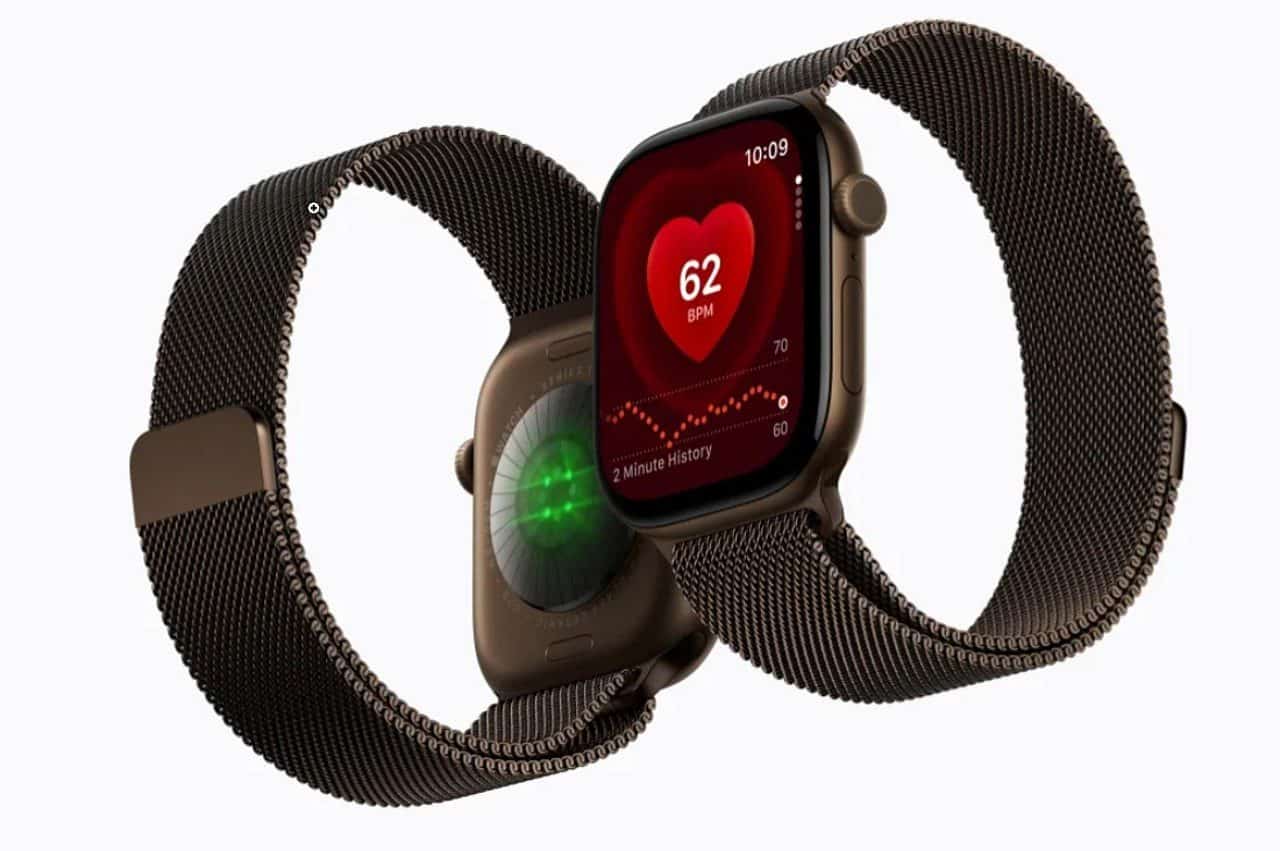
Engineers expanded the underside contact area with tightly grouped LEDs, electrodes and photodiodes without altering the outer case size. The rearranged cluster collects biometrics at significantly higher rates.
Routine background heart rate tracking now logs metrics every five seconds instead of every five minutes. Readings for heart rate variability occur every five minutes rather than across two-to-four-hour gaps. Data updates steadily.
The sensor captures root mean square of successive differences, known as RMSSD, alongside traditional standard deviation measurements. These shorter sampling intervals calculate cardiac strain immediately following intense training sessions.
The Vitals application gathers these frequent measurements to formulate daytime performance readings.
Daily recovery metrics join the wearable tracking lineup
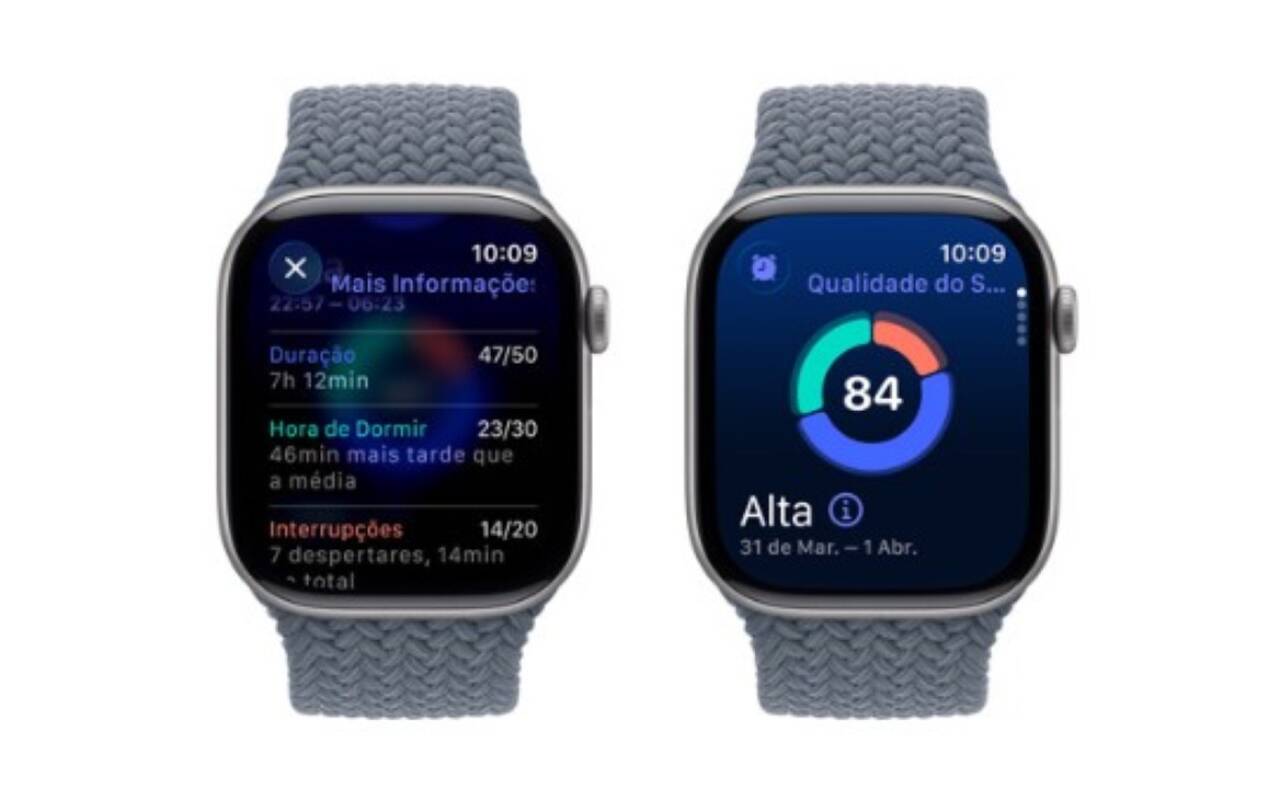
Following the arrival of sleep ratings on Series 11, the Series 12 introduces a dedicated Readiness score to monitor recovery against competitors like Garmin, Samsung and Google. Garmin introduced Body Battery in 2018, whereas Fitbit launched Daily Readiness Score in 2021.
Calculating the baseline score requires seven nights of consecutive wrist temperature and cardiac records.
Early sleep scores logged between 41 and 91 points during the initial seven-day testing schedule. The algorithm logged erratic schedules across launch week.
A missing baseline value delayed the primary score display because the internal wrist temperature sensor required five additional evenings of data collection.
Physical readiness guidance varies between individuals during daily routines. Early morning workouts continued regardless of advisory alerts.
Recovery calculations depend heavily on continuous overnight wearing habits to generate accurate morning summaries. Missing isolated sleep sessions interrupts data availability on wearables across multiple brands. The hardware responded quickly.
Apple uses moderate guidance phrases such as Pace Yourself, Recover, Ready or Go For It instead of rigid system directives.
Users can open the Vitals card to review individual metrics like resting heart rate, respiratory consistency and menstrual cycle phases even when the aggregated summary score remains pending. The screen arranges these values clearly.
Direct comparisons against a Fitbit Air showed heart rate tracking variances within two beats per minute.
Instantaneous RMSSD reporting allowed rapid review of cardiac variance without waiting for multi-day baselines. A dedicated dial complication provides continuous heart rate numbers without opening separate menus.
Application interface prepares for dynamic layout changes
Navigating the standard Apple Health layout often creates confusion due to scattered categorical metrics.
The primary menu frequently surfaces scattered notifications about loud environments, changing walking dynamics and incomplete survey questionnaires. Menus lack simple organization.
A developer beta introduced a restructured navigation hierarchy ahead of a wider public rollout.
The incoming update introduces Longevity and Browse tabs, replacing Sharing and renaming the Summary view to Insights. The interface organizes activity cards dynamically based on machine learning priorities.
Competing platforms from Google and Whoop utilize denser layouts with higher degrees of interface customization.
Apple plans to integrate guided video testing for VO2Max and flexibility directly into the upcoming software revision without requiring extra subscription payments. The tools expand basic health monitoring.
Single tap command expands hands free navigation controls
The Series 12 introduces a single-tap finger command that operates alongside the double-tap and wrist flick controls from the Series 11.
Single taps select items while double taps advance through widgets. The combination enables completely touchless control over the Smart Stack interface.
Accessibility improvements give users full system control during moments when tapping the physical display glass proves impossible.
The sensor recognizes subtle finger pinches reliably. Navigation runs smoothly.
The Siri Modular watch face arranges voice shortcuts next to Sound Recognition and Shazam shortcuts on the lower display edge. Clean typography aids reading speed. Complications adapt quickly.
A revised pedometer algorithm running on the S11 silicon calculates daily steps more precisely through an updated watch face widget.
System updates inside watchOS 27 expand cycle tracking to include perimenopause metrics while rearranging application icons into dynamic clusters. The software distributes icons intelligently.
The watch predicts necessary applications, presenting camera controls near smartphones or sleep tools during morning hours.
The predictive grid occasionally hides secondary tools like third-party note taking apps, requiring manual searches. Dynamic menus require accurate contextual routines to remain effective.
Power cell performance maintains full day runtimes with faster top ups
The S11 silicon adopts design principles from the A20 Pro chip in the iPhone 18 Pro, which derives architecture from Apple M6 desktop processors.
System interactions operate without stuttering or operational lag during heavy usage. Menus advance instantly.
Battery reserves consistently reached 50 percent capacity by the close of standard workdays, preserving adequate energy for overnight monitoring.
Revised charging coils and sensor electronics deliver an 80 percent charge within 30 minutes, providing 12 operating hours after 15 minutes of charging. A five-minute plug-in supplies 10 hours of overnight tracking.
A 12-minute charge elevated battery levels from 51 percent to 79 percent before morning activity. The recharge rate trails the Pixel Watch 5 slightly. Progress remains noticeable.
The Apple Watch Series 12 delivers meaningful tracking precision through its rebuilt sensor array, faster sampling rates and single-tap input, maintaining its retail pricing alongside a premium Ceramic model priced $500 higher.
Users who choose to disable experimental audio tools still retain an accurate health monitoring system.
</CONTENT]





