
Resident Evil reboot embraces classic survival horror roots

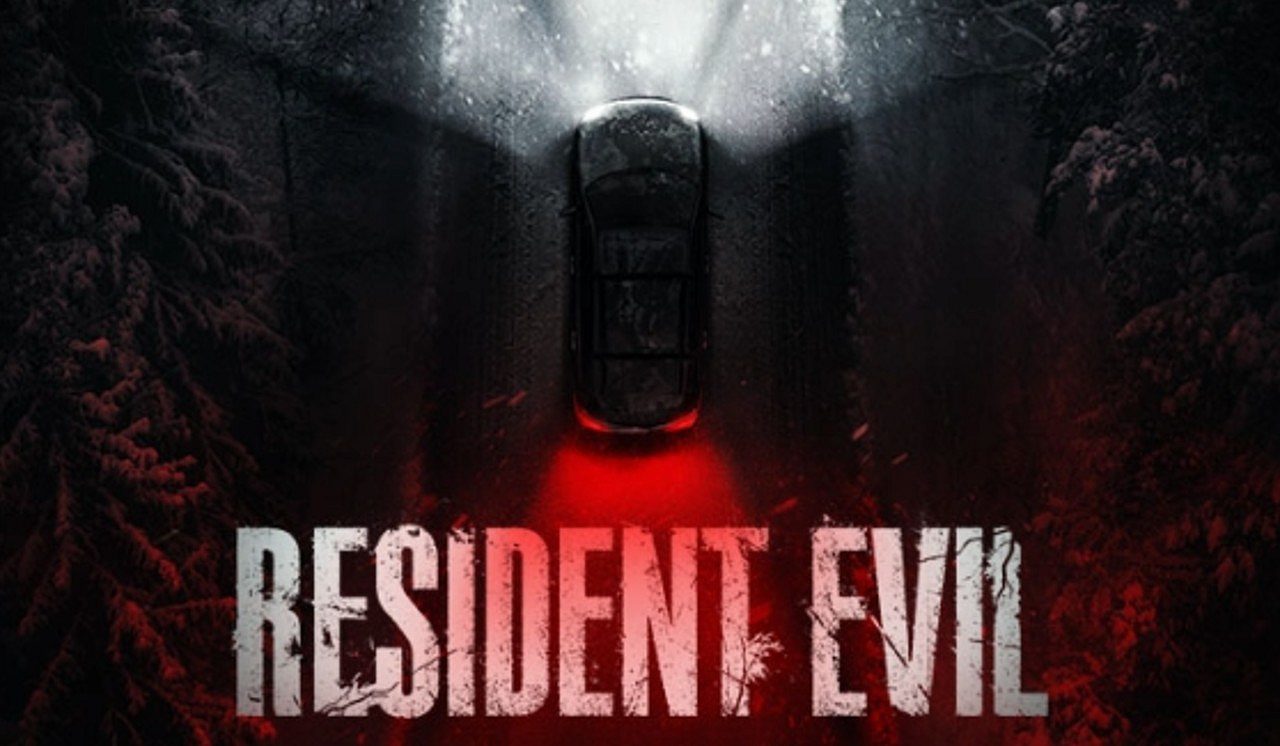
Filmmaker Zach Cregger, who previously directed Weapons and Barbarian, developed a new cinematic adaptation of Capcom’s Resident Evil franchise built around the mechanics of survival horror.
Earlier adaptations featuring actor Milla Jovovich across six movies leaned heavily on high-octane spectacle while discarding the isolation and inventory tension that define the original Capcom titles. Limited ammunition and dwindling health reserves rarely drove those previous cinematic plots. Cregger instead structures the project around the core dread found in the franchise’s premier interactive releases.
The production avoids hollow fan service like the animated features and the 2021 release Welcome to Raccoon City. The approach works.
The narrative follows Bryan, played by Austin Abrams, an everyday courier dispatched on an urgent run toward the remote mountain community of Raccoon City. Personal anxiety complicates his journey as his partner recently discovered she is pregnant. Flawed decision-making shapes his character throughout the hazardous trek. He represents an ordinary protagonist facing abnormal threats.
Following a severe vehicular collision along an isolated snowy road, the visual framing shifts directly into a first-person perspective as Bryan approaches an injured stranger who abruptly mutates into an aggressive creature near an overturned police cruiser, mirroring the tense camera movements of the original Resident Evil video game. The camera subsequently transitions into an over-the-shoulder vantage point as the protagonist scrambles to survive the ambush. This tight staging directly invokes the third-person framing popularized by Resident Evil 4.
Bryan secures a handgun to defeat the initial threat before an infected canine forces him into an agricultural barn containing an intractable ladder puzzle. He subsequently discovers an unloaded shotgun inside a deserted farmhouse alongside an isolated typewriter reminiscent of classic series save rooms.
Viewers unacquainted with the franchise can follow the plot without prior lore knowledge. However, the camera tracks every unlit corridor and doorframe directly through Bryan’s line of sight to sustain intense environmental dread. Munitions remain strictly limited as the courier constantly tallies his remaining rounds. Erratic perspective shifts occasionally mimic the abrupt analog stick adjustments of a console gamepad.
The production establishes a distinct approach compared to past gaming adaptations such as Uncharted, Super Mario Galaxy, the 1990s Super Mario Bros., and recent commercial releases like Sonic and Minecraft. Studios continue mining video game properties, as Nintendo develops a live-action film based on The Legend of Zelda. That broader slate of projects illustrates Hollywood’s expanding pipeline for interactive properties.





