
T. rex maintains 36.3 degrees body heat in UCLA fossil study

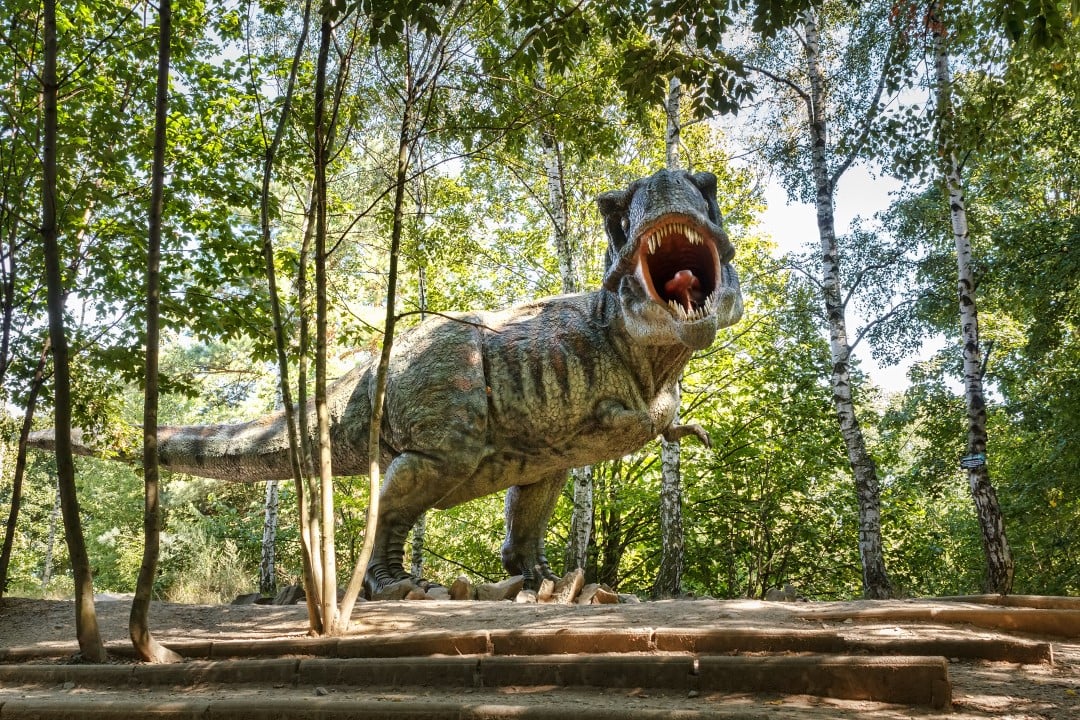
Scientists at UCLA confirmed on September 18, 2026, that Tyrannosaurus rex possessed warm blood after analyzing fossilized tooth enamel in Los Angeles. Chemical examinations registered an average body temperature of 36.3 degrees Celsius, displaying a variation of 2.5 degrees Celsius above or below that baseline.
Chemical analysis of fossilized tooth enamel
The clumped isotope method required extracting approximately 5 milligrams of mineral powder using a low-speed tungsten carbide drill on three fossil specimens from Montana. Laboratory personnel drilled the enamel carefully to isolate isotopic signals without contaminating the prehistoric minerals. This delicate procedure yielded clean samples for isotopic measurement.
Material originated from two individuals preserved at the Natural History Museum of Los Angeles County, including a young specimen called Thomas recovered in Carter County. Fossil enamel preserved the heat. Geoscientist Aradhna Tripati stated that enamel solidifies during an animal’s life at the internal body temperature of the organism. Consequently, the mineralized structure operates as an authentic fossil thermometer.
Thermal records across living and extinct species
The study published in Science Advances compared the 36.3 degrees Celsius baseline of the predatory carnivore against measurements recorded from diverse creatures across the planet. Geoscientist Aradhna Tripati stated that the predator operated differently from cold-blooded reptiles relying on solar heat, demonstrating that the extinct dinosaur instead shared fundamental thermal characteristics with large modern mammals and living birds rather than prehistoric or present crocodilians.
- Modern humans record an average internal temperature of 37 degrees Celsius
- Living elephants register a body heat index of 36 degrees Celsius
- Extant ostriches show internal readings of approximately 39 degrees Celsius
- Fossil crocodylians from the same rock layer reached 30.9 degrees Celsius
Researcher Robert Eagle stated that the team also examined fossilized teeth belonging to ancient reptiles retrieved from that identical rock formation. Laboratory results revealed that those prehistoric reptiles maintained temperatures matching modern crocodylian relatives. These comparative readings provided a clear environmental baseline for the Cretaceous habitat.
Survival in freezing Cretaceous landscapes
Tyrannosaurus rex inhabited western North America approximately 66 million years ago during the Late Cretaceous Period, leaving fossil remnants across Montana, Wyoming, Texas, New Mexico, Alberta, and Saskatchewan. Geoscientist Aradhna Tripati reported that atmospheric projections place the giant theropod in chilly regional environments that regularly experienced freezing temperatures.
Metabolic demands for sustained internal heat
Geobiologist Robert Eagle explained that maintaining endothermy forced the apex predator to consume large quantities of meat to sustain a heightened metabolic rate. This biological furnace provided physical stamina and extensive mobility for the dinosaur across continental hunting zones. The sustained warmth enabled constant predatory activity rather than sluggish basking behavior.
Research leader Aradhna Tripati emphasized that the physiological results recorded from Tyrannosaurus rex do not justify generalized conclusions regarding all extinct dinosaurs. The chemical findings remain strictly confined to this specific theropod species.





