
Apple iPhone 18 Pro teardown reveals unfixable 48MP camera

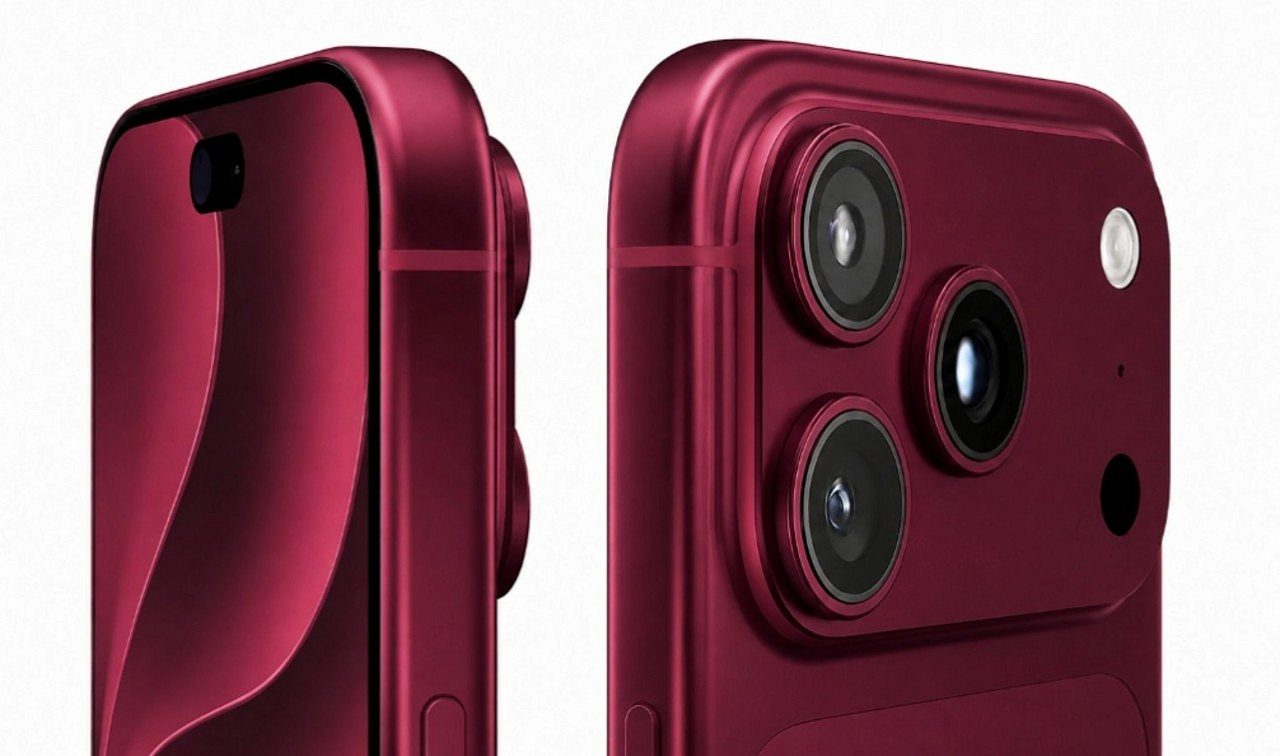
The technical repair group iFixit dismantled the camera module of the iPhone 18 Pro and iPhone 18 Pro Max on September 21, 2026, in the United States, exposing Apple’s internal variable aperture system on the 48-megapixel main sensor. The teardown revealed a mechanical structure inside the Fusion lens that matches the physical footprint of the previous generation. Technicians confirmed that the internal layout restricts repair access despite the exterior dimensions remaining consistent.
Six overlapping physical blades shift to regulate incoming light onto the Apple sensor, forming a mechanical barrier that completely blocks individual component fixes in the event of hardware failure.
Magnetic rings actuate laser-cut aperture blades
Apple engineered the shutter mechanism using laser-cut metal components that rotate across four distinct settings between f/1.48 and f/4. The widest opening pulls in maximum illumination with a shallow depth of field. Conversely, the narrowest aperture maintains sharp focus across the background. Magnetic rings drive the rotation of the overlapping blades to preserve a circular opening without requiring internal wires attached directly to the optical core.
- The f/1.48 setting allows maximum light into the 48-megapixel sensor.
- Two middle stops adjust illumination for standard daytime shooting.
- The f/4 setting narrows the opening to sharpen peripheral visual details.
- Internal magnetic coils shift the mechanical rings without physical wiring.
The mechanism opened and closed when technicians held an ordinary magnet near the unit during bench testing. Because Apple assembled the shutter using high-strength industrial adhesive alongside microscopic mechanical clearances, any tiny particle of dust or microscopic bend in the metal blades locks the entire photographic assembly and renders manual reconstruction impossible without specialized factory machinery.
Modular camera structure allows complete unit swap
The entire assembly supports replacement. Apple detached the camera block from the central frame architecture, allowing technicians to pull out damaged modules without unsealing the delicate microscopic blades inside. While official repair prices remain unannounced, the corresponding module for the iPhone 17 Pro cost US$ 249 through official service channels.
The smartphone scored 7 out of 10 on the iFixit repairability scale due to its screw-secured battery and decoupled sensors, although the plastic display bezel fractured on three of four test units. Rival manufacturers Samsung and Google maintain higher repairability ratings across their smartphone lineups than Apple achieved with this generation.





