
Galaxy S25 lineup receives third One UI beta software update


Samsung entered the final deployment phase for the third One UI beta package tailored specifically for Galaxy S25 handsets. The South Korean manufacturer scheduled the release of these update packages to resolve recurring software anomalies and calibrate system utilities ahead of the official launch.
Company developers continue eliminating critical errors discovered during the preceding trial releases. Testing continues across regional markets. Software teams review error logs to isolate persistent malfunctions before signing off on final code.
Deployment timeline for the third software revision
The third beta package reaches enrolled devices to address community feedback collected throughout technical assessment sessions. This software release eliminates frame drops during display transitions, corrects background battery drain, and refines the execution of artificial intelligence features in default tools.
Samsung engineers plan an immediate shift toward the commercial build once central servers complete diagnostic evaluations for this cycle. The official operating system will roll out in successive waves governed by territory and carrier partnerships. This method prevents server overload during widespread file distribution.
The general consumer release will not require registration in experimental evaluation portals. Eligible smartphone owners can download the finished update through standard device configuration menus.
Supported flagship smartphone models receiving the update
The patch arrives simultaneously for all three premium smartphones released under the Galaxy S25 naming scheme. Samsung merged its underlying code architecture to accelerate validation across different panel dimensions and hardware memory configurations. The eligible models include:
- Galaxy S25 featuring the compact chassis
- Galaxy S25 Plus featuring the intermediate display size
- Galaxy S25 Ultra featuring integrated stylus capabilities
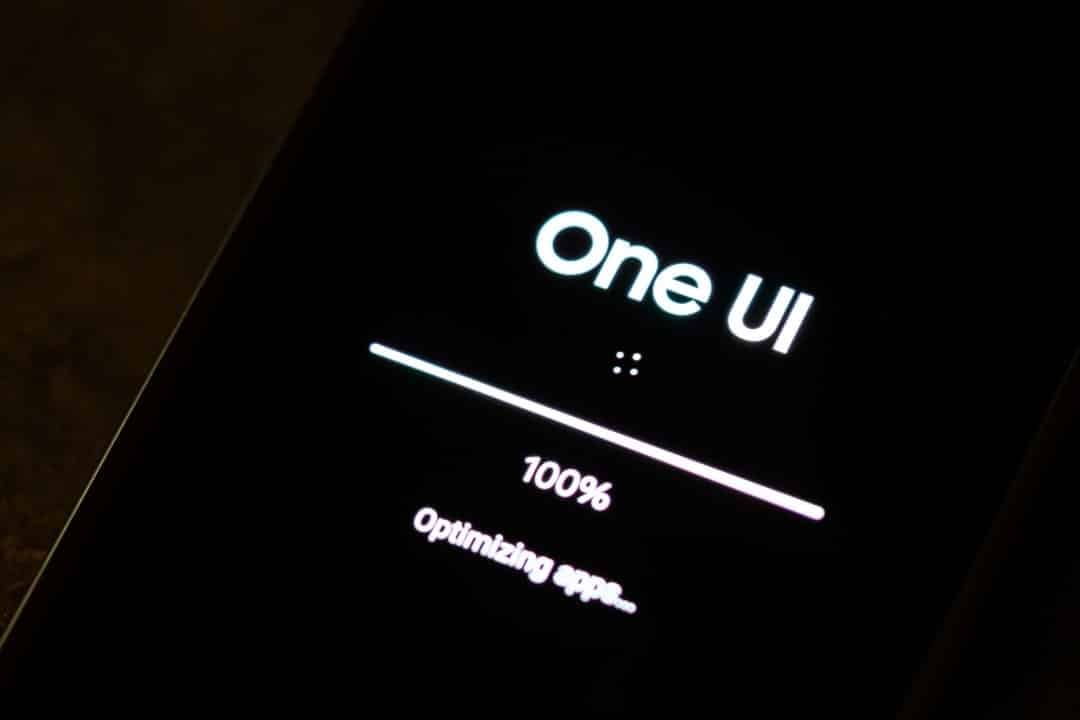
Each participating device retrieves an operating system package marked by a distinctive firmware serial registered in corporate databases. These hardware identifiers enable network technicians to track firmware versions across global sales divisions.
Key software adjustments targeting interface responsiveness
Engineers structured this third revision to eliminate software lag by replacing defective internal code packages, which previously caused crashes in the camera software and triggered unexpected stuttering across multiple drop-down menus within the mobile operating system. The technical department intends to maintain an uninterrupted refresh rate of one hundred twenty hertz across daily usage scenarios. System components now handle rapid graphic switching without dropped frames.
Thermal management during high-speed charging cycles represents a primary operational priority for Samsung developers. Engineers recalibrated temperature thresholds to stop abrupt processor downclocking during sustained graphical computing tasks.
Overall interface stability reaches the operational benchmark required for unrestricted consumer distribution once this compilation finishes testing. Testers verify memory utilization alongside background service management. The platform operates within expected latency boundaries.
Regional distribution and carrier validation procedures
One UI test programs launched initially across South Korea and the United States before expanding into selected European and Asian territories. This multi-market strategy provides system engineers with diagnostic telemetry from varied telecommunications networks, preventing cellular connectivity drops and signal loss.
Wireless test distributions originate directly from servers managed by Samsung. Participants receive software files over wireless networks as soon as notification prompts appear on device status bars. Automated installation routines handle local file extraction.
The downloaded installation archive contains technical documentation detailing every internal system modification applied by software engineers. These changelogs register low-level library adjustments and security improvements across device partitions.





