NASA confirms the largest recent impact crater on the Moon

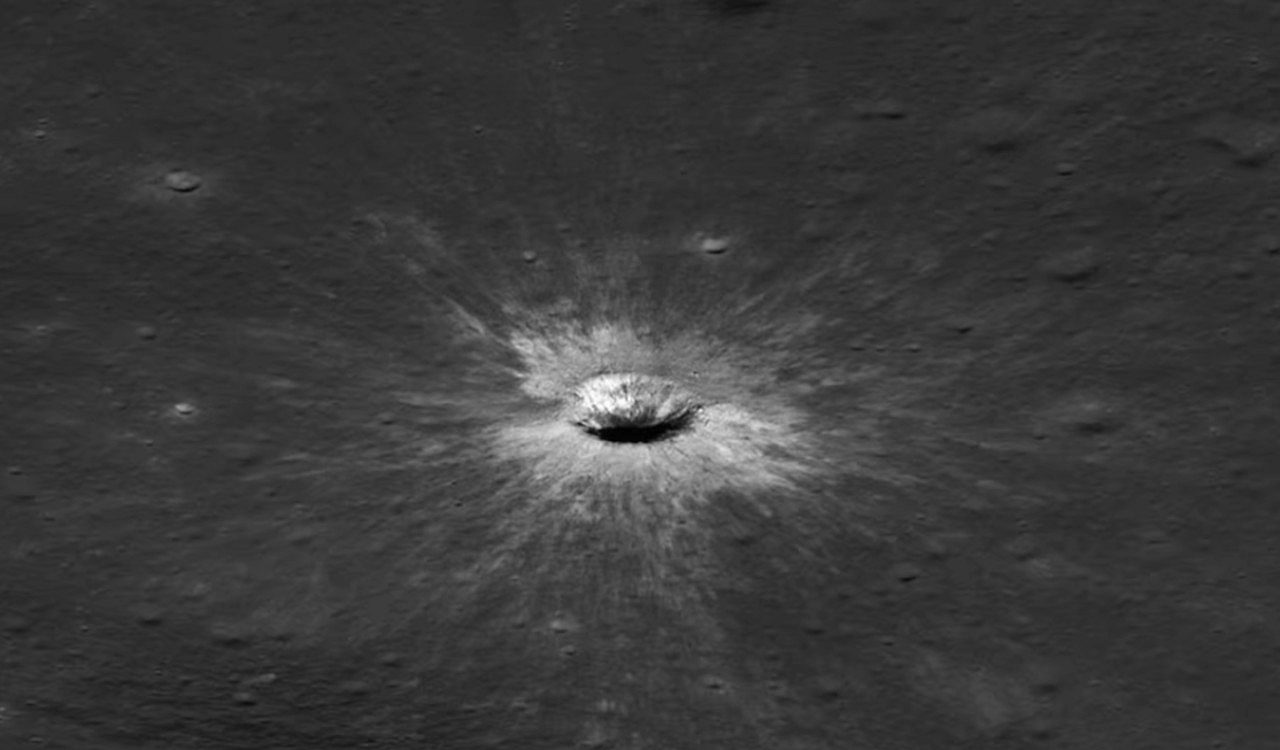
NASA identified McGetchin crater on the Moon, classifying the geological structure as the largest recent impact site detected in the Solar System. The newly recorded basin measures 222 meters in total width across the lunar terrain.
Dimensions of the McGetchin depression
The lunar feature remains visible.
NASA verified that the cavity drops 43 meters deep into the rugged surface. An asteroid or comet collision generated the excavation on the lunar crust. Space instruments mapped the entire physical boundary without human intervention.
Origin linked to cosmic collision
NASA documented the geological formation after surveying the lunar surface, confirming that a direct high-speed collision involving an asteroid or a comet carved a depression measuring 222 meters across and 43 meters deep into the extraterrestrial ground. The sudden strike displaced dense layers of celestial material.
Researchers assigned the formal name McGetchin crater to the area.
Measurements recorded on the lunar surface
NASA cataloged the physical metrics of the excavation across orbit files. The location displays definitive topographical parameters resulting from the strike.
- Crater width reaches 222 meters across the Moon.
- Depression depth measures 43 meters from the outer rim.
- Origin stems from a collision with an asteroid or comet.
The Moon retains these geometric depressions.
Position within the Solar System
NASA established that no other recent crater discovered in the Solar System exceeds the size of McGetchin. A comet or asteroid produced the 43-meter structural drop.