
CD Projekt RED sets free The Witcher 3 upgrade on September 29

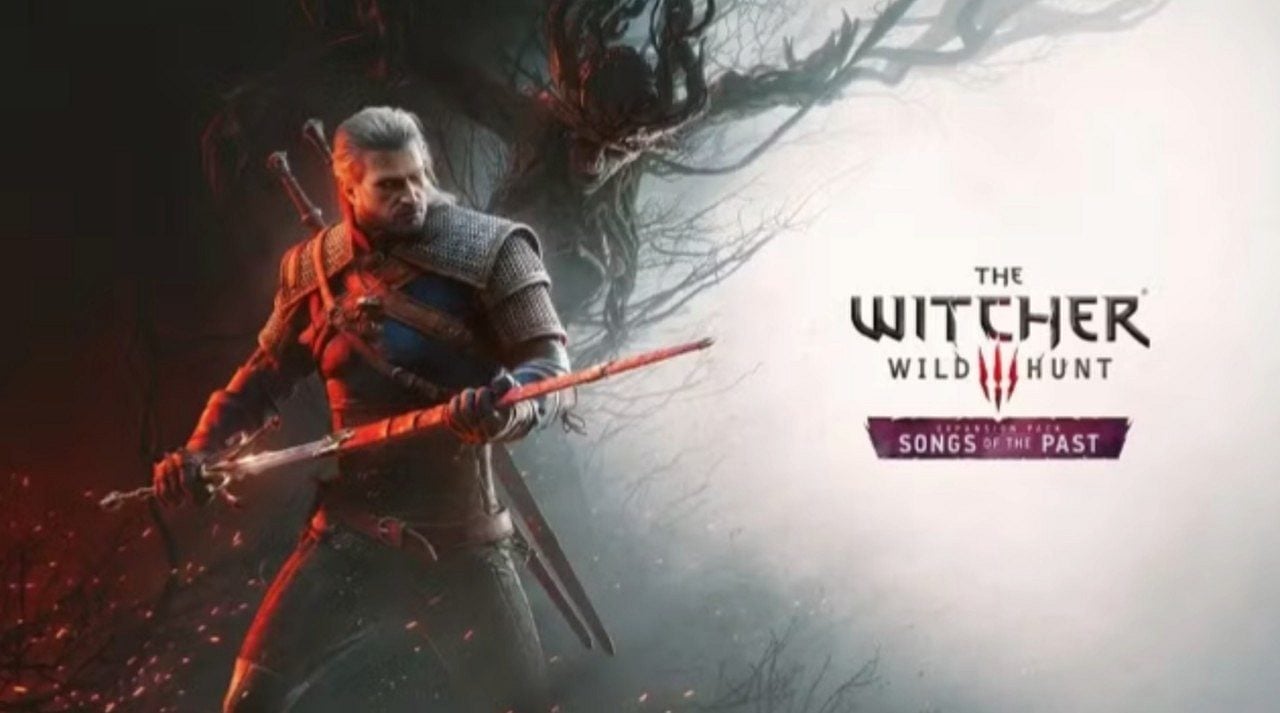
Polish development studio CD Projekt RED scheduled the worldwide release of The Witcher 3 Remastered for September 29, 2026, across computer networks and modern home consoles in Warsaw. The official production bulletin confirmed that the rebuilt role-playing title moves beyond basic texture scaling to introduce substantial revisions across core operational loops. Technical leads initiated this release strategy after concluding that modern hardware setups require deep revisions to baseline software architecture.
The Polish company distributes the comprehensive upgrade at zero expense to all consumers who already own the original fantasy title released back in 2015. Deployment covers players using PlayStation 5, Xbox Series X, Xbox Series S, and desktop personal computers, alongside dedicated support files verified for the portable Steam Deck handheld during the 2026 operating cycle.
CD Projekt RED delivers the entire software package without charging additional download fees to registered owners.
Digital storefronts across Xbox Series X and PlayStation 5 will verify previous ownership records before triggering the automatic installation process. Hardware installations from the original 2015 physical disc will also validate access to the upgraded digital edition through network verification channels.
Core combat mechanics and battle systems receive direct adjustments
Executive producer Jakub Kutrzuba detailed that development teams reconstructed dozens of technical elements that remained completely untouched since the original launch of the franchise over a decade ago. Programming engineers modified core source directories to redesign artificial intelligence routines governing enemy aggression, active camera tracking behaviors, and complex pathfinding logic. These structural code revisions eliminate systemic input latency across all supported platform architectures.
Development personnel prioritized the total elimination of control friction across protracted combat encounters throughout the virtual wilderness. “What is most important is that we are touching those aspects of the game that were untouched since release,” stated Jakub Kutrzuba during an official studio presentation regarding the mechanical upgrade. Combat flow shifted rapidly.
Lead designers reconfigured sword battle encounters to provide immediate tactical feedback whenever Geralt of Rivia faces hostile squadrons in congested environments. The revision replaces standard collision detection formulas with modern spatial algorithms developed internally by CD Projekt RED, ensuring that every responsive physical strike connects smoothly against rival blade defenses without disrupting player positioning or locking camera angles behind obstructive environmental geometry during intense skirmishes. Specialized parry counters now trigger distinctive defensive maneuvers against elite monstrous targets.
Engineers integrated several distinct gameplay modifications designed to restructure primary combat mechanics:
- Redesigned character talent matrix featuring recalibrated skill progression values.
- Overhauled enemy pathfinding algorithms enabling fluid group encirclement tactics.
- Dynamic battle camera routines preventing visual obstructions behind terrain assets.
- Responsive lethal execution strikes implemented across standard steel and silver sword fighting.
Studio technicians noted that the heightened responsiveness in gamepad inputs altered internal quality assurance routines from the very first balance pass. Kutrzuba reported that veteran staff members found it exceptionally difficult to return to the legacy 2015 control scheme after navigating encounters with the responsive combat models. Testing teams confirmed the difference.
Production leads in Warsaw eliminated structural gameplay friction accumulated over eleven years without altering any dialogue tracks or narrative quest paths built for the legendary fantasy campaign. Creative leads maintained the exact narrative sequences written for the Northern Realms while refreshing the underlying mechanical interface.

Gear transmogrification joins expanded photography tools for players
CD Projekt RED implemented a native transmogrification feature across inventory menus after tracking long-standing requests submitted by community members. The integrated mechanic allows active users to apply peak statistical ratings from superior defensive gear while retaining their preferred visual designs across all armor pieces.
The aesthetic wardrobe function prevents adventurers from equipping unwanted armor sets merely to secure mathematical defense advantages against lethal wilderness adversaries. Software developers also overhauled the integrated photo capture utility to deliver professional framing controls and realistic illumination adjustments for virtual image captures of Geralt in action.
Console platforms and personal computers gain the release without fees
Distribution teams will transmit the complete digital package directly to digital account libraries on PlayStation 5 and Xbox Series X hardware. The rollout applies identical operational rules across all retail distribution networks.
Engineers verified hardware compatibility profiles across the portable Steam Deck and personal computer installations running custom graphic configurations. This release strategy differs entirely from previous maintenance updates that focused strictly on resolution targets and base frame stabilization benchmarks.
Studio executives decided against attaching monetization checkpoints to the mechanical rebuild, choosing instead to strengthen player engagement across legacy titles while internal teams develop upcoming franchise productions. Download packages become available through digital storefronts simultaneously across all regional territories in late September 2026.
Production timeline sets up the upcoming story expansion scheduled for 2027
Studio directors positioned the structural modernization of The Witcher 3 as a baseline milestone within the overarching commercial roadmap managed by CD Projekt RED. The public corporate schedule already outlines the arrival of a major narrative expansion planned to enter retail circulation during 2027.
Operational strategies focus on maintaining active player engagement across the fictional universe of Geralt of Rivia ahead of the prospective story release in 2027. Consistent server maintenance and gameplay upgrades ensure stable audience retention figures across multiplatform gaming ecosystems.
Preservation workflows managed across legacy gaming properties enable commercial software longevity without obligating development divisions to construct foundational software assets from scratch. Engineering squads across Europe continue executing stability tests to finalize master file compilation ahead of September 29, 2026.
Network distribution nodes will receive the finalized patch archive once regional compliance certification tests conclude across console network infrastructures. Manufacturing facilities will distribute localized software packages to server clusters across international regions without altering the established technical delivery calendar.





