NASA detects rare 220-meter crater formed on lunar surface


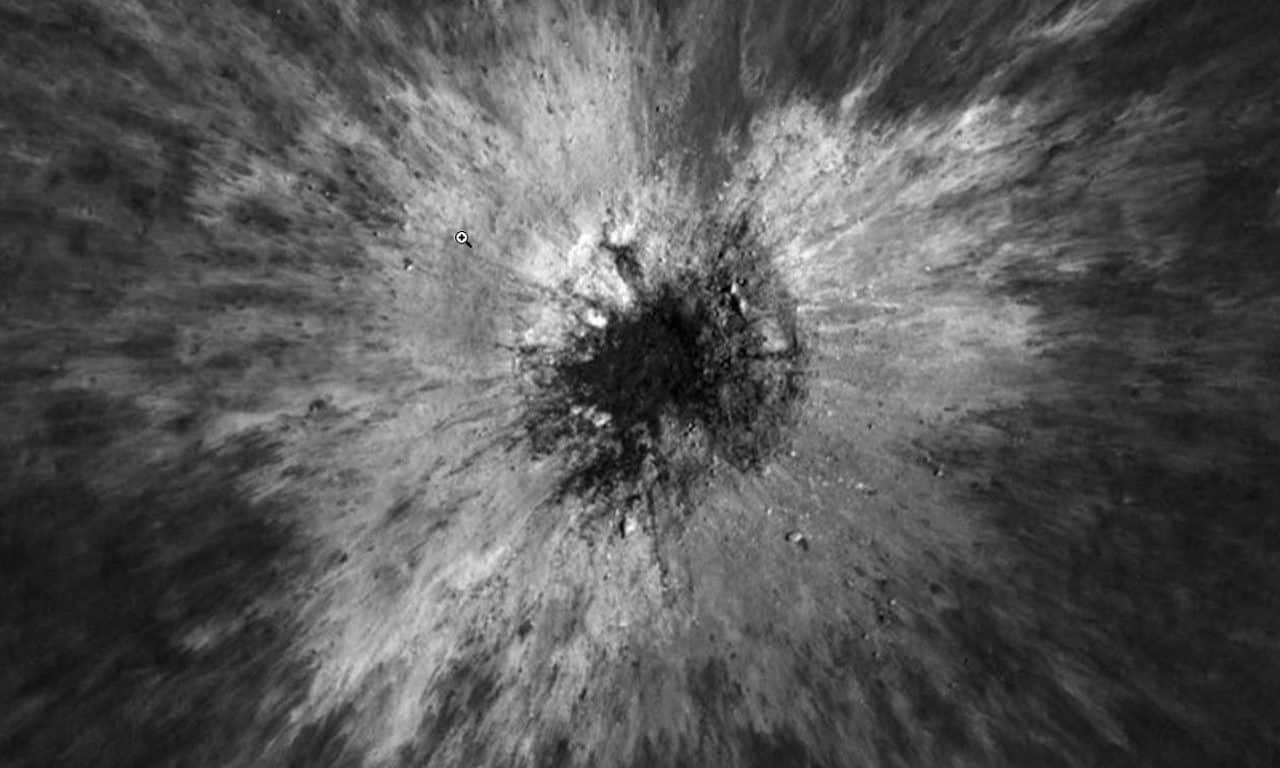
NASA scientists identified a massive depression formed by an asteroid or comet strike on the lunar surface, naming the geological feature McGetchin crater. The collision represents an extraordinary occurrence that planetary researchers classify as a once-in-a-century event in the modern observation era. Multiple orbital cameras verified that the incoming body excavated the ground with tremendous kinetic force upon arrival.
Measurements reveal unprecedented scale of the fresh excavation
The structure measures approximately 220 meters across and plunges to an internal depth of 43 meters below the surrounding terrain. Planetary scientists calculated that the celestial object driving the strike matched the physical proportions of a three-to-six-story residential building.
The impact was immense. Formal scientific evaluations confirmed that this newly generated basin stands as the largest fresh impact scar ever documented across the Solar System since photographic monitoring began.
Orbital imagery analysis exposes concealed surface alterations
Intuitive Machines researcher Robert Wagner uncovered the site while examining routine photographic sequences transmitted from the Lunar Reconnaissance Orbiter. By contrasting high-resolution surface maps taken across different operational schedules, Wagner identified a distinctive bright core surrounded by an expansive halo of dark, overturned regolith.
“I simply stopped, dropped everything, and began investigating what that spot was,” Wagner stated during the disclosure of the discovery. His comparative inspection of raw image batches allowed the scientific team to verify the exact footprint of the recent ground displacement.
Absence of atmospheric shielding sustains relentless cosmic strikes
Because the Moon lacks an insulating atmospheric envelope capable of incinerating cosmic projectiles through aerodynamic drag, every passing space projectile strikes the regolith at full terminal velocity without prior degradation. This continuous exposure leaves the barren planetary body vulnerable to endless incoming strikes across both the near and far hemispheres.
- The Lunar Reconnaissance Orbiter spacecraft has maintained active operations in lunar orbit for more than 17 years.
- Instruments aboard the satellite helped planetary scientists locate at least 1,000 newly formed surface craters.
- Sensors registered roughly 100,000 distinct ground disturbances directly linked to impact shocks and ballistic debris fields.
- Meteorite strikes generating craters approximately 9 meters in diameter occur roughly 140 times each year across the entire lunar surface.
Thermal readings indicate lower night temperatures in target zones
Thermal instruments inspecting the impact area mapped an altered territory stretching approximately 6.4 kilometers around the crater rim. This wide circular swath registers night temperatures roughly 9°C colder than undisturbed neighboring regions.
Researchers tied this enduring temperature drop to the fragmentation and mechanical redistribution of the native lunar regolith. The violent kinetic blast broke compacted soil aggregates apart, creating a loose layer that loses accumulated solar warmth much faster during the long lunar night.
Planetary data informs navigation protocols for robotic rovers
Study authors highlighted that evaluating large mechanical disturbances provides vital technical information about structural degradation processes altering rocky worlds over prolonged cosmic timescales. These mechanical soil assessments will directly inform terrain mapping protocols and routing schedules for autonomous transport buggies operating during upcoming exploration campaigns.
Full research findings describing the orbital detection and subsequent thermal measurements appeared in the scientific journal Science Advances.