
Robotaxi safety record shows crashes, injuries and sudden stops persist

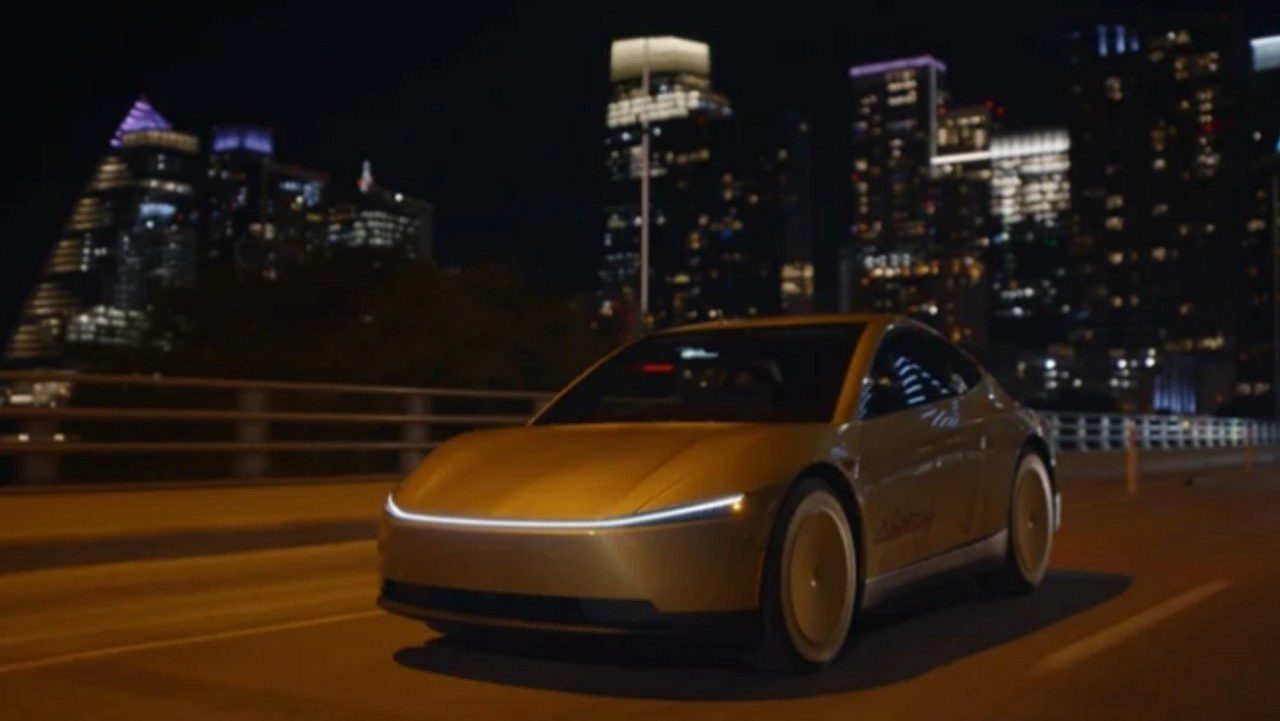
Self-driving car companies have long promised fewer accidents on the road, and the early numbers back that claim up. A report from the Insurance Institute for Highway Safety found that Waymo’s robotaxis were involved in roughly 65 percent fewer crashes than human drivers last year. Waymo’s own figures go further, claiming a 94 percent drop in accidents causing serious injury. Skeptics say the sample size still isn’t large enough to draw firm conclusions.
A September 2026 report using exclusive OSHA data found that Waymo and Zoox, the steering-wheel-free robotaxi unit owned by Amazon, caused dozens of injuries to test drivers while training their vehicles last year. Drivers suffered sprains and whiplash from sudden braking and other errors during city driving tests, according to the data. The dataset is incomplete, largely because of the narrow scope of OSHA’s reporting rules. Sources say injuries kept happening at Zoox through 2026, while less is known about Waymo’s more recent testing.
That report is only one data point raising doubts about how ready self-driving technology really is. Tesla’s robotaxis recorded more accidents than human drivers during their Austin, Texas, rollout. News coverage has also documented autonomous vehicles running over traffic barriers, swerving into oncoming lanes, running red lights and driving straight into police standoffs. The incidents remain rare, but some experts worry they will grow more common as the technology expands.
Uncertain road conditions remain a weak spot for autonomous vehicles. In July 2026, Amazon’s Zoox recalled more than a hundred vehicles after a software glitch caused one car to drive into an active fire scene, missing the smoke entirely. Months earlier, Waymo issued a similar recall when several of its taxis drove into flooded streets. Tesla, which recently rolled out its Cybercab robotaxi service, is under federal investigation over how its self-driving software handles low-visibility conditions. Other recalls have covered driving into closed roads and construction zones, violating school bus laws, and interfering with first responders.
Sudden, unnecessary stops rank among the most dangerous safety problems tied to robotaxis. Brake jabs were the leading cause of tester injuries, often triggered by phantom debris that isn’t actually there. Researchers at the University of California, Irvine found that autonomous vehicles frequently brake hard for harmless roadside objects. Tesla, for its part, faced a four-year federal investigation into phantom braking complaints.
Software failures can also bring a robotaxi to an abrupt halt in the middle of traffic. Zoox contractors told reporters that the company’s systems sometimes shut down entirely, producing a sudden and dangerous stop.
System malfunctions and outside factors, including power outages, can strand a robotaxi and block traffic behind it. In Wuhan, China, a system failure left at least 100 robotaxis stopped in the middle of the road at once. Similar traffic jams have hit San Antonio, Los Angeles, San Francisco and Atlanta.
None of this means riders should avoid robotaxis altogether. It’s a reminder that the technology isn’t foolproof. Passengers should ride with a healthy dose of caution and stay alert for warning signs.
Warning signs riders should watch for during a ride
How do you know your ride is headed for trouble? Unpredictable swerving, unreasonable speeds, traffic violations and sudden braking are the obvious red flags. Subtler issues can point to bigger problems, too. Taking unnecessarily complicated routes or missing stops altogether can signal a malfunction. Glitches on the app or the car’s display screen often reflect the same underlying software trouble.
The bigger question may be whether a rider knows what to do if something goes wrong. Most robotaxi services let passengers end a ride the moment they sense a problem. Waymo offers a Pull Over command through its app and in-car display; pressing it sends the vehicle to the nearest safe stopping spot. Riders who can’t find the option should check the cabin preferences menu on the display.
Tesla’s Cybercab service includes a similar Pull Over button in its app and touchscreen, along with a physical Stop button located between the cabin’s overhead lights. Zoox vehicles carry an Emergency Call Button overhead that connects riders directly to Zoox Support, which then guides the car to a safe stop. Knowing each company’s protocol before getting in is key to staying safe when a computer is doing the driving.
If a robotaxi does get into a crash, riders should treat it like any other accident. Standard safety steps still apply, and anyone seriously hurt should call 911 immediately. Most robotaxis automatically alert their support teams when a collision occurs. If that doesn’t happen, riders can reach the company directly through its app to start the accident-response process.





