
Silent Hill Townfall leaks on PC 48 hours before official launch

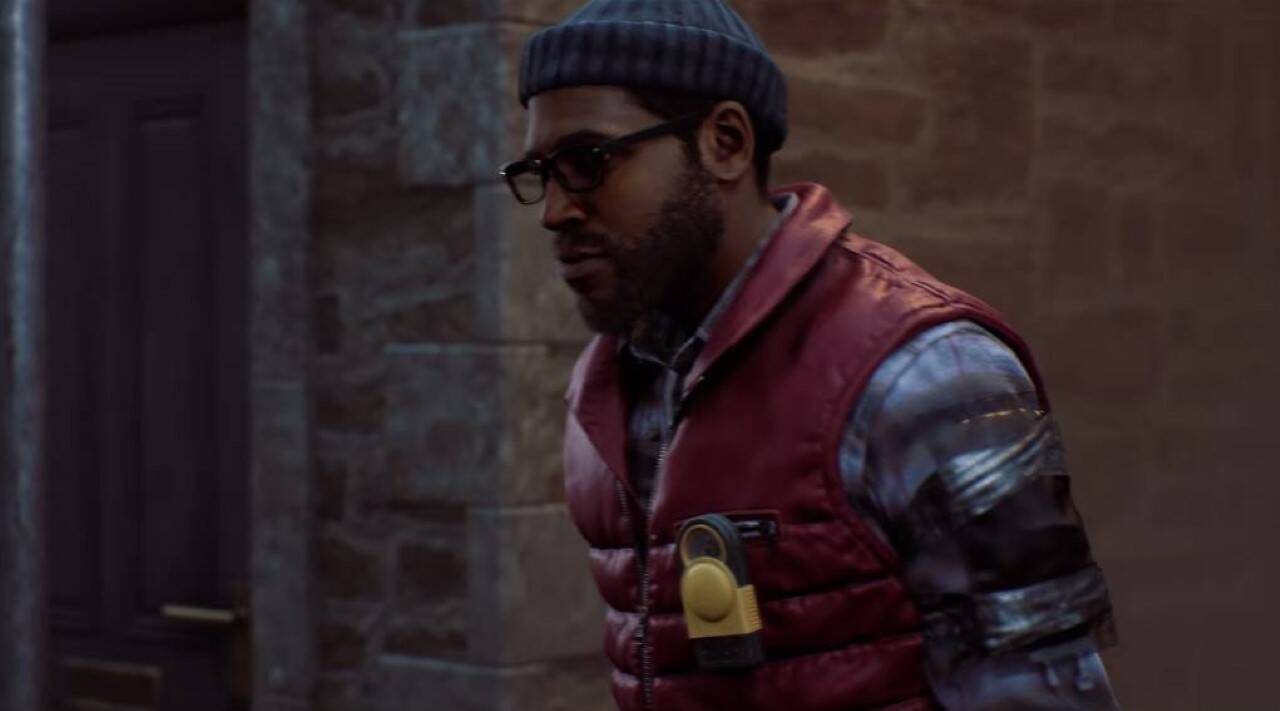
Konami saw its upcoming computer release Silent Hill: Townfall cracked and uploaded to peer-to-peer file sharing networks 48 hours ahead of its planned debut. Online users bypassed digital storefront authentications to run the game without standard license checks on Windows systems. The premature leak circulated across decentralized file transfer hubs without authorization.
Dedicated cracking groups dismantled executable restrictions from the core software package before digital retailers opened legitimate sales channels. This breach allowed completely functional copies of the title to spread across external mirrors and private web repositories.
Piracy networks distribute unlocked files across global forums
Files for the psychological horror game leaked across community discussion boards in their entirety. Unofficial download links populated web directories while participants uploaded file hashes to verify authenticity. The files spread quickly.
Forum members posted gameplay screenshots and boot logs to prove that security mechanisms had been bypassed. Early user tests confirmed that the altered executable launched without checking in with central Konami validation servers. This early availability dismantled the planned commercial rollout for the personal computer release. Additional technical logs validated that system checks remained completely silent during gameplay.
Players reported fast download speeds through publicly indexed torrent trackers that hosted direct magnet connections. Data transfers surged after community scans verified that the shared installation files contained no malicious code or unwanted software.
Security barriers bypassed without secondary protection software
While major video game publishers frequently implement heavy anti-tamper technologies to shield commercial releases from unauthorized digital distribution, fundamental architectural vulnerabilities often allow specialized reverse engineers to locate exploitable entry points within unencrypted computer software packages. The release of Silent Hill: Townfall omitted secondary anti-piracy solutions such as Denuvo. That missing layer enabled engineers to strip executable restrictions within hours of accessing raw data files. The cracking group subsequently posted full operational instructions on open online boards.
Standard digital rights management protections routinely fail within hours when examined by skilled cracking groups. Konami remained silent and issued no public statement regarding the premature spread of the installation package.
Technical specifications confirmed in leaked computer build
- Platform identified in archives: PC with Windows support.
- Timing of early release: 48 hours prior to launch.
- Cracking methodology applied: removal of executable DRM restrictions.
The distributed installer features the entire software build, including full narrative cutscenes, soundtrack assets, and uncompressed video sequences. Forum benchmarks demonstrate that graphical performance aligns with standard developer recommendations across modern hardware configurations. Multiple players reported completing full chapters and navigating game environments without encountering game-breaking glitches.
Independent studio No Code spearheaded primary development alongside co-publisher Annapurna Interactive. The Scottish development team collaborated on structural design while Konami oversaw overarching franchise direction.
Psychological horror brand expands through external studios
The psychological horror series originated in 1999 on the original PlayStation console. Since that debut, the franchise spawned dozens of mainline sequels and spin-off entries across several hardware generations. Townfall serves as a narrative departure created to present fresh lore to a broader international audience. Production teams structured the title to diverge from earlier timeline events.
Konami structured the modern revival of the Silent Hill brand by contracting international teams situated in the United Kingdom and the United States. Mirror servers hosting the unauthorized software packages continue operating across multiple offshore web networks.





