
Xiaomi launches Redmi Note 17 Pro Max with 9,210 mAh battery

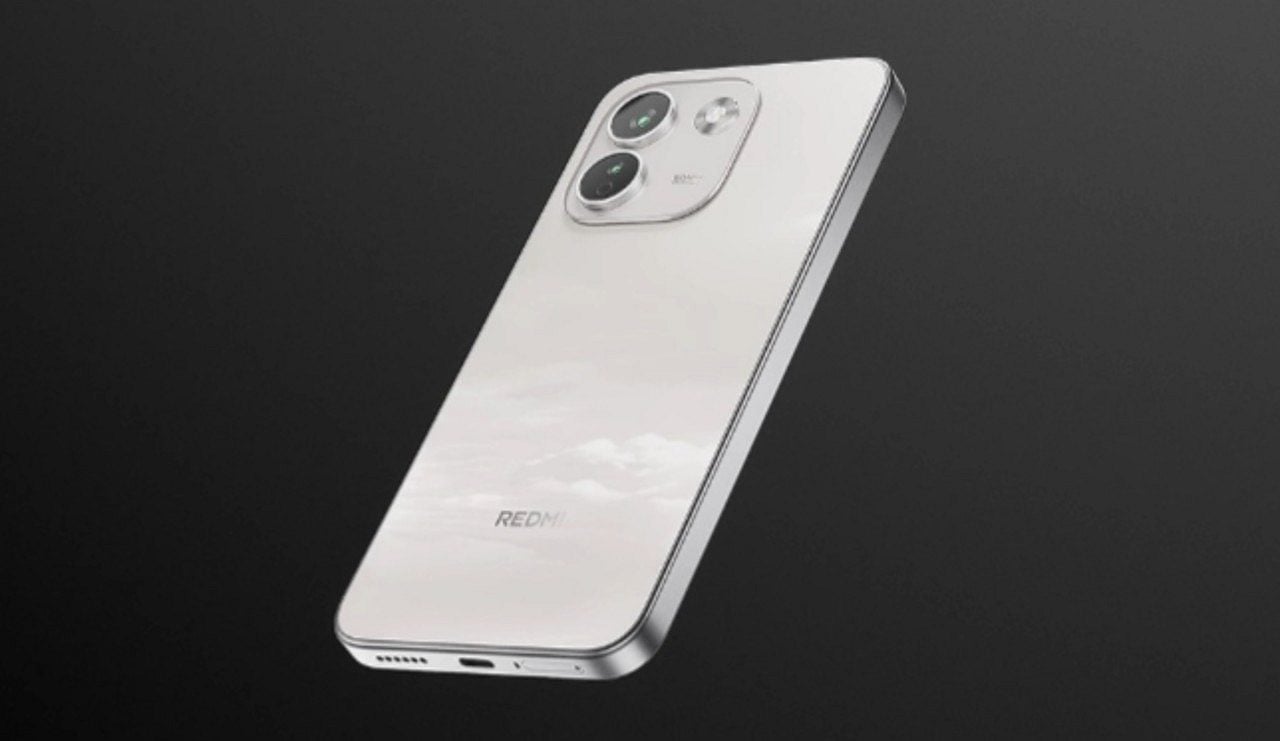
Xiaomi released the Redmi Note 17 Pro Max in global markets on Thursday, prioritizing energy capacity over high-tier camera sensors. The device incorporates a 9,210 mAh silicon-carbon power cell engineered to deliver more than 48 hours of continuous operation away from wall outlets. Engineers paired the dense component with a 100 W wired quick-charging architecture to shorten replenishment intervals. The phone targets users who require persistent connectivity in remote operational zones. It charges at 100 watts.
The rest of the hardware package adopts modest parameters to offset production expenses associated with the battery system. A 6.83-inch AMOLED panel displays visual content through the native HyperOS 3 software interface. Qualcomm supplies the core processing duties through a mid-range Snapdragon 6 Gen 5 platform.
Hardware targets endurance instead of raw computational power
The equipment specifically serves field workers, logistics operators, and frequent commuters needing physical resilience alongside prolonged battery performance. These professional groups gain extended runtime through the 9,210 mAh capacity supported by heavy chassis reinforcements. Operating without an electrical connection for consecutive days remains the primary function of this engineering layout. Field tasks proceed uninterrupted by power shortages.
Demanding mobile gamers and visual creators confront definite constraints when operating this hardware configuration. The Snapdragon 6 Gen 5 processor exhibits computational limitations against rival chipsets in similar pricing categories. Xiaomi also omitted the previous 200 MP primary camera module and removed optical telephoto hardware completely.
Retail pricing sets high entry threshold for mid-tier specifications
Xiaomi established the official starting price for the variant with 16 GB of RAM and 512 GB of internal flash storage at R$ 6,999. That price structure positions a device built on mid-range silicone into the same commercial tier occupied by flagship handsets. Entry models carrying smaller system memory allocations align closer to an estimated R$ 3,000 component valuation. Buyers must weigh the value of pure battery longevity against computational speed.
Direct alternatives deliver significantly faster processing platforms alongside superior camera packages within that expenditure range. Samsung markets the Galaxy S25 Ultra at retail points around R$ 5,000 with more advanced imaging sensors. Purchasing this specific phone requires a clear operational need for extended battery reserves, reinforced chassis shielding, and high-brightness AMOLED panels.
Durability ratings and silicone chassis engineering
The manufacturing architecture utilizes a rigid external frame engineered to resist mechanical shocks and environmental exposure during field operations. Structural engineering incorporates high-strength components to ensure survivability in demanding outdoor workplaces.
- Front display surface protected by Corning Gorilla Glass Victus 2
- Certified ingress resistance under official IP66, IP68, and IP69 testing protocols
- Verified structural drop resistance from heights up to three meters on test surfaces
- Internal silicon-carbon chemistry providing 9,210 mAh of energy storage
Certified environmental protection ratings significantly reduce moisture hazards during heavy rain or industrial washdowns. These laboratory certifications diminish operational failures without providing absolute immunity against extreme mechanical shocks.
Discharge tests demonstrate multi-day operational autonomy
Empirical laboratory tests conducted under continuous workload cycles verified runtime exceeding two full operating days on single charges. The Americas market variant features the complete 9,210 mAh capacity without regional downscaling. High-load operational routines consumed 13% of total stored power across four consecutive hours of active processing.
Continuous heavy tasks point to a total operating threshold of 28 consecutive hours before reaching total depletion. This power reserve sustains standard web navigation, video streaming, and office document manipulation across extended shifts. Standby state monitoring recorded an energy loss of 20% after remaining untouched for four days. Mobile workers can complete weekend excursions without packing external charging accessories.
Charging metrics record wired replenishment speeds
The bundled 100 W wired adapter pushes current rapidly into the phone despite the immense chemical volume of the battery. Power flows fastest during the initial phase of the cycle to assist users who have limited access to wall outlets. The system replenishes 25% of the power reserve in 15 minutes and achieves 45% capacity in 30 minutes. Reaching a complete 100% reading requires slightly over 60 minutes on the dedicated charger.

A brief refueling pause provides enough energy to sustain regular workplace communications for several operating shifts. The phone also supports 27 W reverse wired charging to supply accessories. Users can power secondary devices directly through an interface cable.
AMOLED screen properties and color calibration
The phone features a 6.83-inch AMOLED display operating at a native resolution of 1280 x 2772 pixels. A dynamic 120 Hz refresh rate governs panel animations alongside certified HDR10+ and Dolby Vision support. Peak luminance reaches 3,500 nits under specialized laboratory lighting environments.
Visual sharpness matches standard industry requirements, although factory firmware applies heavier color saturation than reference color profiles. General streaming media and reading functions operate smoothly under varying ambient conditions. Creative professionals working on photography assets must configure display settings manually to obtain balanced hues.
Snapdragon processor benchmarks in daily tasks and gaming
The Snapdragon 6 Gen 5 system-on-chip utilizes a modern 4-nanometer manufacturing node to manage core platform duties. Configurations include up to 12 GB of operational RAM combined with 512 GB of internal data storage. The chipset processes standard productivity software and social platforms without UI stutter.
Graphic-intensive applications such as Genshin Impact and Where Winds Meet trigger hardware throttles unless settings remain at intermediate levels. Sustained gaming sessions produce noticeable frame drops when visual rendering workloads push beyond mid-tier presets. Users seeking dedicated gaming performance find stronger graphics silicon in the Poco X lineup.
Camera configuration omits telephoto glass for basic setup
Xiaomi scaled back the photographic department to balance production expenses and internal space constraints caused by the larger battery. The primary camera array employs a 50 MP sensor with an f/1.5 aperture lens and optical image stabilization. An 8 MP ultrawide lens sits adjacent to the main module, while a 32 MP front sensor handles video conferencing. Daylight photography captures realistic color profiles and sharp edges across common subjects.
The lack of a dedicated telephoto assembly forces the system to execute two-times digital crops directly from the 50 MP sensor. Visual definition degrades quickly across longer zoom distances in dim lighting conditions. High-contrast environments reveal limited dynamic range when bright light sources compete against shaded areas.
Video capture modes and integrated system software
The camera unit records 4K video clips at 30 frames per second alongside standard 1080p capture modes. Opting for 1080p recording at 60 frames per second improves motion fluidity during tracking movements. The integrated internal microphones pick up noticeable wind interference when recording in exposed open spaces.
Google Android 16 operates beneath Xiaomi HyperOS 3 to manage background threads and wireless connections. The interface includes artificial intelligence tools for object extraction and automated cloud replacements. Xiaomi bundles several pre-installed vendor utilities that claim internal storage immediately upon initial system startup.
Hardware comparison with segment competitors
Smartphone shoppers evaluating photography and pure graphics performance require alternative models containing higher-tier processors. Competing devices present different design priorities that balance battery scale against imaging flexibility.
The Jovi V70 and the Oppo Reno 16 offer versatile multi-sensor camera hardware at the expense of energy capacity. Xiaomi selected the Pro Max moniker specifically to signal abnormal battery volume rather than elite imaging capabilities.





