
Trump administration starts issuing $500 health insurance refund checks

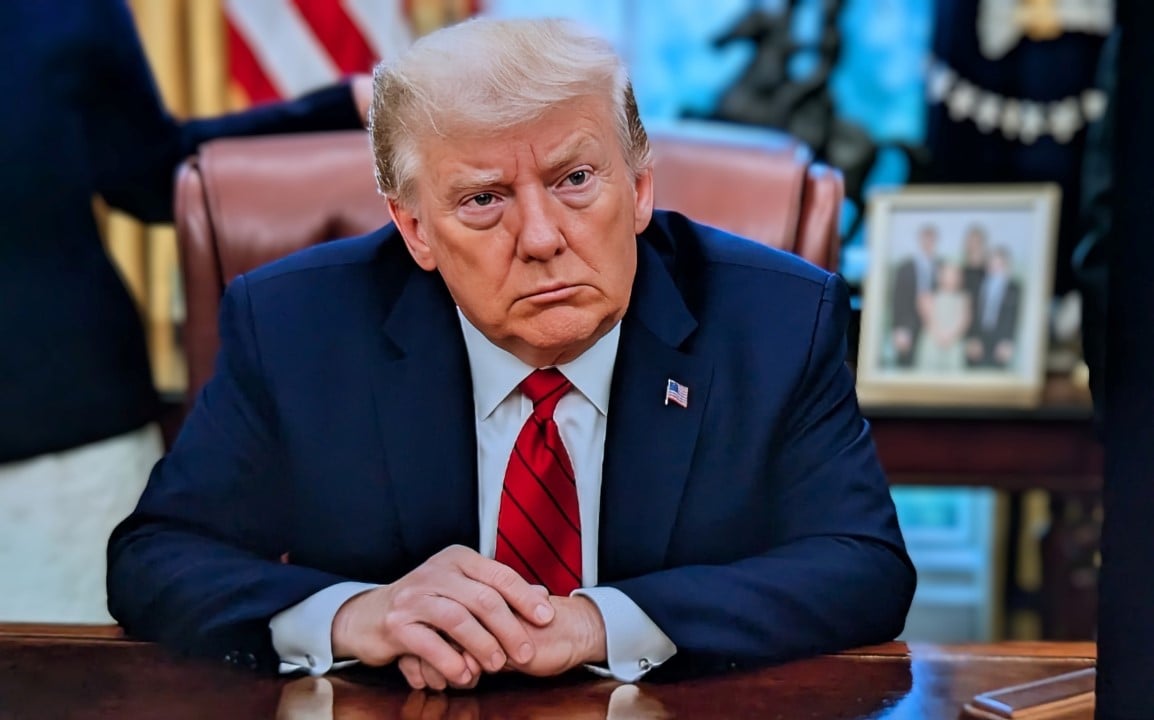
The Department of the Treasury began mailing $500 health insurance refund checks to more than 950,000 Americans across 30 states on Wednesday (30). The payments go out alongside personal letters signed by President Donald Trump, allocating roughly $500 million in federal disbursements five weeks before the November midterm elections.
Recipients receiving the disbursements are consumers who enrolled in individual coverage through the federal Affordable Care Act exchange in 2026 and paid the full cost of their monthly premiums without receiving federal subsidies. The White House stated that the disbursements automatically reimburse policyholders for operational user fees collected during the previous administration of former President Joe Biden to maintain HealthCare.gov.
Affordable Care Act user fees and eligibility rules in 30 states
Eligibility for the $500 payment is strictly limited to enrollees in the 30 states where the federal government directly manages the insurance marketplace. Residents living in the remaining 20 states do not qualify for the refund checks because their regional governments run state-based marketplaces where federal user fees are not assessed. Furthermore, an estimated 18 million participants in the individual marketplace are excluded from the payout because they received federal premium tax credits or enrolled through state-level systems, meaning the distribution reaches roughly 5% of the nation’s 19 million individual market policyholders.
Learn more: Donald Trump’s evolving stance: A critical shift in US-Mexico relations for his potential second term
The White House confirmed that the vast majority of recipients earn around 400% of the federal poverty line, representing annual incomes near $64,000 for an individual or $132,000 for a family of four, with a limited group of recipients earning between 100% and 400% of the federal poverty line.
See also: Donald Trump announces ‘AI Force’ initiative and a dedicated artificial intelligence tsar for the US
- Qualifying states: Alabama, Alaska, Arizona, Arkansas, Delaware, Florida, Hawaii, Indiana, Iowa, Kansas, Louisiana, Michigan, Mississippi, Missouri, Montana, Nebraska, New Hampshire, North Carolina, North Dakota, Ohio, Oklahoma, Oregon, South Carolina, South Dakota, Tennessee, Texas, Utah, West Virginia, Wisconsin, and Wyoming
- Excluded jurisdictions: 20 states operating independent health insurance exchanges outside the direct fee structure of HealthCare.gov
- Payment method: Automatic physical checks issued by the Department of the Treasury, requiring no application from eligible individuals
- Distribution timeline: Shipments initiated on September 30, 2026, with initial deliveries expected in residential mailboxes starting Thursday (1)
Donald Trump signs letters accompanying federal refund checks
Each check arrives with an official notification signed by President Donald Trump explaining the rationale behind the payment and criticizing the previous administration’s handling of marketplace revenues. In the correspondence sent to recipients, Trump stated: “For years, the Biden administration overcharged you to fund the operation of HealthCare.gov. That money belongs to hard-working Americans, not the Government, and now I’m returning it to you!”
Check out: Donald Trump crypto bill stalls in US Senate vote on Sept 15
The letter also addressed the rising expenditures faced by families who purchase coverage directly on the individual market without government assistance. “You have paid into this flawed System, and now you are finally getting something back,” the text added. The message concluded with a direct pledge to consumers: “I am proud to return your money to you, and I will never stop fighting to put the American People FIRST, restore Affordability, protect your hard-earned money, and lower the Cost of Healthcare. May God bless you, and may He continue to bless the United States of America.”
Financial debates over HealthCare.gov operational surpluses
The administration asserted that the money used to finance the $500 disbursements originates from excess user fees collected from private insurers during the Biden administration to fund the infrastructure of HealthCare.gov. Federal officials argued that insurance carriers passed these operational charges down to customers through higher monthly plan premiums, leaving the federal exchange holding an unspent financial surplus that should have been redirected back into consumers’ bank accounts earlier.
The White House defended the initiative in an official release: “President Trump is delivering on promises to lower costs for American patients by putting them first and taking on big health insurance companies, drug manufacturers and other corporate giants that have used the status quo in Washington to raise healthcare costs for Americans.” However, neither the White House nor the Department of the Treasury has released detailed accounting records or independent audit findings documenting the exact financial scale of the operational fee surplus accumulated under the previous administration.
Subsidy expiration and rising medical expenses in 2026
The distribution of the checks takes place against the backdrop of broad healthcare price increases that took effect after enhanced Affordable Care Act tax credits expired on December 31, 2025. When the Republican majority in the United States Congress declined to renew the expanded subsidies that had been put in place during previous legislative sessions, millions of middle-income Americans lost premium financial assistance and faced sharp monthly cost increases, creating what policy analysts described as an acute financial cliff for policyholders earning above 400% of the federal poverty line.
Healthcare policy researchers, including Larry Levitt, executive vice president for health policy at the Kaiser Family Foundation, noted that a single $500 refund provides modest relief relative to the thousands of dollars in added annual premium expenses that unsubsidized middle-class families assumed starting in 2026. Because federal premium credits lapsed at the beginning of the year, unsubsidized households that experienced rate increases of several hundred dollars each month continue to bear higher overall annual healthcare burdens despite receiving the one-time Treasury check.
Midterm campaign timing and the separate dividend plan
The timing of the mailing comes precisely five weeks ahead of the federal midterm elections scheduled for Tuesday, November 3, 2026, as both political parties compete for control of the United States Congress. The cost of living and rising healthcare expenses have emerged as central political concerns for voters across the 30 states receiving the mailings, making insurance affordability a prominent debate topic for both chambers of the legislature.
Trump initially announced the $500 refund initiative on Thursday, September 10, 2026, in a video released in conjunction with a Republican gathering in Dallas. Administration officials clarified that this $500 program is distinct from a separate proposal floated by Trump to distribute a $5,000 dividend to all American citizens if the Republican Party preserves its majorities in the House of Representatives and the Senate in the upcoming election. Following the initial departure of payments on September 30, 2026, the Department of the Treasury expects the distribution cycle to continue throughout the early days of October as deliveries reach designated addresses nationwide.





