Resident Evil remakes will merge with numbered sequels as Capcom maps future lore

Capcom is orchestrating a structural narrative convergence across the Resident Evil franchise for the moment its ongoing wave of modern remakes catches up to the current mainline entries. Executive producer Jun Takeuchi confirmed the long-term production roadmap in a comprehensive statement published in Japan on Wednesday (30), featured in the 124-page official 30th-anniversary commemorative book Biohazard 30th Special Mook.
The Osaka-based publisher currently operates the horror property across two parallel development tracks, distributing studio resources between brand-new numbered sequels and modern reconstructions of classic catalog releases. This creative synchronization established its earliest shared story anchors across Resident Evil Village and Resident Evil Requiem, which arrived globally on February 27, 2026.
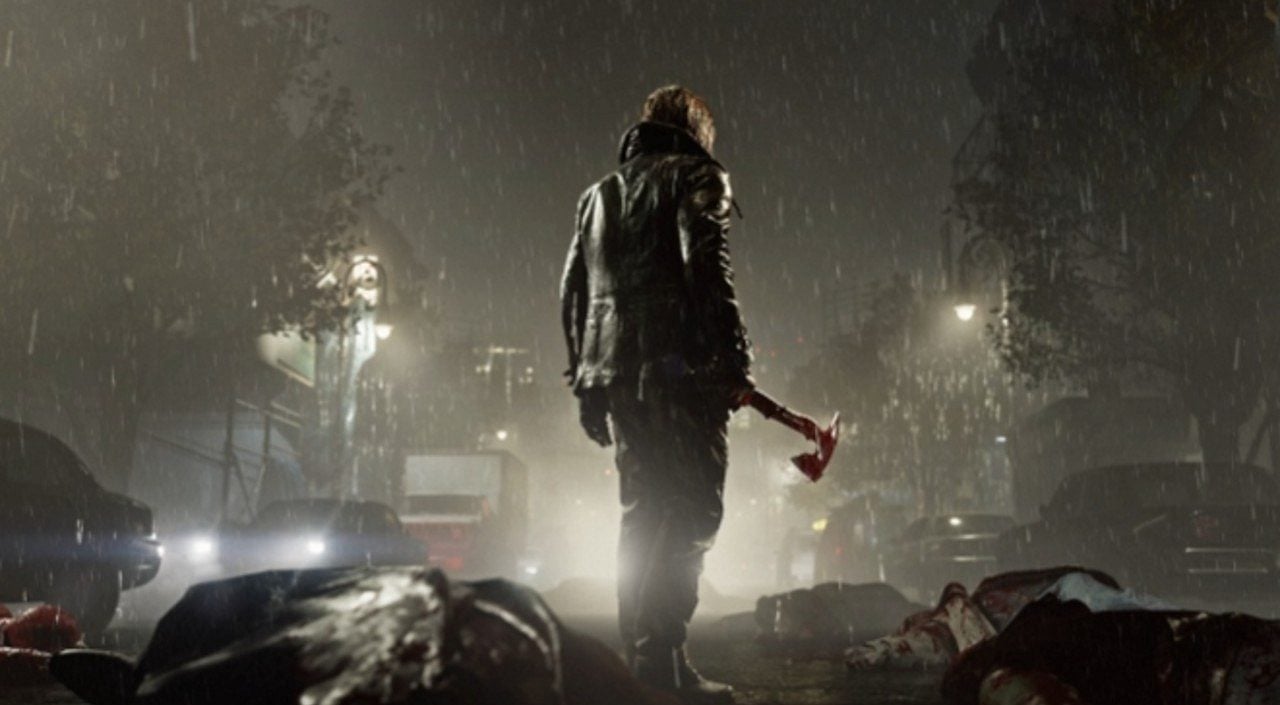
Long-term blueprint connects classic rebuilds with contemporary franchise lore
Development leadership recognized early that uniting both timelines would require extensive advance preparation rather than an abrupt conceptual shift. Inside the commemorative volume, Takeuchi explained that production units anticipated this timeline overlap years in advance, deliberately inserting foundational plot devices into modern releases so that the eventual narrative junction feels entirely organic to audiences that joined the series following its seventh main installment.
“Someday, the remake series will catch up with the era of the numbered titles, and we are already thinking about what we will do when that happens,” Takeuchi stated in the official Japanese publication. “In fact, we have been gradually preparing for that since around Resident Evil Village. The appearance of names such as Umbrella and Spencer, as well as the return of Raccoon City in Requiem, are also in preparation for a crossover.”
See also: Zach Cregger rules out comedic cut for $100M Resident Evil
The executive emphasized that enthusiastic community engagement with these narrative breadcrumbs transformed subtle background details into central pillars of Capcom‘s multi-year portfolio. “At first, we included these elements with the sense that they were fan service, but users were far more delighted by them than we had imagined, and they even began analyzing the thoughts that the development team had privately kept to itself,” Takeuchi noted. “So, as a series, we decided to respond to users’ expectations and pushed this setup further in Village and Requiem.”
Engine evolution in 2017 established modern foundation for franchise remakes
Capcom regards the launch of Resident Evil 7: Biohazard in 2017 as the defining technical and conceptual turning point for its modern production pipeline. That installment debuted the proprietary RE Engine framework and structured the design parameters that subsequently enabled high-budget reimaginings of Resident Evil 2, Resident Evil 3, and Resident Evil 4. Because that project was active when studio executives approved returning to legacy titles, it established the definitive historical boundary separating vintage gameplay structures from contemporary releases.
With that technical boundary firmly set, the company maintain an ongoing pipeline for heritage projects. The next scheduled remake in development is Resident Evil Veronica, a complete reconstruction of the year 2000 title Resident Evil: Code Veronica. The official project unveiling generated widespread consumer attention, surpassing 2 million digital wishlist registrations across storefronts ahead of an expected release targeted for 2027 by industry tracking sources.
Check out: Resident Evil set accident nearly strikes actor Austin Abrams
Key details from anniversary book and state of current Resident Evil releases
- Official source material: Biohazard 30th Special Mook, a 124-page commemorative publication released in Tokyo.
- Latest mainline entry: Resident Evil Requiem, released on February 27, 2026, marking the story return of Leon S. Kennedy.
- Next confirmed classic release: Resident Evil Veronica, exceeding 2 million digital wishlists ahead of a projected 2027 window.
- Foundational narrative bridges: Resident Evil Village and Resident Evil Requiem, reintroducing corporate lore tied to the Umbrella Corporation and Oswell E. Spencer.
Unconfirmed franchise remakes remain outside official release calendar
Despite outlining this unified direction, Capcom has not committed to a definitive launch day or month for Resident Evil Veronica on commercial distribution networks. Furthermore, the Japanese publisher has refrained from confirming new editions for older chapters such as Resident Evil 0, Resident Evil 1, Resident Evil 5, or Resident Evil 6, leaving those prospective titles confined to industry reporting and insider commentary.
Regarding Resident Evil 5, industry analysts estimate that a full-scale ground-up reimagining would demand an active production cycle of at least five years from greenlight to commercial rollout. In the immediate term, studio leadership remains focused on delivering the story arcs already scheduled across its established publishing pipeline.