
Xiaomi 18 clears certification with a massive 7,200 mAh cell

Regulatory agencies in China have registered the initial approval documentation for the standard Xiaomi 18, exposing preliminary technical specifications before its formal presentation. The standard flagship runs on the Qualcomm Snapdragon 8 Elite Gen 6 processor and introduces a 7,200 mAh battery, representing a major capacity jump compared to previous conventional models from the Chinese manufacturer. The regulatory filing establishes the base hardware profile for the device as it completes mandatory telecommunications compliance steps.
Official registration records place the commercial rollout of the handset around mid-December 2026 across Asian distribution channels. That launch window aligns with several competing releases scheduled for the end of the year, including the Motorola Razr Flex foldable and new additions to the POCO X8s catalog. During the same period these filings surfaced, Chinese retail markets recorded the debut of the Huawei Mate 90 series, alongside supply chain movements preparing retail stock for the upcoming release of Grand Theft Auto 6 on home consoles.
Regulatory filings reveal Leica optics and compact display on standard flagship
Documentation submitted to certification databases shows that the standard Xiaomi 18 discards the secondary rear screen found on upper-tier variants of the lineup in order to preserve a traditional chassis profile. The front panel features a 6.4-inch AMOLED display capable of reaching peak brightness levels of up to 4,000 nits. The screen also integrates a directional privacy filter designed to narrow side viewing angles and block onlookers from viewing on-screen content. Storage and processing configurations submitted for regulatory evaluation include options that scale up to 16 GB of RAM paired with 1 TB of internal flash storage.
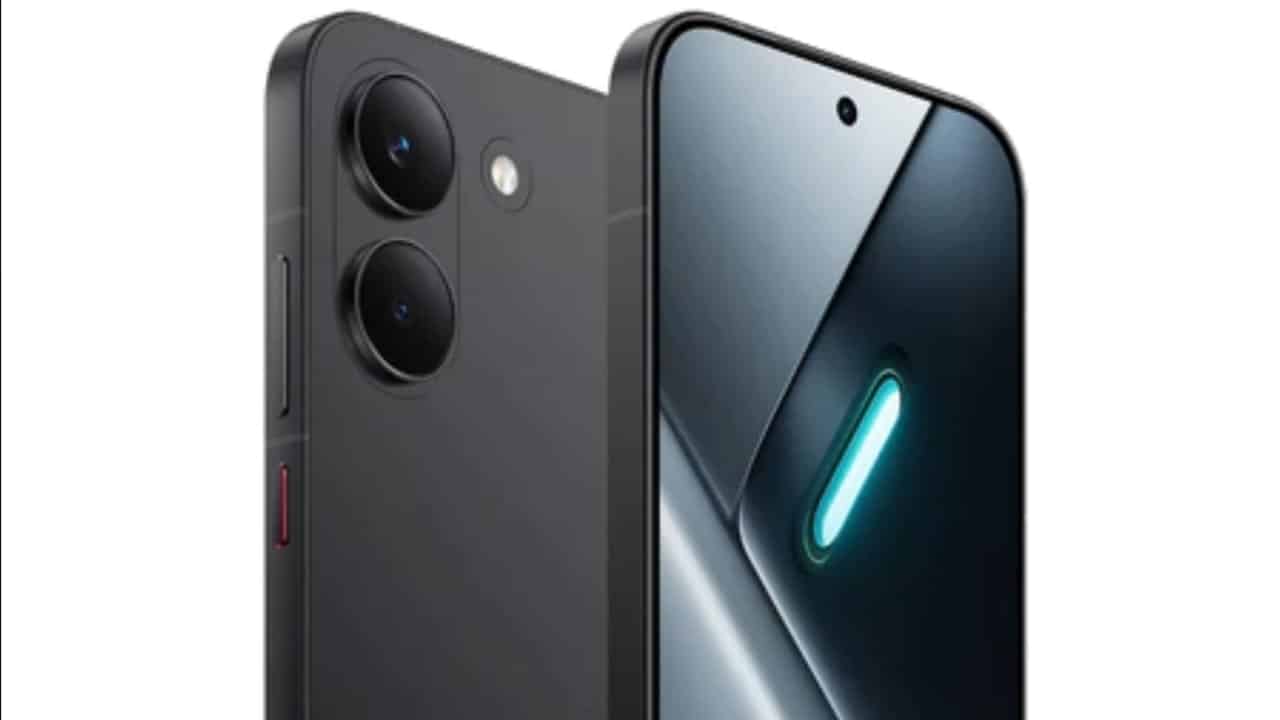
The camera array, designed in technical partnership with German optics specialist Leica, features a triple-sensor module arranged across the rear casing. The primary camera utilizes a 200 MP sensor, supported by a 50 MP ultrawide module and an additional 200 MP telephoto lens designed for long-range optical reach. Powering the camera hardware and the Snapdragon 8 Elite Gen 6 platform is the internal 7,200 mAh power pack, configured to manage the processing demands of the proprietary HyperOS operating system.
Read also: GTA 6 interactive map lets players explore Leonida before launch
Motorola prepares wide folding chassis under Parker codename
Beyond the filings logged by Xiaomi, supply chain leaks documented technical parameters for the Motorola Razr Flex, known inside development teams under the codename Parker. The device represents the first attempt by Motorola to enter the wider book-style foldable category, directly taking on competitors such as the Samsung Galaxy Z Fold 8. The device incorporates a flexible 6.92-inch internal OLED screen with a refresh rate of 165 Hz, accompanied by a 4.94-inch outer OLED panel for interaction without unfolding the main chassis.
Structural assembly for the foldable includes certified IP48 and IP49 ingress ratings, designed to shield the internal mechanical hinge and circuit boards against solid debris and pressurized water. Internal processing relies on the Qualcomm Snapdragon 8 Gen 5 processor, supported by 12 GB of RAM and 256 GB of onboard storage. The internal power setup utilizes a combined 5,000 mAh capacity split across two distinct cells to balance mass across both halves of the folding frame, accompanied by 25W Qi standard wireless charging support.
Hardware breakdown for the incoming book-style Motorola handset
- Screens: 6.92-inch 165 Hz flexible OLED internal display alongside a 4.94-inch external OLED panel
- Processing and memory: Qualcomm Snapdragon 8 Gen 5 platform, 12 GB RAM, and 256 GB built-in storage
- Rear cameras: 50 MP primary imaging unit with 30x digital magnification and a 50 MP ultrawide sensor
- Front cameras: dual independent 32 MP capture lenses
- Battery and charging: 5,000 mAh split-cell layout with 25W wireless charging compatibility
- Operating software and rating: factory Android 17 installation with IP48 and IP49 protection standards
Industry certifications span mid-range hardware alongside flagship launches
Regulatory certification efforts also extended to the POCO sub-brand, which secured telecommunications clearances for the POCO X8s under model numbers 2609CPC5FG for international territories and M583CF for mainland China. The official documentation validates internal support for 5G cellular bands, dual-band Wi-Fi, Bluetooth, and contactless NFC hardware for point-of-sale transactions. The POCO handset includes a 50 MP main rear imaging sensor supporting ultrawide capture and 2.5x optical zoom, backed by an estimated 8,000 mAh battery cell and the Android 17 platform running underneath the HyperOS 4 interface.
Keep reading: GTA 6 collector edition pre-orders open at $400 with physical collectibles but no copy of the game
Retail channels in China saw Huawei formally introduce four distinct editions of its Mate 90 family, comprising the base Mate 90, the Mate 90 Pro, the Mate 90 Pro Max, and the luxury Mate 90 RS Ultimate Design. These top-tier models incorporate LTPO OLED panels achieving up to 12,000 nits of peak illumination, proprietary Kirin 9050 Pro processors, and telephoto sensors reaching 200 MP, with base prices starting at the local equivalent of R$ 4,635. Concurrently, video game retail chains abroad began receiving promotional shipments for Grand Theft Auto 6, confirming that physical retail boxes for the PlayStation 5 will not contain an optical disc, providing an activation voucher for digital pre-loading starting November 12, 2026, ahead of the global street date set for November 19, 2026.
Publisher Rockstar Games has not disclosed the final storage volume required to install Grand Theft Auto 6 on home console drives. Commercial retail pricing for the Motorola Razr Flex and the Xiaomi 18 remains unannounced for Latin American markets, maintaining the broader international presentation timeline aimed at December 2026.


