Dreaming of deceased loved ones reveals three key emotional signals
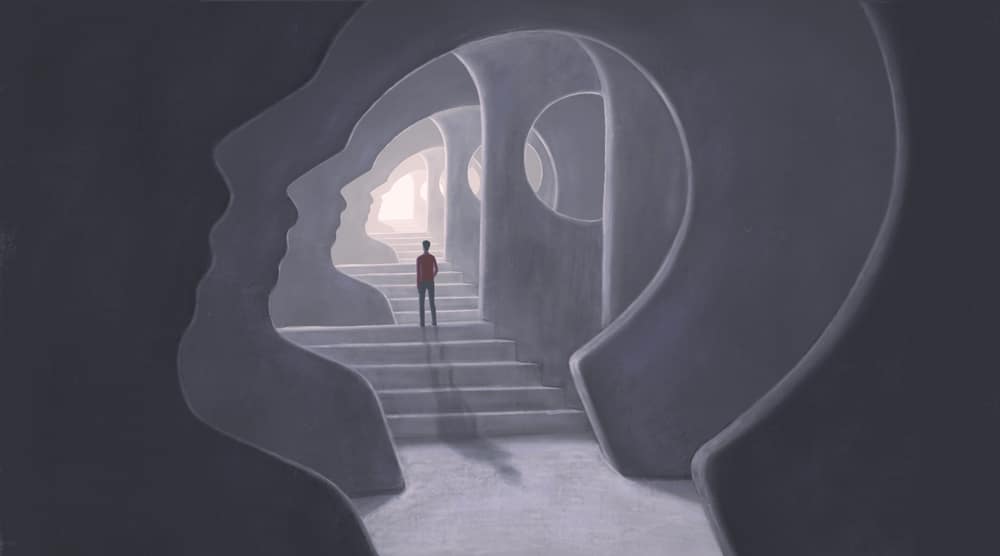
Dreams featuring deceased loved ones remain among the most intense and emotionally charged experiences reported by individuals across different cultures and age groups. Rather than simple random nocturnal memories, these recurring nocturnal visions serve as symbolic manifestations of internal psychological realities that demand conscious reflection. Human memory and the unconscious mind preserve extensive records of lived relationships, replaying familiar faces and shared histories in ways that often seem illogical or startling upon waking.
This internal disconnect occurs because the unconscious mind operates through symbolic language rather than through the linear, rational syntax people utilize during waking conversations. While everyday communication prioritizes functional logic, mental processing during sleep relies on allegorical figures, archetypes, and emotional residue. Consequently, mental health professionals analyze these experiences through both universal human archetypes and the deeply idiosyncratic history connecting the dreamer to the person who passed away.
Within analytical psychology, the archetype of death rarely indicates an omen of literal mortality, pointing instead toward profound personal transformation and psychic rebirth. When an individual appears in a dream after their physical departure, the mind often uses that figure to mark the death of an outmoded attitude or the forced beginning of a new developmental cycle. How a person interprets that encounter depends entirely on their current emotional burdens, their unresolved relational ties, and the specific stage of bereavement they currently navigate.
Three primary psychological dynamics behind dreams of the deceased
Clinical observations and psychological literature identify three central emotional motivations behind dreams involving people who have passed away. These manifestations consistently revolve around the processing of profound longing, the formal closing of life cycles, and the management of lingering, unresolved conflicts. The loss of an attachment figure disrupts daily life, making the internal reorganization of that bond a prolonged and cognitively demanding process for the human psyche.
- Profound emotional longing and the gradual integration of the loss into daily identity.
- The conclusion of specific personal stages, habits, or professional partnerships requiring mental adaptation.
- Unresolved emotional business, unspoken sentiments, and persistent feelings of interpersonal guilt.
The first dynamic reflects natural grief, functioning as an internal space where the bereaved person can experience emotional release and confront painful absences. The second dynamic relates to transitional phases where external circumstances or internal personality traits must symbolically die to make room for healthier patterns. Finally, the third dynamic confronts the dreamer with lingering regret, serving as a psychological catalyst to address unresolved issues and move forward in waking life.
What the appearance of a deceased father signifies for personal stability
A deceased father appearing during sleep generally reflects questions of authority, personal direction, and internal structure. In psychological analysis, paternal figures symbolize discipline, guidance, and the capacity to confront hardship in the external world. When this figure returns in a dream, it frequently indicates that the dreamer is passing through an unsettling transitional phase requiring renewed emotional discipline.
These dreams carry dual aspects depending on the emotional atmosphere of the encounter. While the dream can signal an impending need for personal resilience during difficult times, it also serves as reassurance that current turbulence represents a temporary phase rather than permanent defeat. Dreams of this nature often urge individuals to seek trusted counsel and rebuild their internal confidence, signaling a period of steady personal growth and renewed family cohesion.
Psychological roots of dreaming about a deceased mother
Encounters with a deceased mother in sleep touch the deepest layers of security, emotional nurture, and psychological protection. Beyond expressing the natural and persistent grief felt for maternal loss, this scenario frequently highlights the symbolic dismantling of the dreamer’s internal defense mechanisms. The maternal archetype represents safety and unconditional acceptance, yet an excess of internal caution can paralyze personal development.
When an individual dreams of their deceased mother, the subconscious mind often signals that an overly protective internal pattern is stifling ambition and decisive action. The dream acts as an invitation to reevaluate personal priorities and determine whether fear is delaying significant life achievements. By letting go of safe but limiting behaviors, the dreamer creates psychological space to pursue long-term ambitions with courage and clarity.
Sibling figures and the reclamation of suppressed personal truth
Dreams featuring a deceased brother or sister typically reflect the parts of oneself that have been pushed away from conscious expression. Siblings serve as developmental mirrors in life, representing peer relationships, shared origin, and unfiltered authenticity. Seeing a departed sibling suggests that the individual may be concealing critical aspects of their true personality to conform to external expectations.
Suppressing core identity traits, desires, or creative impulses carries measurable psychological distress and can eventually produce severe emotional exhaustion. This type of dream reminds the individual to cultivate self-knowledge and communicate honestly with those in their immediate environment. It highlights the importance of leaning on trustworthy companions while summoning the self-confidence needed to express deeply held convictions without fear of judgment.
Wisdom and resilience represented by departed grandparents
Grandparents hold a unique place in personal dream imagery, representing ancestral continuity, accumulated resilience, and mature perspective. When a deceased grandfather or grandmother emerges in a dream, the emotional core of the experience often blends nostalgic warmth with quiet introspection. The presence of these elder figures points to enduring life lessons that remain relevant to current challenges.
Because grandparents represent long journeys marked by numerous setbacks, adaptations, and triumphs, their dream presence signals that the dreamer possesses the internal strength to outlast present hardships. The subconscious evokes their image to remind the individual of their own resilience and capacity for patience. Experiencing this dream confirms that previous life difficulties have already contributed to meaningful emotional maturity.
Extended family members and lingering relational obligations
When the dream involves deceased uncles, aunts, cousins, or in-laws, the core focus generally shifts toward unresolved family dynamics and unexpressed words. The loss of extended relatives can leave lingering feelings of unfinished communication, particularly if the death happened suddenly or during an estrangement. The unconscious mind revisits these bonds to process the reality of death and ease relational tensions that were never verbalized.
Such dreams often evoke a painful realization that certain conversations can never occur in waking reality, creating an urge to alter what cannot be changed. Mental health clinicians emphasize that the healthy response to these nocturnal visions involves accepting the finality of physical events rather than dwelling on self-reproach. Releasing the fantasy of retroactive correction allows the dreamer to focus their emotional energy on current relationships.
Dreaming of acquaintances and the release of past bitterness
Encountering a deceased acquaintance or former colleague points less toward acute bereavement and more toward unresolved interpersonal bitterness or lingering nostalgia. These dreams indicate that the dreamer continues to carry emotional baggage, grievances, or unresolved competitions from the past that compromise daily peace of mind. Holding on to historical grievances depletes focus and keeps cognitive patterns trapped in obsolete chapters.
The presence of an acquaintance who has passed away serves as a functional prompt to terminate lingering resentment and adopt a present-oriented focus. Reliving past grievances produces no tangible benefit for future endeavors. Acknowledging the feelings stirred by the dream allows the individual to cut emotional ties to old rivalries and dedicate their mental resources toward building balanced living conditions.
Keep reading: Authorities probe suspected overdose in death of model Presley Gerber, son of supermodel Cindy Crawford
The symbolic meaning of an unknown deceased person
Seeing a deceased stranger in a dream represents one of the clearest indications of major life transitions and the termination of outdated identity cycles. Because the dreamer shares no emotional attachment with an unknown person, the deceased stranger functions purely as a psychological archetype of closure. This symbol marks the definitive end of a behavioral pattern, an outworn personal habit, or an unfulfilling relational commitment.
Recognizing the end of an important cycle requires emotional adaptability and the courage to release rigid attempts at control. Every completed cycle naturally clears a pathway for unfamiliar opportunities, personal reinvention, and new responsibilities. Rather than generating apprehension, dreams of unknown deceased figures encourage the individual to step into upcoming phases with realistic expectations and an open perspective.
Contrasting meanings of departed figures who smile or cry
The emotional demeanor displayed by a deceased figure provides critical insight into the dreamer’s internal psychological equilibrium. A departed loved one who appears smiling can represent healthy integration of the loss, demonstrating that the dreamer associates the memory of that person with gratitude and comfort. However, an unnaturally forced or unsettling smile can also expose deep denial, indicating that the conscious mind refuses to face the full finality of bereavement.
Conversely, a deceased loved one who appears crying reveals an urgent emotional need for renewal and the release of suppressed sorrow. Tears in dream language illustrate the breaking of emotional numbness, signaling that the individual must mourn openly to move forward. Working through these intense emotional presentations enables individuals to integrate both the light and difficult facets of their experiences, fostering genuine emotional maturity.
Addressing unresolved grief and unsaid words
One of the most persistent reasons people dream of the deceased is the weight of unresolved interpersonal issues, particularly when unspoken apologies or hidden truths were left in the relationship. When individuals hold back authenticity and postpone decisive conversations, sudden loss leaves a sharp residue of regret and remorse. The unconscious mind subsequently forces these tensions into awareness through vivid dream encounters.
Recognizing that physical absence prevents retrospective dialogue is an essential milestone in the healing journey. Prolonged feelings of guilt provide no constructive outcome and only generate chronic psychological fatigue. Finding healthy external avenues to articulate these suppressed feelings, whether through expressive writing or candid conversations with a trusted professional, remains the most reliable pathway to finding emotional peace after significant loss.