Florida confirms 252 local dengue cases in record mainland outbreak
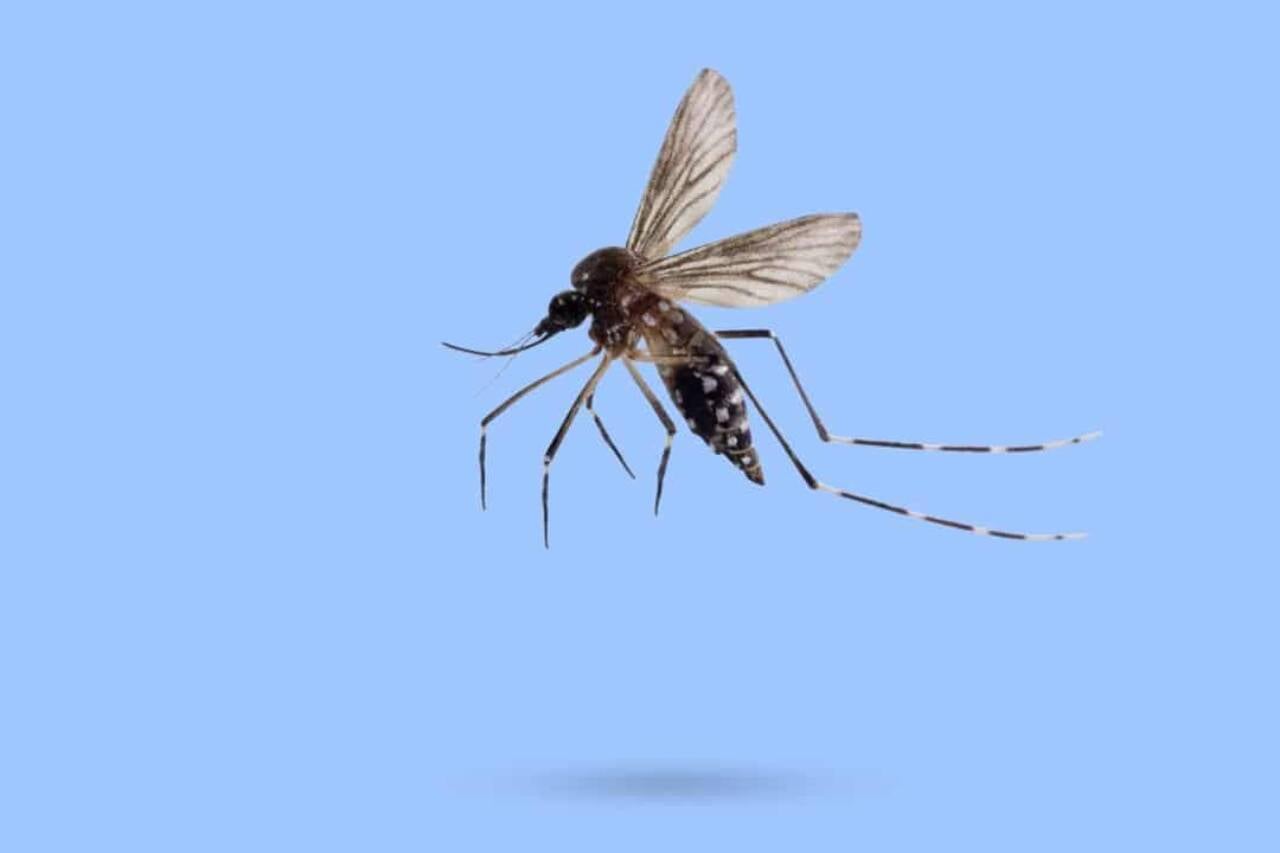
Health officials in Florida have identified 252 locally acquired dengue infections in 2026, marking the highest annual volume of domestic transmission recorded in the continental United States in multiple decades. The Florida Department of Health documented 62 new cases during the seven-day surveillance period ending September 26, 2026. More than 88 percent of all confirmed diagnoses in the state are concentrated in the Tampa metropolitan area, prompting intensive vector abatement campaigns across municipal boundaries.
Hillsborough County Administrator Bonnie Wise signed an official executive order extending the jurisdiction’s local state of emergency through Thursday, October 8, 2026. The administrative action enables county agencies to streamline mosquito containment operations and preserves eligibility for federal emergency expense reimbursements. Chris Wilkerson, a spokesman for Hillsborough County Mosquito Management Services, underscored the severity of the surge during a public briefing, stating that this level of transmission is extremely unusual for the region.
Hillsborough County reports 223 infections and first regional fatality in decades
Hillsborough County represents the primary focus of the outbreak, accounting for 223 confirmed instances of autochthonous transmission where patients were infected directly within the community. Ranked as the fourth most populous county in the state, the jurisdiction also recorded the death of an elderly female resident from Tampa who suffered severe medical complications linked to the illness. Public health records confirm that this fatality is the first documented death attributed to dengue in the Tampa Bay metropolitan area in nearly a century.
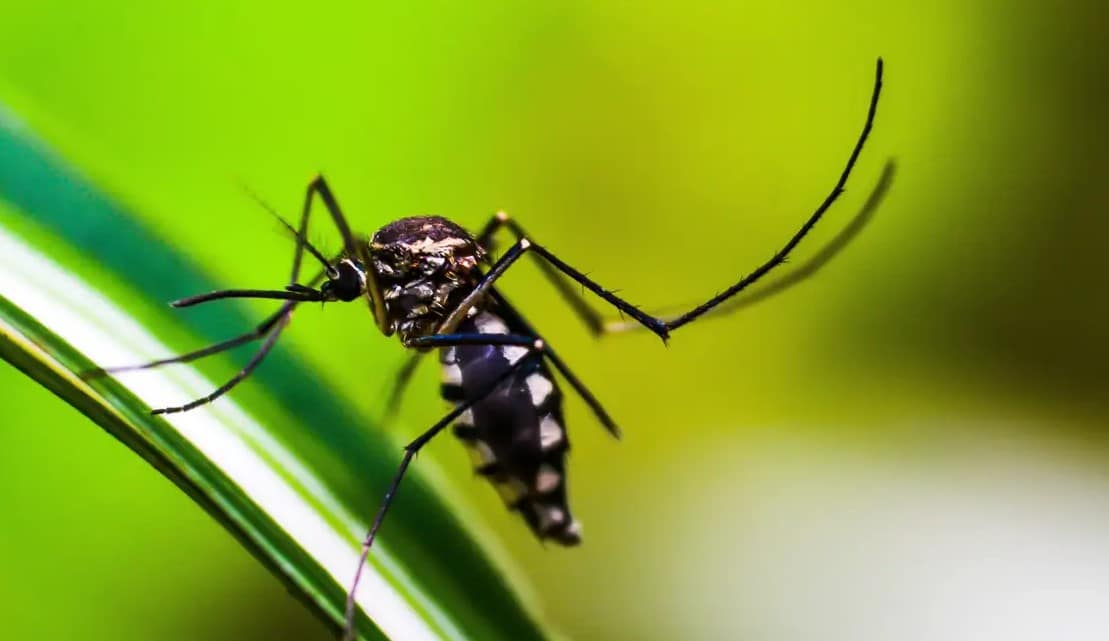
Neighboring municipal authorities have implemented similar containment protocols as local transmission spilled across county borders. Pinellas County, which has confirmed 13 domestic infections, and Pasco County, with three positive diagnoses, both enacted emergency declarations to accelerate chemical treatments. To address the operational strain on local crews, the Lee County Mosquito Control District deployed specialized personnel and helicopters to Hillsborough to carry out large-scale aerial applications of liquid larvicides and adulticides. Jenifer McBride, communications director for the Lee County district, explained that regional mosquito abatement teams routinely unite resources because flying insect populations do not observe administrative borders.
Follow: Samsung Galaxy S27 Ultra and S27 Pro case leaks expose horizontal camera redesign and Qi2 support
Clinical symptoms of infection and preventative actions for local residents
Dengue fever spreads to humans primarily through bites from infected female Aedes aegypti mosquitoes, an invasive vector common throughout subtropical regions. Guidance published by the Centers for Disease Control and Prevention indicates that while the vast majority of infected individuals experience mild or asymptomatic courses of illness, sudden physiological complications can arise. Typical symptoms include abrupt high fevers, intense muscle and joint pain, persistent headaches, pain located behind the eyes, nausea, and widespread skin rashes. Health practitioners advise any individual exhibiting these indicators to seek a timely medical evaluation at local clinical facilities.
Sanitation and vector control specialists in Hillsborough County have urged all property owners to maintain rigorous daily habits to suppress mosquito breeding cycles:
- Inspect residential yards weekly to empty, scrub, or discard any outdoor containers holding standing water.
- Apply topical insect repellents containing active ingredients registered with environmental regulatory agencies before heading outside.
- Wear loose-fitting long sleeves, long trousers, and closed shoes during peak outdoor mosquito activity periods.
- Check window and door screens across residential structures to verify that seals remain intact without tear damage.
Historical patterns of mosquito-borne transmission across the United States
The subtropical climate of Florida provides persistent warm temperatures and elevated humidity levels that naturally support seasonal mosquito life cycles, but the present cluster has broken historical records. Epidemiologists at the University of South Florida highlighted that the greater Tampa region had not documented a sustained chain of indigenous transmission of this magnitude since the 1930s.
Federal and state disease registries illustrate how domestic dengue patterns have fluctuated over past cycles:
Read also: Georgia Bureau of Investigation hunts suspects after Vienna shooting leaves 2 dead and 35 injured
- 1930: Health historians document the last major outbreak of sustained community transmission across the Tampa Bay area prior to the modern surge.
- 2015 to 2016: The state of Hawaii recorded 264 locally acquired cases across an active six-month period, setting a modern benchmark for domestic territory outbreaks.
- 2023: Florida closed its annual epidemiological balance sheet with 199 confirmed instances of autochthonous transmission.
- 2025: Surveillance teams across Florida documented 62 confirmed autochthonous infections during the twelve-month reporting period.
- 2026: Official data through September 26 documented 252 local cases in Florida and 2,145 total domestic infections tallied across all states and territories.
Laboratory confirmation of virus serotype 2 alongside international travel cases
Specialized diagnostic testing performed by state laboratories verified that 230 of the evaluated patient samples in Florida correspond to dengue virus serotype 2, known scientifically as DENV-2. Concurrently, statewide monitoring detected 245 travel-associated dengue cases in 2026 among individuals returning from abroad, with 201 of those travel-related exposures traced to trips in Cuba. Across the wider United States surveillance network managed by federal health agencies, the island territory of Puerto Rico accounts for the primary share of national numbers, logging 922 local transmissions.
Coordinated ground and aerial spraying missions across designated zones in Hillsborough County remain active through Thursday, October 8, 2026. Municipal administrators plan to convene on that date to review trap surveillance data, track newly reported diagnostic tests, and determine whether a further extension of emergency authority will be necessary.