
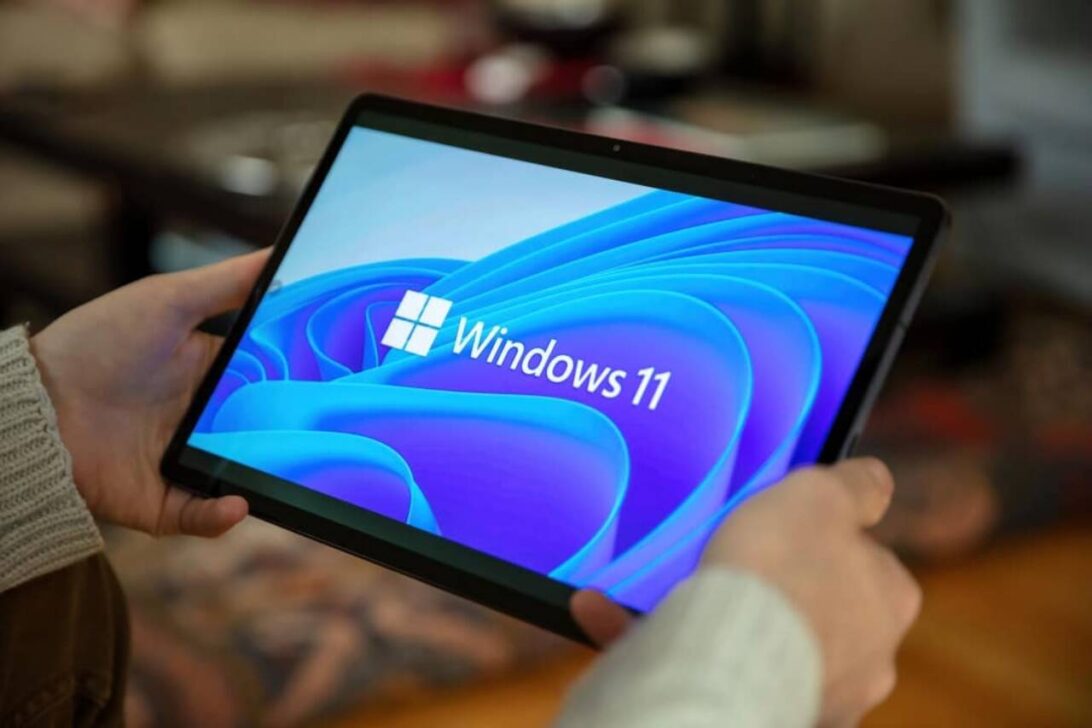
Microsoft started the global release of the Windows 11 version 26H2 operating system update from Redmond, Washington, delivering the package as the official feature release for the second half of 2026. The deployment delivers accumulated system enhancements through a compact enablement package that avoids full operating system reinstallation on compatible computers.
The annual release serves as an activation milestone for functions and security patches introduced across regular monthly servicing channels over the past year. “Today, we’re announcing the availability of the Windows 11 2026 Update, also known as Windows 11, version 26H2,” stated John Cable, Vice President of Windows Program Management, Servicing and Delivery at Microsoft, during the rollout announcement on Tuesday, September 29, 2026.
Shared codebase structure across Windows 11 releases
The Windows 11 version 26H2 architecture relies on the same core platform and servicing branch that underpins versions 24H2 and 25H2. Instead of replacing primary operating system binaries, the delivery relies on enablement package KB5121794, an installer weighing approximately 174 KB. Devices that maintained regular servicing already host the necessary inactive code, allowing the package to switch on dormant tools without lengthy reboot sequences.
Check out: Microsoft plans Ninja Theory closure in new 268 job Xbox reduction
Microsoft explained that Windows 11, version 26H2 brings together all the Windows innovations, security improvements, and enhancements delivered over the past year to version 25H2. According to the company, the package “is a lightweight update that activates new features already included in the operating system through previous monthly servicing updates. Because versions 26H2, 25H2, and 24H2 share a common servicing branch and underlying codebase, many of the components required for version 26H2 are already present on devices before the feature update becomes available.”
This deployment strategy contrasts with major platform upgrades that require hours of migration and full disk rewrites. The enablement technique keeps system downtime to a single standard restart on machines running properly maintained baselines, although the underlying platform ties impose specific boundaries across different preview branches.
Read also: Microsoft eliminates 268 Halo Studios roles in Xbox shakeup
How can users install Windows 11 version 26H2 on their devices?
Computer owners seeking to acquire the release early can navigate to system settings and toggle the option to receive the latest updates as soon as they become available. Systems configured this way poll the distribution servers directly and download the activation package ahead of broad scheduled rollouts. Devices running older configurations or unpatched baselines require prerequisites before the enablement package triggers installation.
Microsoft limits deployment to systems built on compatible codebase branches, creating an upgrade exclusion for specific test environments. Hardware units running preview builds of Windows 11 version 26H1 cannot accept version 26H2 through this channel because version 26H1 operates on a different platform core, leaving those devices without an immediate direct update path.
Hardware compatibility and system stability indicators
Microsoft presented the update as a predictable and low-disruption release, yet technical community analyses and reports recorded concerns regarding legacy software stability and game execution on specific hardware profiles. Automated telemetry systems enforce safeguard holds on machines where conflicting device drivers or specialized applications might cause unexpected software behavior during setup.
Specific operational criteria define how the activation package applies across systems:
- KB5121794 installer payload: approximately 174 KB
- Cumulative development window: 12 months of progressive enhancements
- Primary installation requirement: active deployment on version 24H2 or version 25H2
- Incompatible source release: Windows 11 version 26H1 preview builds
Microsoft has not released specific percentages regarding initial machine coverage, nor has the company published the full technical list of hardware setups currently blocked by safeguard holds.
Lifecycle timelines and official support dates for Windows 11
Every annual release of Windows 11 establishes a new support timeline for security servicing and technical maintenance, shifting machines away from expiring lifecycles. Users running version 24H2 on personal hardware face an imminent deadline to transition toward newer branches to retain critical monthly protections.
Follow: Microsoft files patent for dynamic in-game ads on Xbox consoles
The operational calendar for the operating system includes several verified milestone deadlines:
- Tuesday, October 5, 2021: initial public release of Windows 11 worldwide
- Tuesday, September 29, 2026: public release of Windows 11 version 26H2
- Wednesday, October 7, 2026: scheduled corporate showcase featuring Surface hardware and NVIDIA technology
- Tuesday, October 13, 2026: end of servicing for Windows 11 version 24H2 Home and Pro editions
- 24 months: security support duration for version 26H2 Home and Pro editions
- 36 months: servicing timeline for version 26H2 Enterprise and Education editions
Transitioning to the 26H2 release ensures Home and Pro edition installations maintain authorized security patches for 24 months, while commercial accounts on Enterprise and Education licenses receive 36 months of active maintenance from their installation date.