Nobel prize in medicine goes to trio for brain research
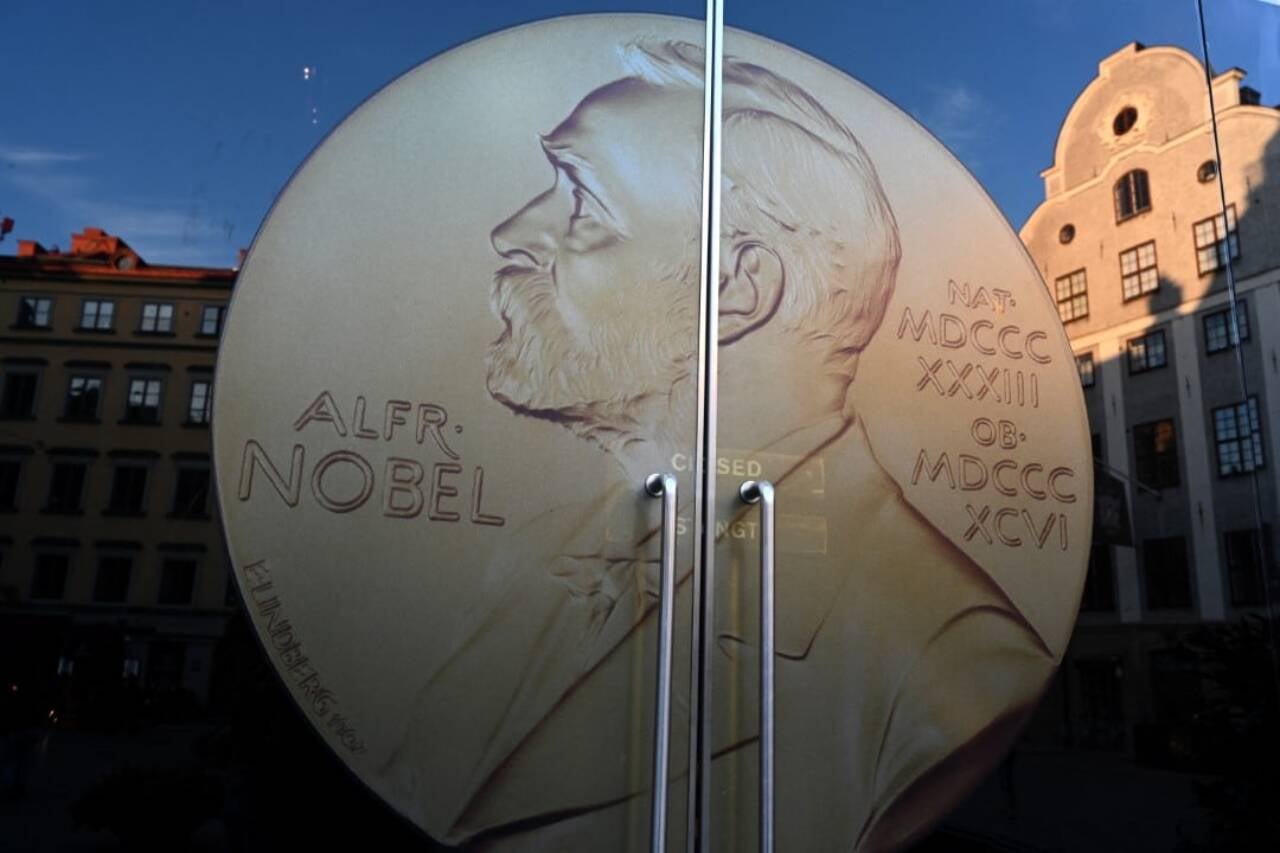
Optogenetics pioneers Karl Deisseroth, Peter Hegemann and Georg Nagel won the 2026 Nobel Prize in Physiology or Medicine on Monday for developing light-activated switches that control individual nerve cells in living brains. The Karolinska Institute assembly in Stockholm awarded the trio for discoveries concerning light-gated ion channels, providing a revolutionary method to map neural circuits with precise flashes of light.
The three scientists will share the financial award of 12 million Swedish kronor, equivalent to roughly 1.2 million dollars or 900,000 pounds. Thomas Perlmann, secretary-general of the Nobel Assembly and the Nobel Committee at the Karolinska Institute, noted during the presentation that the breakthrough transformed basic biology, stating that “this method is now being used in laboratories around the world to reveal the brain’s mysteries.”
Key milestones in the development of optogenetics
The journey from an obscure biological observation in single-celled organisms to direct neurological intervention spanned more than two decades of experimental work across laboratories in Germany and the United States.
- Peter Hegemann examined how the single-celled green alga Chlamydomonas directs its movement toward light and detected a photoreceptive protein converting light into an immediate electrical charge.
- Georg Nagel partnered with Peter Hegemann to characterize these specialized proteins, named channelrhodopsins, demonstrating in frog egg cells that exposure to blue light triggers an inward flow of ions.
- The German researchers transferred genetic sequences encoding channelrhodopsin into kidney cells from humans and rodents, successfully conferring light sensitivity to non-photosensitive animal cells.
- Karl Deisseroth inserted the algal channelrhodopsin gene into living mammalian nerve cells in 2005, showing that rapid optical pulses could initiate controlled electrical impulses in neurons.
- Researchers subsequently directed tiny optical fibers into the motor cortex of rodents, using light flashes to stimulate specific circuits that caused immediate movement in the animals’ whiskers.
- Laboratory teams expanded the technique to trace functional memory and emotional pathways, identifying the precise groups of active neurons that regulate fear responses in mice.
How channelrhodopsin enables optical control of brain circuits
Before the biological discovery of channelrhodopsin, theoretical molecular biologist Francis Crick had speculatively noted that neuroscience required a tool to turn specific cell types on and off without disturbing neighbors, but no physical mechanism existed to achieve that control. Hegemann, a 71-year-old biophysicist at Humboldt University of Berlin, and Nagel, a 73-year-old biophysicist at the University of Würzburg, resolved the biological puzzle by discovering how single-celled algae utilize light-sensitive proteins as integrated ion channels rather than separate sensory cascades.
Learn more: Luxury watches of football stars top $2 million as Neymar and Messi buy rare models
Deisseroth, a 54-year-old professor of bioengineering and psychiatry at Stanford University and an investigator at the Howard Hughes Medical Institute, realized that these channels could be expressed in central nervous system tissue. By integrating light-sensitive proteins into specific classes of neurons, neuroscientists gained the ability to flash laser pulses into intact neural networks. Per Svenningsson, chairman of the Nobel Committee for Physiology or Medicine, emphasized the technical leap, stating that “optogenetics provides opportunities for mapping the brain in a way that we could once only dream of.”
Clinical applications from vision restoration to neurological disease
The ability to activate and silence specific neural pathways has moved beyond foundational neurobiology into direct therapeutic research. In clinical trials, optogenetic techniques have been evaluated to treat retinitis pigmentosa, a degenerative ocular condition that degrades photoreceptors in the human retina. Doctors used a harmless viral vector to transport the genetic code for channelrhodopsin directly into surviving retinal ganglion cells, after which the patient used engineered light-stimulating goggles that translated visual surroundings into specific optical wavelengths, restoring partial visual perception.
Botond Roska, director of the Institute of Molecular and Clinical Ophthalmology Basel and co-leader of the ocular trial, reacted to the announcement by stating: “This is truly wonderful news. I hope this helps to boost all efforts on optogenetic vision restoration to bring back vision to blind patients.” Researchers are also investigating optogenetic principles to study and target the circuit malfunctions underlying Parkinson’s disease, Alzheimer’s disease, clinical depression, addiction and severe epilepsy.
Read also: Miami Heat transforms into Vice City on November 18 before GTA VI launch
Anna Wedell, professor at the Karolinska Institute and member of the Nobel Committee, emphasized the fundamental transition from observation to operational causation. “We’ve had anatomical maps and correlations, but now we have a tool that can provide cause-and-effect relationships so we can get a functional map of the brain, exactly pinpoint which cells do what, which cells are responsible for creating behaviours or even emotions and memories in the brain,” Wedell explained, pointing out that locating malfunctioning circuits in animal models directs clinicians toward precise human targets.
Official details and schedule of the 2026 Nobel medicine award
The announcement in Sweden marks the beginning of the annual Nobel Prize cycle, with further scientific categories scheduled across subsequent days.
- Award title: Nobel Prize in Physiology or Medicine 2026
- Date of announcement: Monday, October 5, 2026, at 11:30 CEST
- Awarding institution: The Nobel Assembly at Karolinska Institute in Stockholm, Sweden
- Recipients: Karl Deisseroth, Peter Hegemann and Georg Nagel
- Financial allocation: 12 million Swedish kronor divided equally among the three laureates
- Official presentation ceremony: Thursday, December 10, 2026, in Stockholm
Historical record of the Nobel prize in physiology or medicine
The 2026 award represents the 117th time that the Nobel Prize in Physiology or Medicine has been conferred since the initial presentation in 1901. Following Monday’s announcement, the overall roster of medicine laureates totals 235 individuals, among whom only 14 have been women. In 2024, the Nobel Assembly awarded the medicine prize to American researchers Victor Ambros and Gary Ruvkun for their discovery of microRNA and its role in post-transcriptional gene regulation.
Keep reading: Ninja Theory begins staff cuts in the UK after Xbox divestment talks fail
Stanford University president Jonathan Levin celebrated the medical implications of the work led by Deisseroth and the German biophysicists, stating that “their implications are profound, not only for understanding the human brain, but for opening possibilities into new treatments for neurological and psychiatric disorders.” The annual announcements continue in Stockholm with the Nobel Prize in Physics on Tuesday, October 6, 2026, followed by the Nobel Prize in Chemistry on Wednesday, October 7, 2026, leading to the formal diploma and medal ceremony on Thursday, December 10, 2026, commemorating the anniversary of Alfred Nobel’s death.