
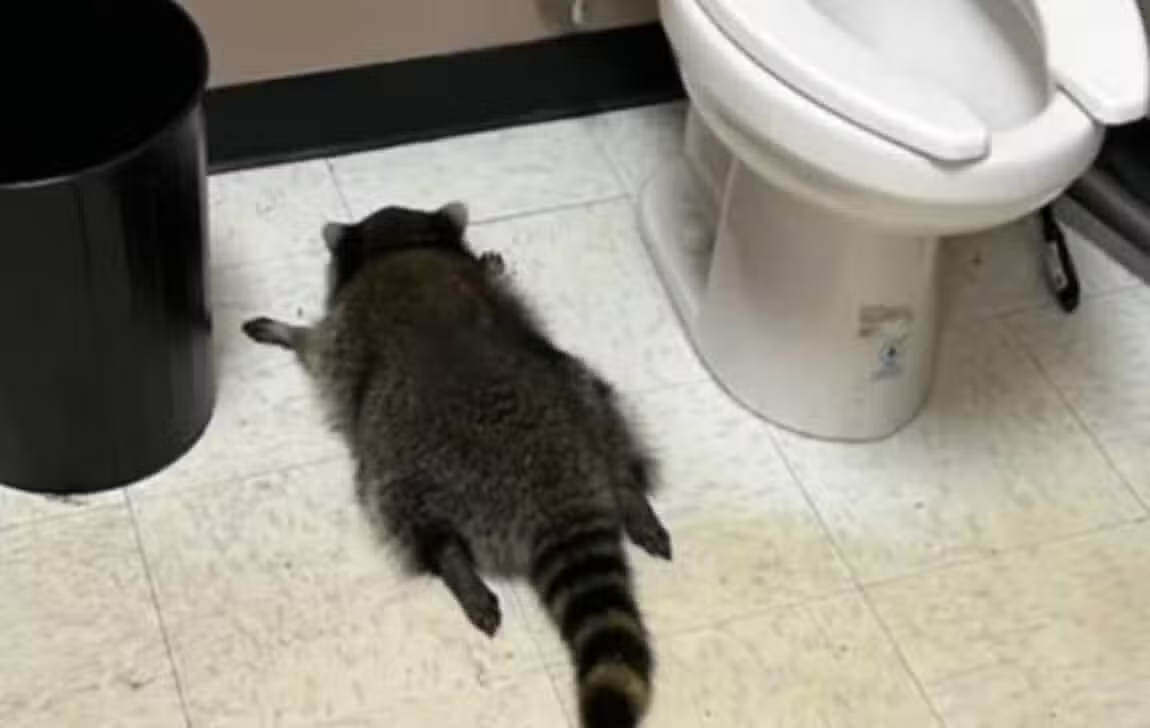
An unexpected nocturnal intruder disrupted operations at a state-run Virginia ABC liquor store in Ashland when a wild raccoon penetrated the premises, consumed spilled alcohol, and fell unconscious inside the facility restroom. Commercial staff arriving for the morning shift discovered the animal splayed out on the floor alongside dozens of shattered containers, prompting an immediate emergency dispatch to local authorities. Hanover County animal control officers secured the specimen without injury, confirming that the mammal suffered no lasting physiological harm beyond acute intoxication.
Overnight break-in shatters spirit bottles and brings down ceiling
The unauthorized entry occurred during the dark hours following the holiday closing, when the closed storefront stood completely unoccupied. Structural inspections revealed that the mammal entered through the building infrastructure above, dislodging a ceiling panel before dropping directly onto the commercial sales floor below. Once inside the retail space, the animal directed its attention toward the lowest display shelves, where heavy glass bottles of scotch and whiskey were arrayed within immediate reach.
The resulting disruption left extensive physical destruction across the commercial aisles. At least 14 containers of distilled spirits shattered against the flooring, discharging high-proof liquid that accumulated into wide, pungent pools. Store inventory sustained hundreds of dollars in inventory losses as the animal knocked merchandise off display units during its uninhibited progression through the establishment.

Store worker discovers unconscious animal beside bathroom toilet
Routine opening procedures came to an abrupt halt when an opening employee entered the premises to prepare the registers for the business day. Expecting a normal morning routine, the worker instead encountered fractured glassware, wet floorboards, and a collapsed overhead tile leading back toward the customer restrooms. Inside the restroom stall, the worker located the raccoon lying prone and motionless beside the toilet, having collapsed into a deep stupor after drinking freely from the broken merchandise.
Faced with a potentially unpredictable situation involving wild fauna, business management contacted municipal dispatch rather than attempting to disturb the unresponsive creature. Ashland dispatch directed the call to Hanover County Animal Protection and Shelter, which sent specialized personnel equipped for containment. Responding officers verified that the animal remained breathing regularly, though completely immobilized by ethanol consumption.
Officer Samantha Martin recounts unusual retrieval of intoxicated intruder
Officer Samantha Martin took primary custody of the situation upon arrival at the retail location. Drawing on years of field experience handling urban wildlife, Martin carefully placed the docile, sleeping animal into a reinforced transport carrier without encountering resistance. The officer later noted that raccoons are remarkably curious creatures capable of exploiting minor building flaws, though encountering one incapacitated by liquor represents an extraordinary occurrence in the line of duty.
See also: West Virginia lawmaker, a former welder, advocates AI as a job enhancer for blue-collar sectors
Subsequent investigations by animal control personnel indicated that this particular animal possessed an established history of exploring commercial structures along the identical commercial corridor. County records documented earlier entries into a nearby martial arts academy as well as an adjacent Department of Motor Vehicles branch, where the creature had successfully scavenged office snacks prior to targeting the liquor shelves. The serial visits demonstrated an unusual familiarity with commercial roofing spaces throughout the neighborhood.
Supervised hangover recovery ends with return to natural habitat
Transport personnel brought the animal directly to the Hanover County Animal Protection and Shelter facility for clinical observation. Veterinary staff placed the animal in a darkened, temperature-controlled rehabilitation enclosure to sleep off the heavy intoxication under close supervision. Diagnostic checks verified that the raccoon sustained no lacerations from the broken glass and suffered no structural trauma from falling through the ceiling grid.
Following several hours of undisturbed rest and full metabolic recovery, veterinary technicians determined the animal had regained complete motor function and clear alertness. Because relocating native wildlife outside their home territory often results in fatal disorientation, agency protocol directed officers to release the animal near suitable woodland habitat close to its original range. County officials humorously remarked that the animal departed back into the forest with nothing worse than a severe headache and questionable life choices.
Public fascination with the incident rapidly expanded when official photographs of the sleeping animal gained international attention online. The shelter capitalized on the viral notoriety by launching commemorative merchandise featuring the phrase Trashed Panda, generating more than $250,000 in charitable contributions dedicated to regional animal rescue operations and facility improvements.
Urban expansion drives closer encounters between wildlife and businesses
The Ashland episode underscores ongoing ecological interactions across suburban Virginia, where natural habitats border commercial districts. Raccoons display exceptional manual dexterity, problem-solving intelligence, and omnivorous dietary flexibility, traits that enable them to flourish in human-dominated environments. Commercial strips frequently offer dependable shelter and concentrated scent cues that attract nocturnal foragers seeking shelter or calories.
Zoological research indicates that populations dwelling in urbanized corridors undergo measurable behavioural adaptations to exploit human infrastructure. When buildings provide unsealed soffits, weak roof decking, or unsecured vent caps, native animals readily investigate those spaces to evade predators or seasonal cold. Incidents involving commercial inventory destruction demonstrate why municipal agencies maintain strict protocols balancing human commerce with humane animal management.
Structural maintenance and waste containment protect commercial properties
Commercial operators and local residents can minimize disruptive animal visits by enacting comprehensive facility maintenance routines:
- Seal external roof gaps, damaged eaves, and crawlspace vents with heavy galvanized wire mesh to eliminate entry paths into ceiling plenums.
- Secure commercial trash dumpsters with fitted locking bars and avoid leaving organic waste in open outdoor bins overnight.
- Trim tree branches back at least ten feet from commercial rooflines to restrict natural climbing routes toward building upper structures.
- Store domestic pet food and bulk edible supplies inside airtight metal or heavy plastic containers kept indoors.
Property owners who detect unauthorized wildlife inside retail or residential structures should refrain from direct physical engagement and summon local municipal animal protection services. Certified wildlife officers possess the equipment, training, and veterinary support necessary to capture intruders safely, conduct health assessments, and coordinate lawful release back into natural surroundings.