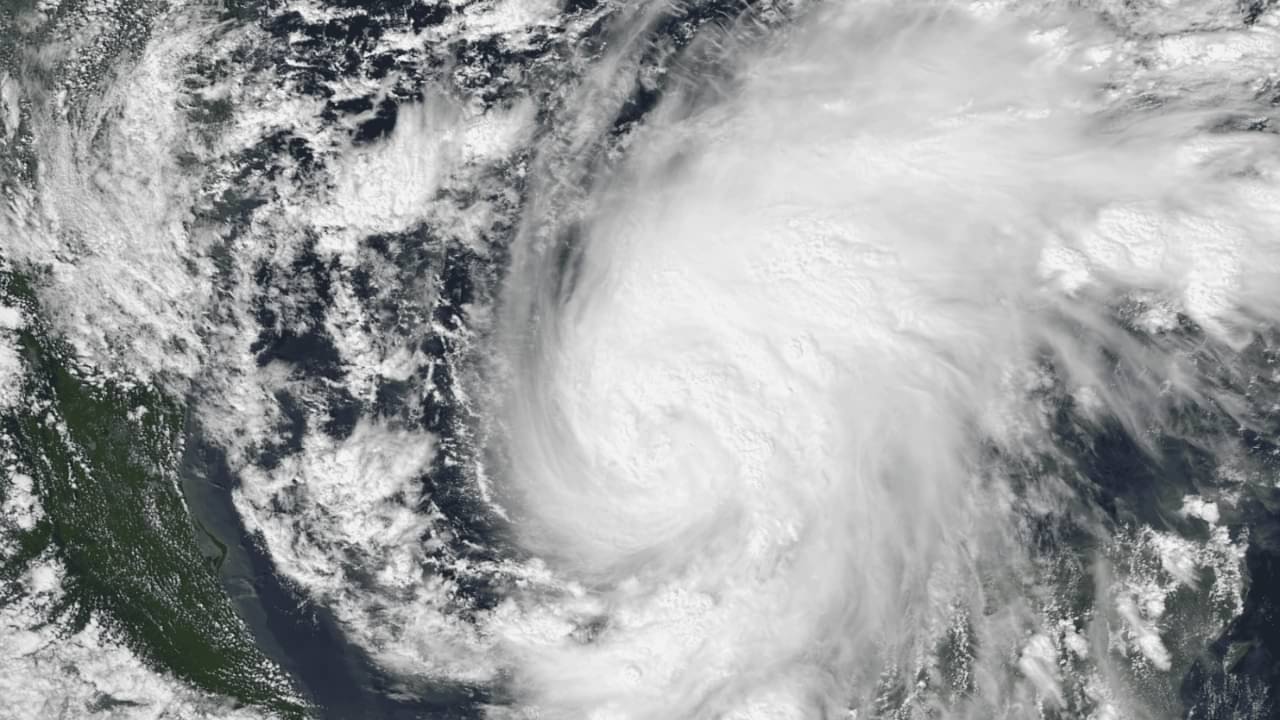
Violent winds and torrential squalls pounded the northern coastline of the Gulf of Mexico as Hurricane Isaias came ashore carrying sustained winds of 110 mph (175 km/h). Operating as a Category 2 system on the five-step Saffir-Simpson scale, the tempest knocked out electrical service to more than 500,000 homes and commercial properties throughout coastal Florida and southern Alabama. Emergency crews remained on alert across municipal corridors as falling branches, blown transformers, and severed lines created widespread utility failures during the height of the onshore push.
The cyclone had briefly reached major hurricane status at Category 3 over open water before losing a fraction of its central momentum as its eyewall closed in on coastal communities along the Florida Panhandle and Alabama border. Forecasters at the National Hurricane Center tracked the circulation center making landfall late Friday night, crossing the shoreline near the Pensacola and Destin barrier beaches around 7:00 p.m. Central Time. Radar sweeps captured severe coastal flooding along beachfront roadways as the core of the storm ground directly over barrier islands and pushed deep inland.
Offshore infrastructure throughout the northern basin sustained comprehensive operational stoppages ahead of the system’s final approach. Energy producers such as Shell, Chevron, and BP cleared non-essential and operations personnel from deepwater platforms, directing crews to inland staging bases. Federal regulatory assessments confirmed that these precautionary shutdowns took 62.9% of the Gulf of Mexico daily oil extraction offline, temporarily freezing crude production across central maritime leases.
Governors issue emergency decrees and direct coastal evacuations
Anticipating severe wind damage and dangerous water rises, Florida Governor Ron DeSantis declared a formal state of emergency covering 27 counties across the northwestern Panhandle. Emergency management officials in Alabama and Georgia instituted matching directives, directing mandatory evacuations for vulnerable shorelines, coastal barrier communities, and mobile home parks. Guard units and logistical personnel deployed across designated transit corridors to support residents moving toward inland shelters.
National Hurricane Center Deputy Director Jamie Rhome issued urgent public briefings as conditions began deteriorating rapidly along maritime corridors. Rhome warned that coastal residents faced life-threatening wind fields and rapid ocean surges along coastal inlets, emphasizing that conditions would turn extremely hazardous in a very short window of time. Meteorologists urged families who remained inside threatened zones to shelter in interior rooms and avoid driving through submerged roads.
Preparations across the western Panhandle had triggered heavy consumer runs on essential commodities several days before the storm arrived. Supermarkets and hardware stores throughout Pensacola and neighboring communities saw shelves cleared of bottled water, shelf-stable groceries, and portable generators, while fuel stations experienced extensive vehicle backups. On Thursday, October 8, 2026, Pensacola Beach resident Steve Speirs boarded up structural openings with steel storm shutters to prevent airborne debris and structural failure from high-velocity gusts.
Surge heights reach nine feet while transportation corridors close
Transit systems across the Gulf Coast corridor shut down regional services to prevent accidents and protect equipment. Passenger rail operator Amtrak cancelled its Mardi Gras line connecting New Orleans, Louisiana, to Mobile, Alabama, and curtailed normal operations on the Crescent service to avoid flooded sections of track. Commercial terminals at regional airports across the Panhandle halted commercial departures, while county school systems suspended all scheduled classes and extracurricular events throughout the impacted counties.
Forecasters identified the oceanic storm surge as the greatest physical threat to low-lying Gulf communities, as onshore gale-force winds drove coastal sea waters inland by 5 to 9 feet (1.5 to 2.7 meters). First responders reported that rising water breached seawalls, inundated low-elevation highway links, and carried heavy marine debris onto residential streets. Atmospheric instability generated within the cyclone’s forward rain bands also produced isolated tornado warnings and downed substantial tree canopies across suburban developments, resulting in at least two fatalities caused by falling trunks striking residential buildings in Escambia County, Florida, and near Birmingham, Alabama.
Atmospheric pattern produces latest initial hurricane since 1905
The arrival of Isaias marked the first official hurricane observed in the Atlantic basin during the entire 2026 tropical season. The system reached hurricane strength on Wednesday, October 7, 2026, establishing an extraordinary delay in tropical activity that had not occurred in modern weather archives for over a century. Climatological records confirm that the Atlantic basin had not waited until October for its first hurricane since the 1905 hurricane season.
The prolonged absence of mature storms through the summer months resulted from an intense El Niño circulation pattern operating across equatorial waters in the Pacific Ocean. That atmospheric configuration generated severe vertical wind shear over the Caribbean Sea and tropical Atlantic, preventing tropical waves from consolidating rotational structure throughout July, August, and September. Only when upper-level winds eased in early October did tropical moisture assemble into a self-sustaining cyclonic system.
Tracking projections from regional meteorological stations showed the center of Isaias tracking northward through central Alabama on Saturday, October 10, 2026, gradually transitioning into a tropical depression and post-tropical system as it reached the Tennessee River valley. Municipal inspection teams and disaster assessment coordinators continued surveying structural destruction along waterfront strips, clearing blocked thoroughfares, and restoring damaged substation equipment while emergency shelters sheltered displaced coastal residents.