Private security personnel working for Vectus Global, a firm led by Blackwater founder Erik Prince, suffered approximately 20 casualties during a coordinated ambush in the eastern Democratic Republic of Congo. The armed assault resulted in the death of a former New Zealand elite commando and left a prominent American military veteran severely wounded alongside local soldiers.
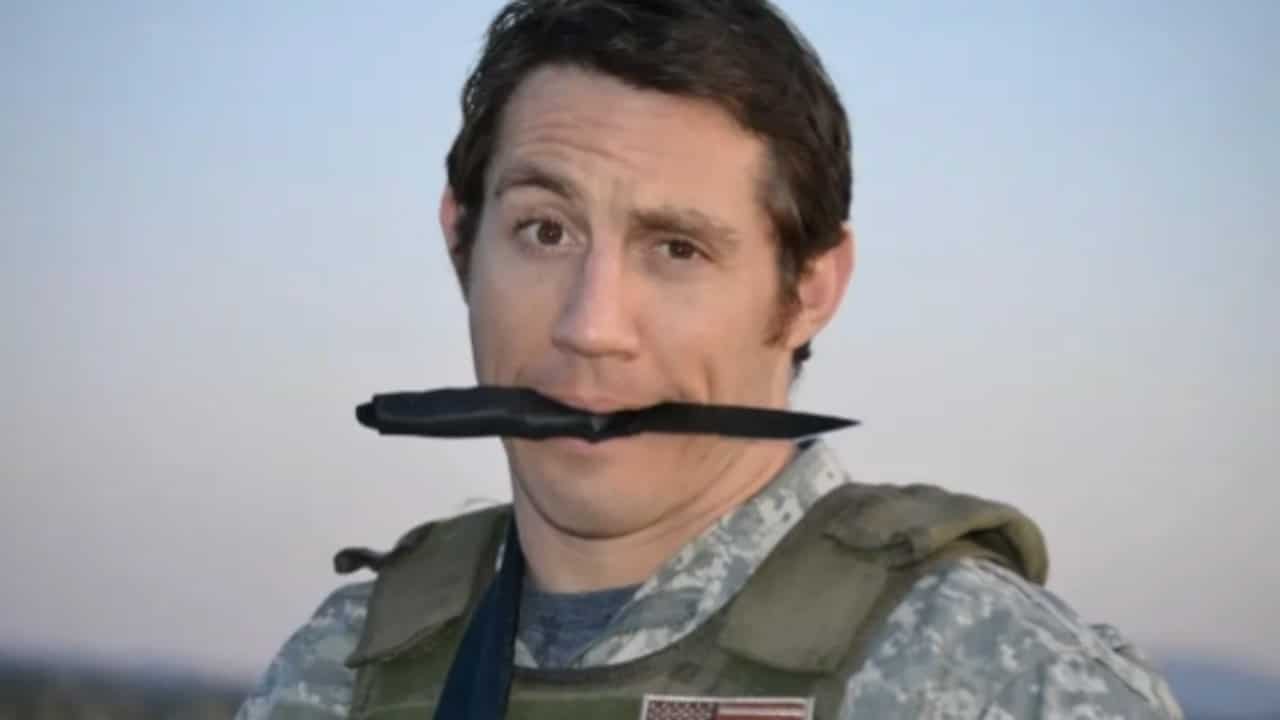
The clash took place in South Kivu province on September 17, 2026, when an armed convoy carrying foreign contractors and Congolese government troops came under heavy fire. Justin Conaglen, a former member of the New Zealand Special Air Service, was killed in action during the fighting. Tim Kennedy, a retired United States Army Green Beret and former mixed martial arts competitor in the Ultimate Fighting Championship, survived after sustaining three gunshot wounds to his leg. Kennedy was subsequently evacuated to the Walter Reed National Military Medical Center near Washington for medical treatment.
Casualties and verified facts from the South Kivu ambush
Local authorities and security reports confirmed that Congolese forces bore the brunt of the fatalities during the armed engagement on the ground. A second foreign contractor sustained injuries during the firefight alongside Kennedy.
- Fatalities: New Zealand veteran Justin Conaglen and at least seven Congolese nationals confirmed dead.
- Wounded: American contractor Tim Kennedy struck by three bullets in the leg, alongside one unidentified foreign operative.
- Total toll: Approximately 20 individuals dead or wounded during the engagement.
- Timeline: Attack executed on September 17, 2026, with full operational details emerging on Friday, October 9, 2026.
- Contract duration: Five-year governmental agreement signed in late 2024 by the administration of President Félix Tshisekedi.
Expansion of Erik Prince and Vectus Global operations in DR Congo
The presence of Vectus Global in the Central African nation stems from a five-year agreement formalized in late 2024 under the administration of Congolese President Félix Tshisekedi. While initial documentation framed the partnership around mining security and customs revenue collection in resource-rich provinces, the scope rapidly expanded into direct military assistance. The private security company began conducting aerial surveillance, coordinating drone reconnaissance, and assisting Congolese armed forces in counteroffensive operations against the M23 rebel alliance across the volatile eastern borderlands.
Financial assessments of the security engagement vary across institutional reports, with estimates ranging from 300 million dollars to 400 million dollars for the primary security arrangements, while related logistics and mining revenue monitoring contracts push different evaluations between 65 million dollars and 700 million dollars. Prince, who gained global notoriety as the head of Blackwater during the wars in Iraq and Afghanistan prior to the Nisour Square incident in 2007, has repeatedly advocated for direct foreign intervention across developing regions. In a podcast appearance in 2024, Prince stated: “If so many of these countries around the world are incapable of governing themselves, it’s time for us to just put the imperial hat back on, to say, we’re going to govern those countries.” When asked in the same interview if he supported a return to colonial administration in Africa, he answered: “Absolutely, yes.”
Unresolved aspects and foreign contractor losses in Kivu
The deadly confrontation in South Kivu follows previous operational fatalities sustained by Prince’s private enterprise within Congolese territory. Prior to the September 17 incident, foreign personnel operating under Prince’s logistical apparatus, including specialized aircrews and Colombian fighters, recorded fatal casualties during clashes against armed factions in the region.
Congolese security officials suggested that the attackers may have tracked a reconnaissance drone operated by the contractor team back to the convoy’s position before launching the assault. There is no independent confirmation regarding direct involvement by Rwandan military forces in the planning or execution of the ambush, and inquiries into the operational failure remain open.