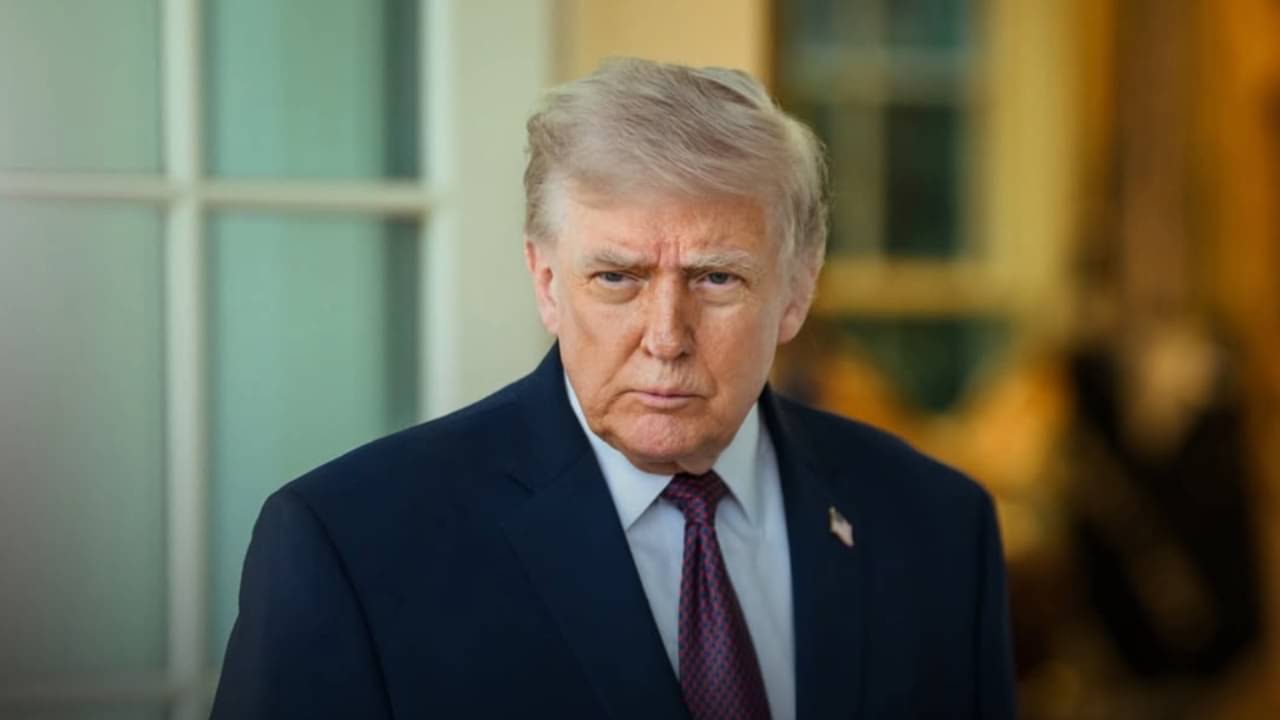
President Donald Trump authorized commercial truckers to use untaxed red-dyed diesel on federal highways and suspended the collection of federal excise taxes on the fuel through the end of 2026. The executive action seeks to blunt soaring energy costs nationwide, granting commercial drivers immediate access to fuel supplies previously restricted by law to agricultural equipment and off-road heavy machinery.
“Tonight I’m going to sign a historic executive order to officially waive the off-road requirement and allow anyone to purchase tax-free red-dye diesel for any reason,” Trump told attendees at a campaign rally in Grand Island, Nebraska, on Monday (5). The White House projected that the change could reduce operating expenses for freight haulers by dozens of dollars per stop, though the text of the order specifies a temporary tax deferral rather than a permanent legislative repeal.
Keep reading: Affordable Care Act enrollees in 30 states get $500 Treasury checks starting this week
Tax deferral and federal coordination under the executive order

The presidential directive formally waives standard highway restrictions on fuel marked with red dye, which is chemically identical to standard ultra-low sulfur road diesel but carries coloring to help federal and state inspectors detect tax evasion. Under the measure, the federal excise tax of 24.4 cents per gallon will not be collected through December 31, 2026, without accruing interest or regulatory penalties for fuel distributors and transport operators.
Learn more: Donald Trump suggested selling weapons to China, ambassador says
Treasury Secretary Scott Bessent was directed to implement the tax deferral and explore legal mechanisms to permanently eliminate the deferred liabilities. The White House fact sheet noted that Bessent will coordinate this evaluation with Defense Secretary Pete Hegseth, who was designated in the administrative text under the historic title of Secretary of War. Simultaneously, the Department of Transportation received orders to coordinate fuel flow across state lines, while the Department of Agriculture was tasked with monitoring supply buffers to prevent localized shortages for farming operations during ongoing harvest activities.
See also: Donald Trump releases Tom Cotton number to force daylight saving vote
Federal officials estimated that eliminating the 24.4-cent federal levy provides an average immediate savings of US$ 60 on a typical 250-gallon commercial truck fill-up. Trump asserted during his appearance at the Pinnacle Bank Expo Center that overall savings could surpass triple digits per stop, telling the crowd that “the typical trucker will save more than $100 every time they fill up.” Reaching that figure requires state governments to suspend their own fuel levies, which average approximately 35 cents per gallon nationwide.
Chronology of the 2026 fuel cost escalation
- September 22, 2026 — Diesel prices in the United States reach an all-time peak of US$ 6.53 per gallon following global refinery constraints and geopolitical disruptions.
- October 5, 2026 — Donald Trump signs the executive order in Grand Island, Nebraska, permitting road use of red-dyed diesel and deferring the federal excise tax.
- November 3, 2026 — Voters head to the polls for the federal midterm elections, with fuel costs and living expenses dominating key congressional races.
- December 31, 2026 — Scheduled expiration date for the federal excise tax deferral established under the executive directive.
Refining constraints and geopolitical background
The administration introduced the fuel order following severe disruptions across international energy markets that drove domestic diesel prices up 77 percent over the course of 2026. Global refinery output suffered sharp contractions due to regional conflicts in the Middle East following war with Iran, military damage sustained by Russian refining infrastructure in the war with Ukraine, and reduced export quotas from China. These compounding external shocks pushed average domestic prices to a historic high of US$ 6.53 per gallon on September 22, 2026, before settling at US$ 6.32 per gallon on the day Trump signed the order, according to data compiled by the American Automobile Association.
Follow: Donald Trump announces ‘AI Force’ initiative and a dedicated artificial intelligence tsar for the US
The White House linked the order to earlier emergency interventions, such as granting commercial drivers hauling fuel permission to exceed statutory driving hours. In tandem with the regulatory waiver, the administration pointed to an international arrangement negotiated with allied governments to release 100 million barrels of refined diesel from strategic petroleum reserves over a four-month window to expand physical availability.
Read also: Donald Trump crypto bill stalls in US Senate vote on Sept 15
Industry analysis and pending legal questions
Market analysts offered immediate pushback regarding whether altering excise rules can resolve fundamental production deficits. “Taxes aren’t the problem, supply is,” said Patrick De Haan, head of petroleum analysis at tracking service GasBuddy. Energy specialists noted that because agricultural producers already purchased red-dyed diesel free of highway excise fees, the executive action provides financial relief directly to long-haul truckers rather than delivering fresh net savings to farmers.
State participation remains undetermined across the country. Because individual states establish their own transport fuel statutes, governors and state legislatures must independently pass legislation or emergency proclamations to waive state levies, leaving the White House projection of US$ 100 in per-tank savings contingent on local decisions. Furthermore, legal scholars have not settled whether the executive branch possesses statutory authority to forgive deferred federal excise debt permanently without an explicit appropriation and vote from the United States Congress.
Nebraska Governor Jim Pillen and Senator Pete Ricketts appeared alongside the president during the event as the administration continues discussions with state capitals regarding local road fund adjustments before November.