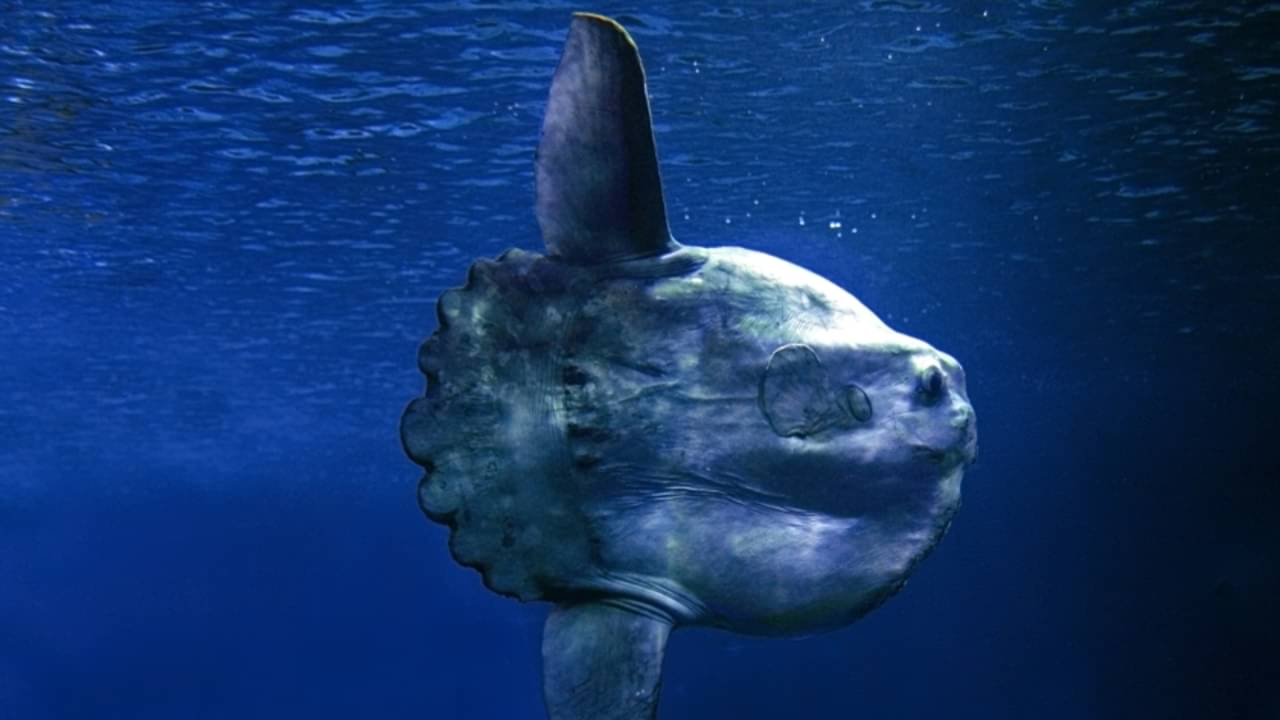
A giant 400-kilogram sunfish measuring 2.5 meters in length was discovered dead along the shoreline of Marina di Ravenna in northern Italy, following unsuccessful offshore rescue efforts. The marine creature washed ashore near the rocks of the Diga Zaccagnini breakwater at dawn on March 10, 2026, drawing the immediate attention of environmental researchers and maritime authorities.
Local resident Pietro Civenni, 82, spotted the massive carcass during his routine morning walk and promptly alerted regional marine biologists. “Every morning I take a walk on the pier at dawn to watch the sunrise,” Civenni stated. “I immediately saw this dark gray, enormous mass stranded on the rocks.”
Rescue efforts at sea preceded stranding near the breakwater
Emergency teams had first encountered the deteriorating animal two days earlier, on March 8, 2026, swimming weakly in shallow coastal waters. Personnel from the Experimental Centre for Habitat Protection (CESTHA), the local Coast Guard, and the Fire Brigade coordinated an offshore operation to escort the fish toward deeper waters, though severe physical exhaustion ultimately caused the current to pull it back toward the coast.
Visual examinations carried out immediately on the beach ruled out boat propeller collisions or fishing net entanglements, pointing instead toward natural causes or prior organic debility. “It is almost certainly the same specimen; our biologists had noted that it appeared emaciated,” said Simone D’Acunto, director of CESTHA. “In a way, we expected that it might wash ashore.”
See also: Italian prisons confront severe heatwave challenges amid persistent overcrowding crisis
Genetic tests confirm rare Mola alexandrini identification
Early assumptions pointed toward the common ocean sunfish, Mola mola, but comprehensive laboratory tests confirmed the carcass belonged to the bump-head sunfish, Mola alexandrini. The Cetacean Strandings Emergency Response Team (CERT) assisted in removing the body from the sand, transferring tissue and anatomical sections to the University of Padua and the Marine Research Centre.
Morphological evaluations and DNA sequencing officially verified the taxonomic classification, which scientists published in the scientific journal Hydrobiology and CESTHA publicly announced on July 25, 2026. The ocean sunfish stands as the heaviest extant bony fish on the planet and remains listed as vulnerable on the Red List of the International Union for Conservation of Nature.
Check out: Italian PM proposes classroom foreign student cap and school ban on burqas and niqabs
Biological characteristics and regional stranding history
These pelagic giants typically inhabit open ocean depths ranging between 50 and 100 meters, which makes nearshore sightings across the northern Adriatic Sea particularly significant for researchers. A comparable incident occurred in March 2024, when another massive specimen weighing nearly one metric ton stranded on Valverde beach in Cesenatico.
- Total body length: measured at approximately 2.5 meters on the Ravenna shoreline
- Estimated weight: calculated at roughly 400 kilograms during initial biological inspections
- Typical marine habitat: open ocean waters at depths between 50 and 100 meters
- Confirmed taxonomic species: Mola alexandrini verified through comprehensive DNA analysis
- Regional historical precedent: specimen weighing nearly 1,000 kilograms documented at Valverde beach in March 2024
Tissue samples remain under study by researchers led by zoology professor Fausto Tinti from the University of Bologna alongside the University of Padua to investigate regional marine fauna health. Veterinary teams have not disclosed the specific underlying pathology that incapacitated the sunfish prior to its stranding.