A commercial Falcon 9 rocket operated by SpaceX lifted off on the morning of Tuesday, October 13, 2026, delivering thousands of pounds of fresh research equipment and station supplies toward the International Space Station. The ascent through the upper atmosphere created an expansive luminous trail that caught the attention of early risers across multiple counties in North Carolina and along adjacent stretches of the American East Coast. Ground observers stepped outside into the early morning chill to photograph the glowing cloud expanding against the dark horizon.
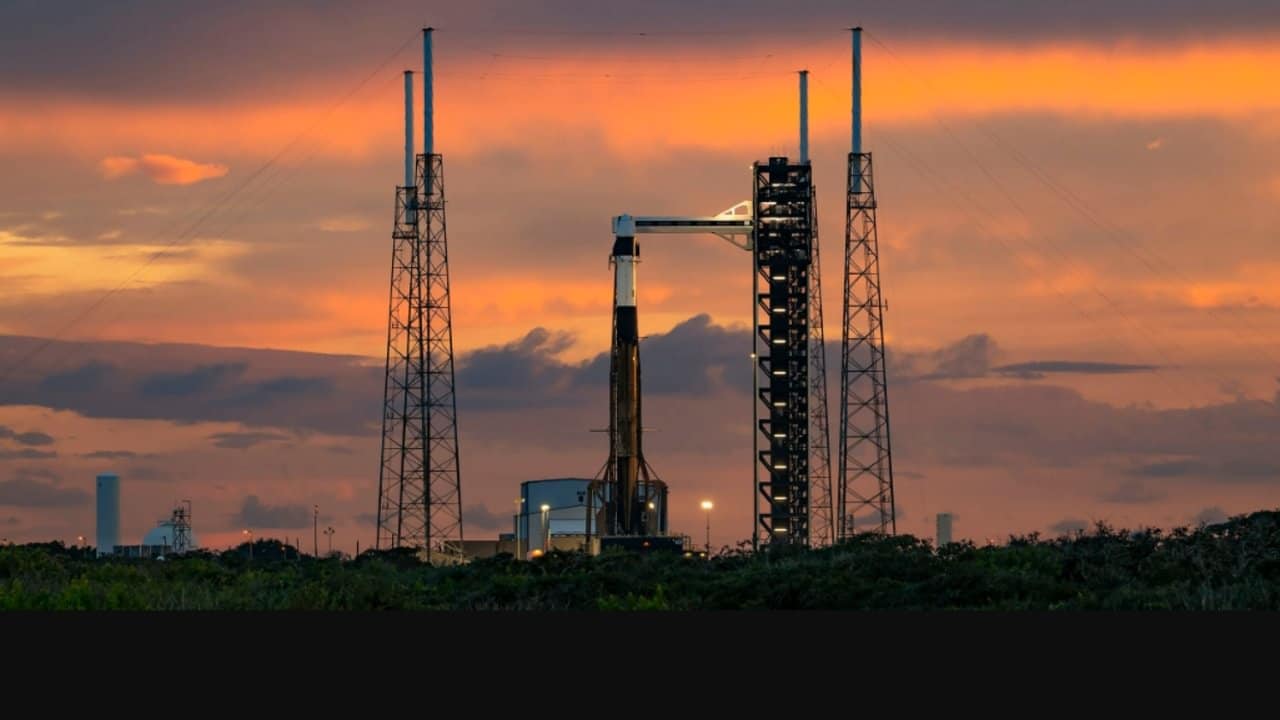
Liftoff took place from Space Launch Complex 40 at Cape Canaveral Space Force Station in Florida under clear morning conditions. The booster guided an uncrewed Dragon capsule along a northeasterly flight corridor over the Atlantic Ocean, allowing ground observers to spot the engine burns and spreading exhaust trail as early morning daylight began to break. The targeted trajectory ensured orbital insertion efficiency while providing unobstructed viewing lines for communities situated along the eastern seaboard.
Residents stepped outside to photograph the striking visual effect frequently referred to by stargazers as a space jellyfish. This high-altitude phenomenon occurs when sunlight from beneath the observer horizon illuminates the frozen exhaust gases expelled by the rocket engines into the thin upper atmosphere, creating a shimmering contrast against the predawn sky. The visual spectacle lingered for several minutes before dispersing into the upper stratosphere.
Starship’s 14th flight is set to launch on Monday, Sept 28. The 75-minute launch window opens at 7:15 a.m. CT. Live coverage of the mission starts ~35 minutes before launch → https://t.co/uQKQvgaTmJ
— SpaceX (@SpaceX) September 27, 2026
Flight specifications and hardware deployed from Cape Canaveral
- Launch date and operational timing: Tuesday, October 13, 2026
- Departure facility: Space Launch Complex 40 (SLC-40) at Cape Canaveral Space Force Station in Florida
- Vehicle configuration: Two-stage Falcon 9 rocket featuring booster B1096 and an uncrewed Dragon cargo capsule
- Cargo delivery volume: 6,300 pounds (approximately 2,860 kilograms) of crew provisions, replacement hardware, and research investigations
- Target destination: Space-facing zenith docking port of the Harmony module on the International Space Station
- Public broadcast access: Live streaming coverage distributed through official SpaceX social media channels
Spotting the spacecraft path and tracking the orbital approach
Skywatchers and spaceflight enthusiasts tracking the cargo vessel can follow the progress of the mission through ongoing updates provided on SpaceX digital platforms. Broadcast meteorologist Ricky Matthews shared observational guidance for East Coast residents, highlighting favorable sighting windows and angular elevation directions to help viewers locate the rocket as it climbed into low Earth orbit. Observers who monitored the flight path were treated to clear views of the vehicle climbing downrange.
Check out: SpaceX Starship engine shutdown threatens NASA 2028 Moon landing
The flight trajectory followed a carefully managed safety corridor designed to prevent any interference with commercial air traffic or communities on the ground. Operating well above standard aviation altitudes, the vehicle maintained steady acceleration toward orbital insertion without posing hazards to populated areas. Individuals hoping to view future spacecraft passes or orbital tracking events with the unaided eye should seek out viewing spots away from urban light pollution with unobstructed horizon views, ideally during the quiet minutes of morning or evening twilight.
Target timetable for the ascent and orbital rendezvous
- 06:33 EDT (10:33 UTC) — Falcon 9 main engine ignition and liftoff from the Cape Canaveral pad
- 06:38 EDT (10:38 UTC) — Stage separation followed by the expansion of the reflective exhaust plume over coastal states
- 11:00 EDT (15:00 UTC) on October 15, 2026 — Scheduled autonomous docking of the Dragon capsule at the orbital station
Science gear and previous pre-dawn sightings across Atlantic states
Rocket sightings hundreds of miles away from Florida launch facilities have grown increasingly familiar to observers throughout North Carolina during missions heading along a northeasterly trajectory. Coastal and inland communities across the state witnessed a comparable spectacle in August 2026, when an earlier SpaceX booster climbed through the upper atmosphere during the dawn hours. The geographical positioning of North Carolina makes it an advantageous vantage point for spotting early-morning launches that parallel the coastline.
The current flight represents the 35th commercial resupply services assignment carried out by SpaceX for NASA under their long-standing logistics partnership. The reusable first-stage booster designated B1096 successfully completed its eighth operational mission during the morning ascent, adding another milestone to the company reusable booster fleet. Following stage separation, the booster executed its automated recovery sequence while the upper stage continued powering toward low Earth orbit.
Follow: SpaceX fleet achieves 700 launches while ULA faces crisis
Tucked inside the pressurized and unpressurized sections of the 6,300-pound manifest are critical components intended to sustain orbital laboratory operations and expand scientific research. The cargo includes the final set of roll-out solar arrays engineered to upgrade the electrical generation capacity of the complex, alongside specialized laboratory investigations focusing on artificial retinas and human heart tissue engineered by academic research teams. Crew members aboard the orbiting outpost will retrieve the experiments to evaluate cellular reactions in microgravity.
Notable milestones and flight history for the resupply delivery
- August 2026 — Earlier SpaceX rocket ascent witnessed across several North Carolina counties during dawn twilight
- October 13, 2026 — Eighth orbital flight completed by booster B1096 carrying station provisions into low Earth orbit
- October 15, 2026 — Planned autonomous arrival of the Dragon spacecraft at the zenith port of the orbiting complex
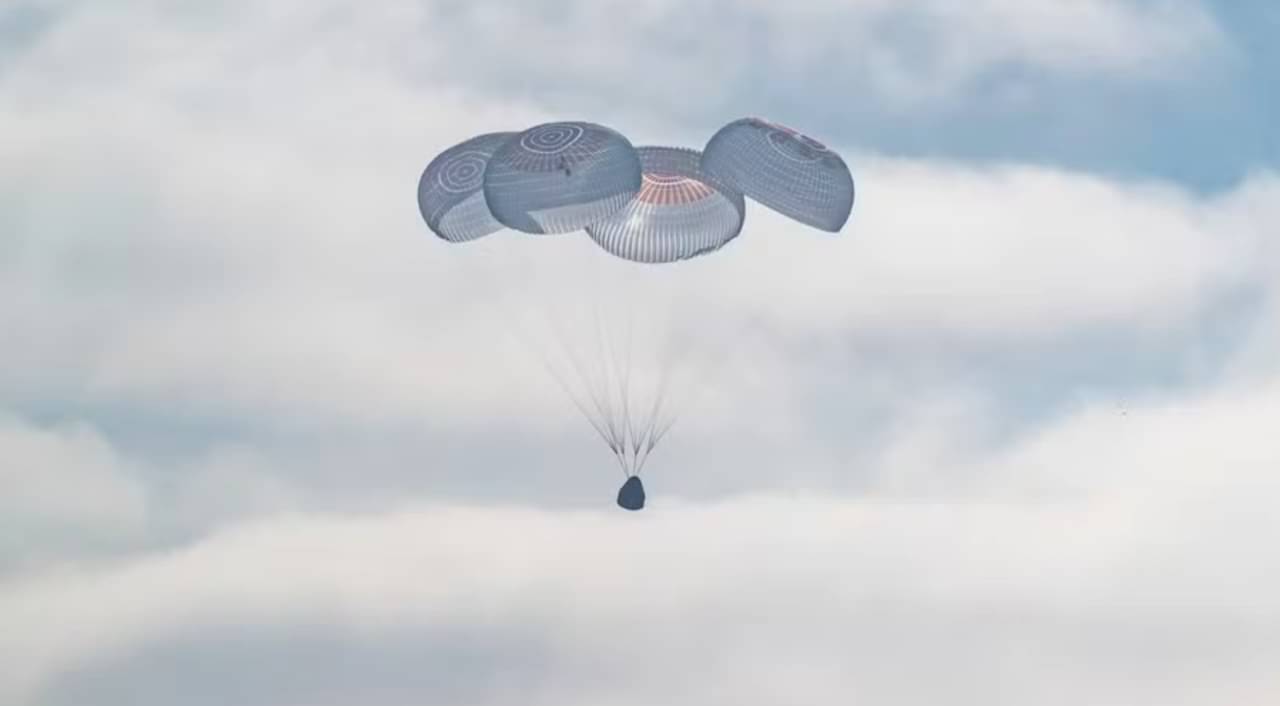
The Dragon spacecraft is navigating an independent orbital journey estimated at roughly 52 hours following its clean release from the Falcon 9 second stage. Automated rendezvous maneuvers will culminate on Thursday, October 15, 2026, when the craft locks into the space-facing zenith docking port on the station Harmony module to begin cargo unloading operations. Station crew members will monitor the approach sensors before securing the hatch and transferring the scientific payloads into the pressurized modules.