
South Korean electronics manufacturer Samsung has set January 2027 as the target release window for its upcoming Galaxy S27 smartphone lineup, establishing February 2027 as the latest possible fallback for the commercial debut. Supply chain details emerging from Seoul on Monday (19) indicate that the company accelerated its development calendar compared to the previous cycle to prevent manufacturing bottlenecks. The earlier schedule also positions the brand to compete directly against the standard Apple iPhone 18, which shifted its arrival to the first half of 2027.
The manufacturing timetable was detailed by South Korean technology industry tipster Lanzuk, who operates under the handle yeux1122 on the Korean web portal Naver. According to the supply chain report, Samsung has finalized the selection of core components for the standard models and transitioned the project into the schedule management phase ahead of mass production. The upcoming flagship family is structured around four distinct devices: the standard Galaxy S27, Galaxy S27 Plus (S27+), Galaxy S27 Pro, and Galaxy S27 Ultra.
Memory inflation and processor thermal tests challenge Galaxy S27 Pro and Ultra
Even with assembly planning underway, Samsung engineers still face technical and budgetary hurdles regarding the two highest-tier models in the range. Hardware teams are evaluating whether to equip the Galaxy S27 Pro and Galaxy S27 Ultra with next-generation LPDDR6 RAM (the temporary memory module that manages active apps) alongside UFS 5.0 internal flash storage (the drive responsible for saving system files, photos, and applications). The hesitation stems from a sharp global surge in memory chip prices driven by heavy demand from artificial intelligence data centers, a factor that would significantly raise the bill of materials for the smartphones.
To limit operational expenses and avoid selling handsets at a loss amid component inflation, Samsung asked its commercial suppliers in early October 2026 to reduce smartphone part shipments by up to 30%. If executive leadership rejects the newer semiconductor standards across the board due to cost constraints, at least the entry-level Galaxy S27 and the mid-tier Galaxy S27+ will retain the previous-generation LPDDR5X memory and UFS 4.x storage architecture.
Beyond memory pricing, the final production calendar depends on selecting the application processor for the flagship Galaxy S27 Ultra. Pre-production testing for the top-tier handset encountered delays following reports of overheating in the Snapdragon 8 Elite Extreme Gen 6 chip, manufactured by US semiconductor giant Qualcomm — a technical flaw that the supplier officially denies. Faced with potential thermal instability, Samsung has begun weighing the deployment of its in-house processor, the Exynos 2700, to power the Ultra variant.
Performance benchmarks for LPDDR6 RAM and UFS 5.0 flash storage
The next-generation semiconductor components under testing at Samsung laboratories deliver substantial gains in data transfer rates and battery preservation compared to hardware currently on the market. The technical specifications and hardware allocations under consideration for the four-phone lineup include:
- UFS 5.0 internal storage (under review for the Galaxy S27 Pro and Galaxy S27 Ultra): rated for a maximum sequential read speed of 10.8 GB/s and a write speed of 9.8 GB/s, doubling the bandwidth of the UFS 4.1 standard.
- UFS 5.0 power efficiency: engineered to deliver a 40% reduction in energy consumption compared directly to UFS 4.1 drives.
- LPDDR6 RAM (under review for the Galaxy S27 Pro and Galaxy S27 Ultra): operates at data transfer rates between 10.6 Gbps and 14.4 Gbps per pin, up from the 8.5 Gbps per pin ceiling of LPDDR5X modules.
- Standard configurations (Galaxy S27 and Galaxy S27+): slated to maintain LPDDR5X RAM modules paired with UFS 4.x internal flash storage.
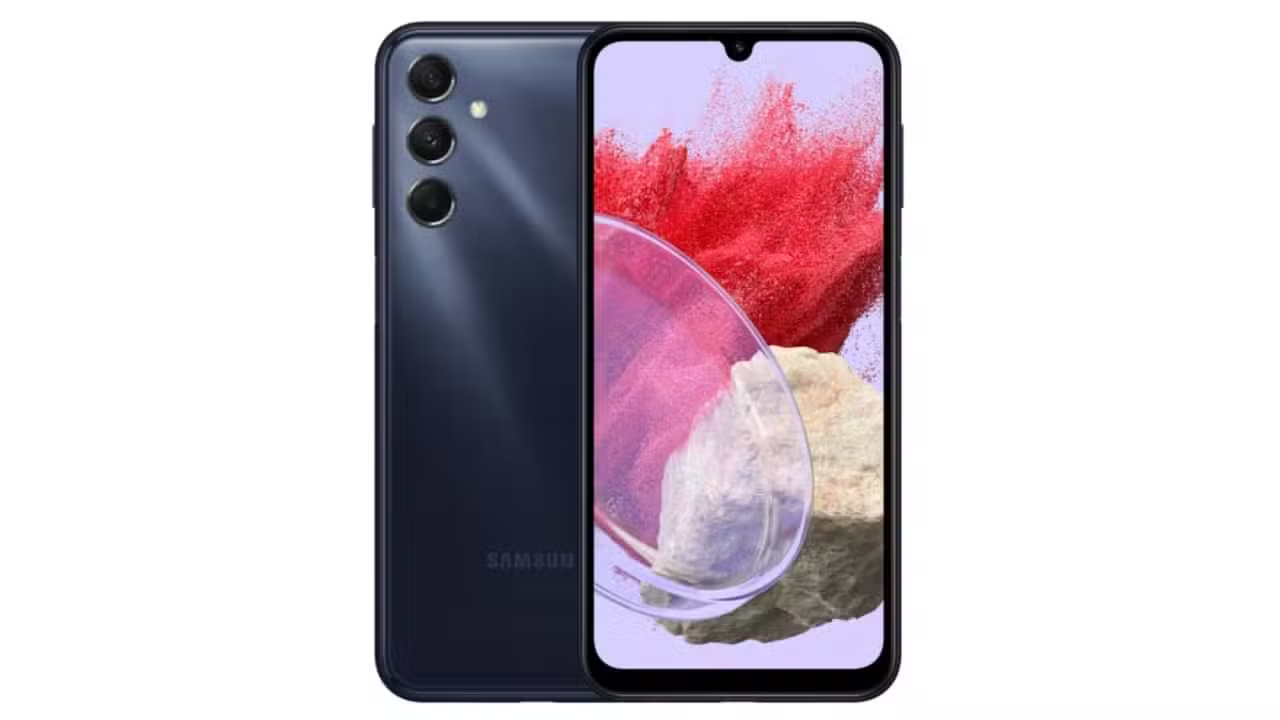
- Exterior casing layout (based on protective case leaks published on October 19, 2026): the Galaxy S27 and S27+ keep a vertical pill-shaped camera housing, whereas the S27 Pro and S27 Ultra switch to a wide rectangular camera island.
Apple calendar shift and the timeline of Galaxy S presentations
Pushing the Galaxy S27 debut back into January 2027 serves as a direct countermeasure to a schedule change by Samsung’s primary rival while addressing internal missteps from the prior generation. During the previous development cycle, the Galaxy S26 series suffered engineering delays because the mid-tier Galaxy S26+ was nearly replaced at the last minute by a variant named the Galaxy S26 Edge, pushing the official unveiling to February 25, 2026, and retail availability to March 6, 2026. Concurrently, Apple released its premium iPhone 18 Pro and iPhone 18 Pro Max in September 2026, but altered its traditional autumn release strategy by holding back the base iPhone 18 and the iPhone 18e until the first half of 2027, with mass production for those models scheduled to start in late November 2026.
Returning the product showcase to the first month of the calendar year restores the launch cadence Samsung maintained in the two generations preceding the 2026 delay. The historical rollout schedule for recent iterations of the Galaxy S family includes:
- Galaxy S21 series: officially unveiled on January 14, 2021.
- Galaxy S22 series: officially unveiled on February 9, 2022.
- Galaxy S23 series: officially unveiled on February 1, 2023.
- Galaxy S24 series: officially unveiled on January 17, 2024.
- Galaxy S25 series: officially unveiled on January 22, 2025.
- Galaxy S26 series: officially unveiled on February 25, 2026, with commercial sales starting on March 6, 2026.
Retail price increases and pending executive decisions in Seoul
The global surge in memory and semiconductor costs has already translated into higher retail prices for consumers during the brand’s current commercial cycle. To offset rising manufacturing expenses, Samsung implemented price increases across the Galaxy S26 lineup in key markets including the United States, South Korea, and India, maintaining upward pressure on the final retail pricing of the 2027 flagship family.
As of October 19, 2026, Samsung has not officially confirmed the date for its next Galaxy Unpacked presentation event, nor has it disclosed production volumes, final hardware specifications, or retail prices for the Galaxy S27 series. Final approval regarding the installation of LPDDR6 RAM and UFS 5.0 storage inside the Galaxy S27 Pro and Galaxy S27 Ultra remains under internal evaluation at the company’s South Korean headquarters.