Golden mussel spreads across the Amazon faster than predicted By Luís Pereira
3 min read
 |
Golden mussels are spreading through the Brazilian Amazon faster than scientific models had predicted, and they now form dense colonies in the Tocantins River. Studies published in 2026 confirm the species in every municipality along the Tocantins, in the Pará River and on Marajó Island, in the state of Pará. Researchers said the expansion surprised them, because earlier forecasts indicated the invasion of the region should not begin before the 2030s.
The first documented record in the Amazon came in October 2023, in the Tocantins River. In just over two years, the mollusk reached a wider geographic range than expected. Forecasts had pointed to consolidation only in the 2050s. Researchers mapped the occurrence in expeditions between December 5 and 29, 2025, at 62 points.
How many mussels cover the rocks at Pedral do Lourenço
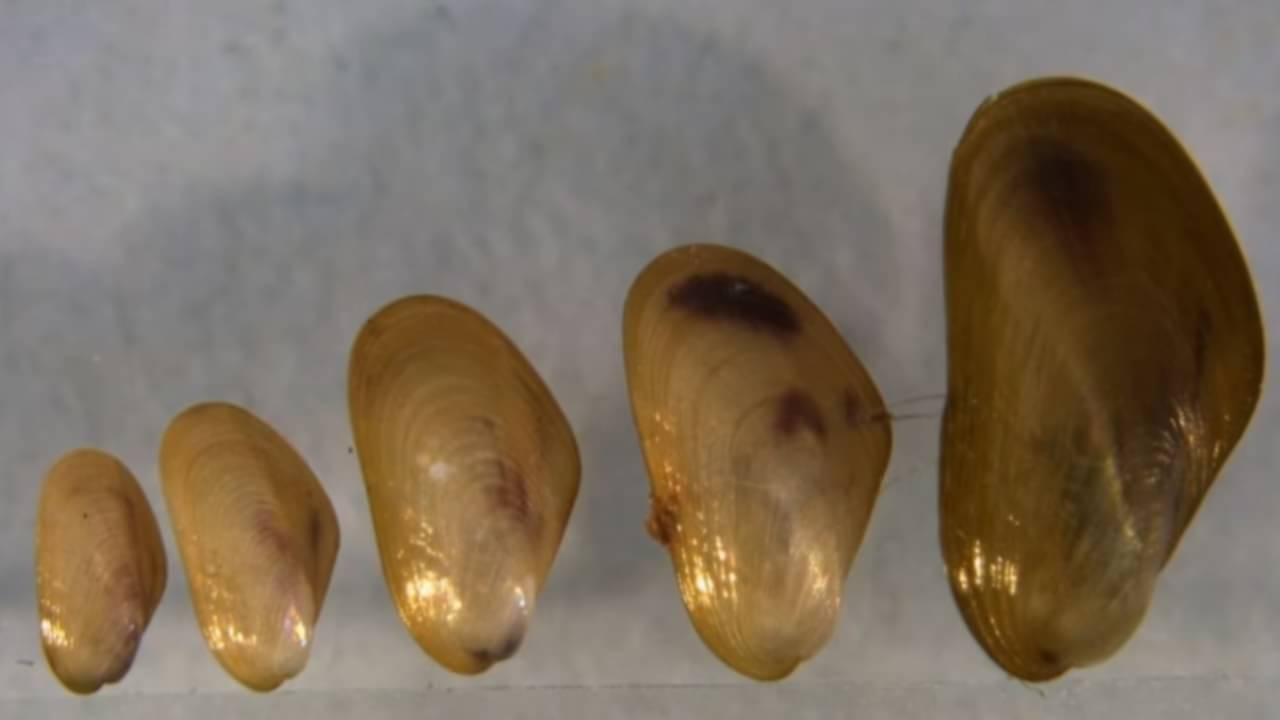
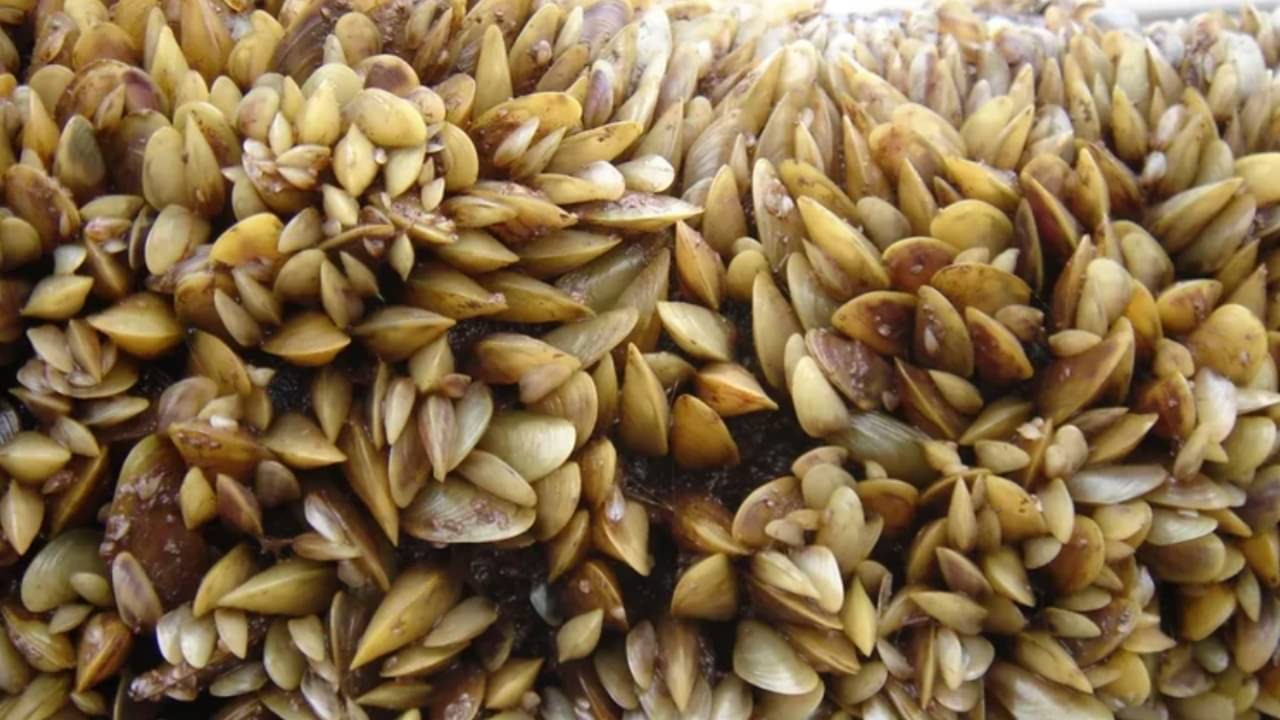
At Pedral do Lourenço, a rock formation between Marabá and Tucuruí in Pará, the average density measured in October 2024 was 11,940 mussels per square meter. The maximum reached 15,849 individuals in the same area. In 2023, the density at the site was 88 per square meter. Specimens measured between 1.92 and 22.10 millimeters, with an average of 12.22 millimeters, which indicates the species completed at least one reproductive cycle in the region.
Follow: AI camera app linked to better shoulder pain relief in Spanish trial
Recorded boundaries extend across Marajó and the Pará River area
A study titled “Invasão dourada: atualização dos registros do mexilhão-dourado na região amazônica”, published in the journal Actapesca, places the northern limits in the municipalities of Muaná and Barcarena. To the west, the limits reach Curralinho and Oeiras do Pará. No specimens were found in Belém. The colonies were found on rocks, roots, tree trunks and artificial structures.
What the mussel costs the power sector each year in prevention
The golden mussel (Limnoperna fortunei) comes from Asia and reached South America in 1991, through ballast water in the Río de la Plata estuary, in Argentina. Ballast water is the water ships take on to keep their balance. In Brazil, the first record dates from the late 1990s in the Guaíba lake basin, in Rio Grande do Sul. The species forms biofouling that clogs pipes, filters and cooling systems at hydroelectric plants. Brazil’s electricity sector spends US$9.97 million a year on prevention and control. The advance also affects water supply, aquaculture, fishing and navigation.
Native snails found living alongside the invader
Researchers observed the gastropod Vitta zebra living in the golden mussel colonies in the Amazon. The invader filters large volumes of water, reduces plankton and competes with native species for space and food. Complete eradication is considered unlikely with current techniques, which include scraping, filtration, ultrasound and chemical compounds.
Read also: NOAA puts 83% odds on a historic El Niño in October–December 2026
Boat disinfection and health checks on fish shipments
Scientists recommend disinfecting boats and fishing equipment before they are used in other water bodies. They also recommend health certificates for shipments of young fish in fish farming. New records have appeared in the São Francisco River, in Minas Gerais, where the State University of Montes Claros (Unimontes) collected 113 specimens in São Francisco and São Romão, about 1,000 kilometers from the previous point. The expansion is monitored by institutions such as Cepnor/ICMBio and the Federal Rural University of the Amazon (Ufra).