Switch 2 Lite rumors cite Samsung 8LPU+ chip, $299 price, 2027 window By Luís Henrique Costa
2 min read
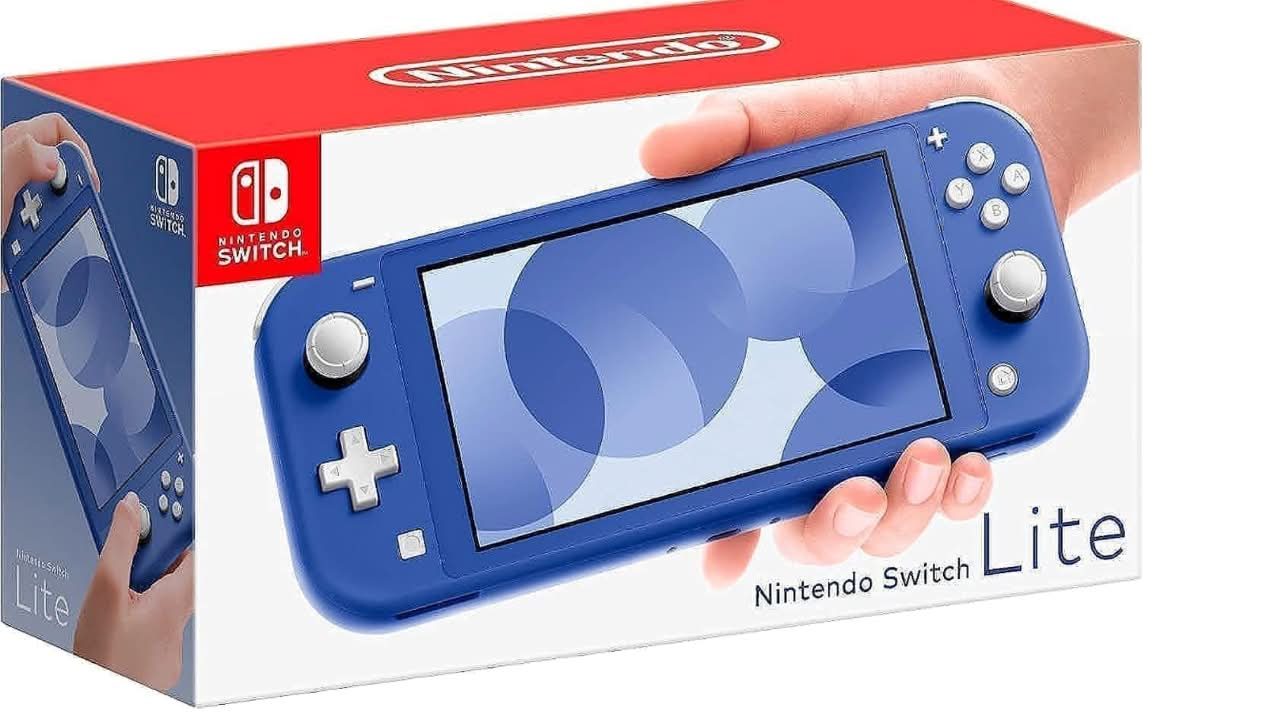 |
Nintendo has not confirmed a Switch 2 Lite, and the company has not released a price, specification or release date for a handheld-only model. A report published on Monday, November 2, 2026, by the GameGPU site described a version with a 7.1-inch screen, native 1080p resolution and a price of US$ 299, with a launch in 2027. No announcement had been made as of November 6, 2026.
The speculation gained strength after data about Samsung’s 8LPU+ manufacturing process circulated among analysts and players. Samsung says the process delivers 12% higher performance, 15% lower power consumption and an 8% smaller logic area than its 8LPU predecessor. Samsung plans to present the process at the IEEE IEDM conference on December 14, 2026.
Nintendo has not said it will use the Samsung technology in its supply chain, and no public partnership has been announced. The standard Switch 2 launched on June 5, 2025, at US$ 449.99 and has cost US$ 499.99 in the United States since September 1, 2026, which gives the rumored US$ 299 figure a clear reference point. The original Switch Lite, a handheld-only model sold at a lower price, remains the only commercial reference for the Lite line.
Learn more: Nintendo Switch 2 loses US speed record to Game Boy Advance after 12 months
Why heat and battery life set the limits for handheld consoles
Portable consoles face physical limits tied to heat dissipation and battery duration. More refined chip manufacturing processes allow smaller circuits that keep stable operating speeds without bulky heatsinks.
Newer lithography advances respond directly to those demands in computing engineering. Their gains show up in several areas.
- Better graphics performance and faster rendering on compact screens
- Lower electricity use per processing cycle
- Lower internal operating temperature during heavy games
- Longer battery life in demanding games
- Thinner, lighter and more ergonomic chassis designs
How software and data tools keep games running after launch
Building platforms and games depends on the link between programming, computer graphics and logic automation. Artificial intelligence drives the behavior of secondary characters and adjusts difficulty in real time, while software engineering pipelines keep frame rates stable.
See also: Nintendo Switch 2 gets Ocarina of Time physical pre-order gifts
Telemetry systems that analyze large volumes of data also help developers find structural code failures after titles launch. Without a direct Nintendo statement scheduling broadcasts or announcing investor communications, any timeline for a Lite edition remains limited to industry debate.