World leaders cover phone cameras with tape against spyware attacks

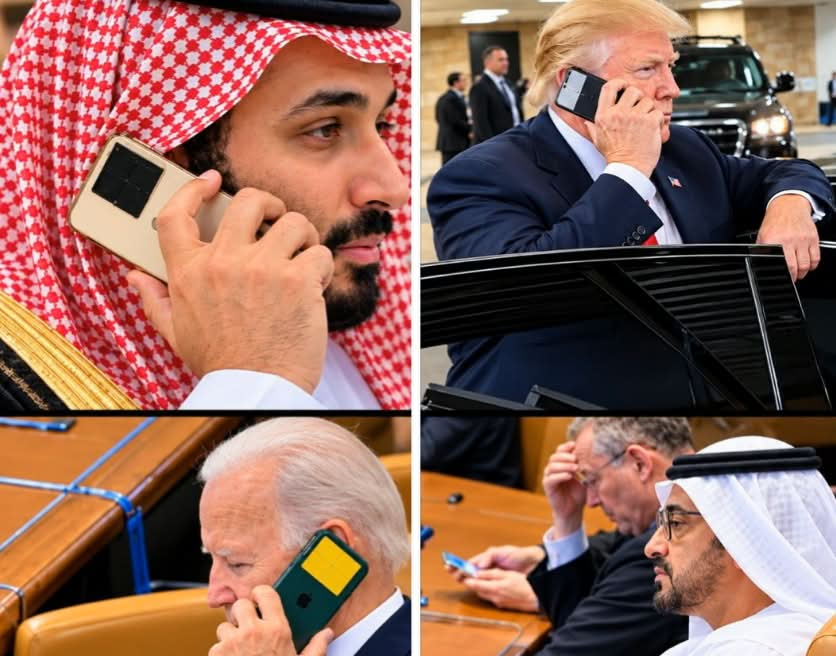
Leaders and senior officials around the world have been seen with tape or stickers over their phone cameras, and a post on X gathering those images drew more than 2 million views after it circulated on November 3, 2026. Users asked why the habit is so common among people in power. A physical barrier works as an immediate way to stop visual monitoring if a device is infected by advanced spying tools.
The practice follows strict information security protocols against invasive software that can break into a device without requiring any click from the user. Government intelligence and espionage systems can activate video modules remotely, without the indicator light turning on and without the user noticing any anomaly in the operating system. In such extreme cases, no digital layer guarantees full secrecy.
How spyware can switch on a phone camera without warning
Commercial and government spyware reach phones by exploiting vulnerabilities that the manufacturers of the operating systems do not know about. Attacks documented in the security industry can take full control of the microphone, location tracking and the lenses built into the device. Covering the lens with opaque tape or rubber adhesive does not stop attackers from listening to ambient audio or finding the position of the device.
The physical cover does, however, rule out the capture of confidential documents on meeting tables, lip reading in private rooms and the identification of strategic facilities. Those risks depend on the eyes of the camera, so a mechanical block removes them completely.
Follow: Meta chief Mark Zuckerberg defends AI pace over rival slowdown
Grok, the artificial intelligence assistant, summarized the weakness of purely digital systems in its reply to the viral post: “Leaders cover phone cameras with tape or stickers as a basic physical defense. Advanced spyware can remotely activate a camera without any user action or visible sign, even on locked devices. Software protections can fail against attacks.”
Concern about cameras and sensors on portable devices is not new among top figures in technology and international security. At public events in 2016, then-FBI director James Comey openly defended the habit of covering webcams on personal computers to prevent opportunistic intrusions. That same year, photographs of Silicon Valley executives, including Mark Zuckerberg, showed dark tape blocking the camera and microphone input of corporate laptops.
Read also: Meta backs fast AI pace as Mark Zuckerberg dismisses 2026 truce
Simple steps users can take to limit camera and microphone access
Ordinary users are rarely targets of multimillion-dollar spyware, but they remain exposed to malicious apps, scams and everyday privacy breaches. The measures below reduce unauthorized access without requiring complex equipment.
- Physical block with sliding plastic covers or special opaque stickers that leave no glue residue on phone and laptop lenses.
- Periodic review of app permissions in system settings, turning off background access to camera, microphone and location.
- Immediate installation of updates from software developers to fix recently discovered flaws and security gaps.
- Keeping the phone out of confidential meetings or sensitive exam rooms to remove the risk of unintended audio capture.
Government officials and diplomatic delegations are often told to leave personal smartphones outside high-security offices. They work in shielded cabinets that block electromagnetic signals during sensitive deliberations.