Dollar hits R$ 6.00 in Brazil, up 1.1%, the highest since April 2025

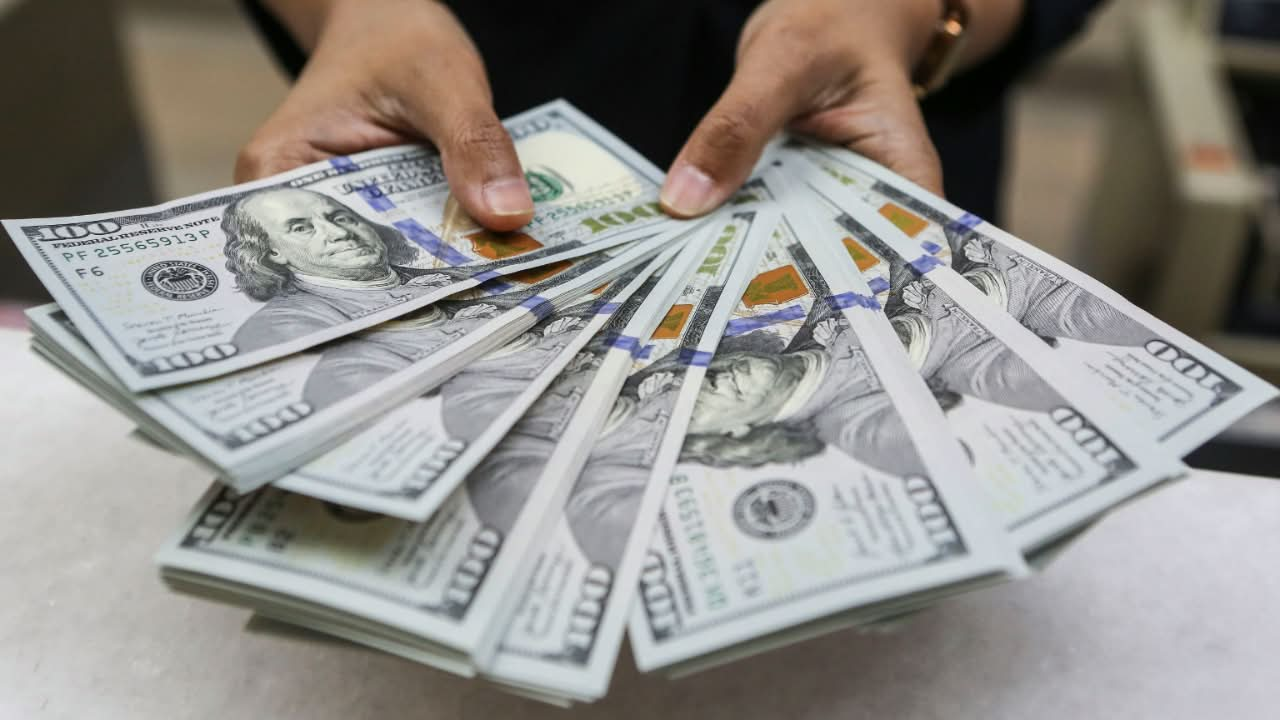
The U.S. dollar reached R$ 6.00 in Brazil at 10:07 a.m. on Monday, November 23, 2026, rising 1.1% against the real. It was the highest intraday level for the American currency since April 9, 2025. Investors stayed cautious ahead of a vote on the 2027 fiscal adjustment package in the Chamber of Deputies, Brazil’s lower house, while the dollar also strengthened abroad.
Hugo Motta, president of the Chamber of Deputies, of the Republicanos party from Paraíba, called an extraordinary session for Monday to bring forward the analysis of the proposal. Rapporteur Mauro Benevides of União Brasil, from Ceará, kept the text approved by the Senate intact, so that any change would not send the bill back to the other house. Before debating the merits, deputies must first approve an urgency request, and the bill needs at least 257 votes to pass.
What the package changes in spending and tax breaks
The text sets a 2% ceiling on real growth in public spending in years when there is a risk of missing the fiscal target. It also imposes a linear 10% cut on tax benefits granted to different sectors of the economy. The Senate approved the main text on November 12, 2026, by 45 votes to 31, and Senate rapporteur Eduardo Braga (MDB-AM) projected R$ 50 billion in savings for 2027.
Even with the push to approve the package, investors still doubt it can stabilize the path of public debt. Gabriel Mollo, investment analyst at Daycoval Corretora, said the market keeps questioning whether the measures are enough to contain the debt. Minister of Finance Dario Durigan acknowledged that the package is only a first step and that new structural initiatives will be needed.
Allies of President Luiz Inácio Lula da Silva accept that some priority economic proposals may be left for 2027, when the new legislature gives the opposition more seats in the National Congress. The government also needs to pass the 2027 Annual Budget Law (LOA) before the parliamentary recess, and it wants to finish the fiscal vote before the bimonthly revenue and spending report due on Tuesday, November 24. Investors are also watching the formation of the ministry for Lula’s fourth term, especially the choice of the next Minister of Finance.
Keep reading: B3 triggers circuit breaker in São Paulo as dollar jumps 12.52% to R$ 5.60 after Brazil presidential runoff
US$ 1 billion Central Bank auction fails to halt the rise
The dollar was already under pressure before the National Day of Black Consciousness holiday on Friday (20), when the B3 stock exchange stayed closed. On Thursday (19), the currency closed at R$ 5.9344, up 1.15%, in its sixth consecutive session of gains. That afternoon the Central Bank of Brazil held an extraordinary auction selling US$ 1 billion in the spot market to curb capital outflows, but the move did not stop the dollar from nearing R$ 6.00.
From November 2 through Monday morning, the dollar has risen more than 10% against the real, starting from R$ 5.4363 on November 2. Early in the session, around 9:08 a.m., the spot dollar traded at R$ 5.986, according to market reports. The chart below lists the main indicators pressuring the exchange rate this month.
| Indicador | Patamar registrado | Referência |
| Dólar comercial | R$ 6,00 (+1,1%) | 23 de novembro de 2026 |
| Fechamento anterior | R$ 5,9344 (+1,15%) | 19 de novembro de 2026 |
| Leilão à vista do BC | US$ 1 bilhão | 19 de novembro de 2026 |
| Índice DXY | 104 pontos | 23 de novembro de 2026 |
| Taxa Selic | 13,75% ao ano | Mantida em 4 de novembro |
Higher US interest rates lift the dollar abroad
The move also reflects the outside scenario, as investors expect further increases in US interest rates. The DXY index, which measures the dollar against a basket of six currencies from developed economies, rose to 104 points on Monday, its highest level since late March 2025.
Learn more: Star Wars: Galactic Racer debuts on Amazon Luna alongside 60 dollar retail release
According to the FedWatch tool, traders already price in two rate increases, for December 2026 and January 2027, and bets are growing on a third in March 2027. The Federal Reserve raised its benchmark rate by 0.25 percentage point on September 16, 2026, to the 3.75% to 4.00% range, its first increase since July 2023. It kept the rate unchanged on October 28, with dissenting votes in favor of another hike.
Higher US rates draw global capital to US Treasury bonds, which are seen as lower-risk than emerging-market assets such as Brazil. In Brazil, a dollar at R$ 6.00 makes imported inputs, machinery, equipment and products with foreign components more expensive, while the market waits for the Chamber vote. Pre-market trading abroad pointed to a recovery in US stocks, with Nasdaq and S&P futures up 2.7%. The next IPCA inflation release is scheduled for Thursday (26).