Beaver supermoon peaks at 9:53 a.m. EST; stream cancelled over clouds
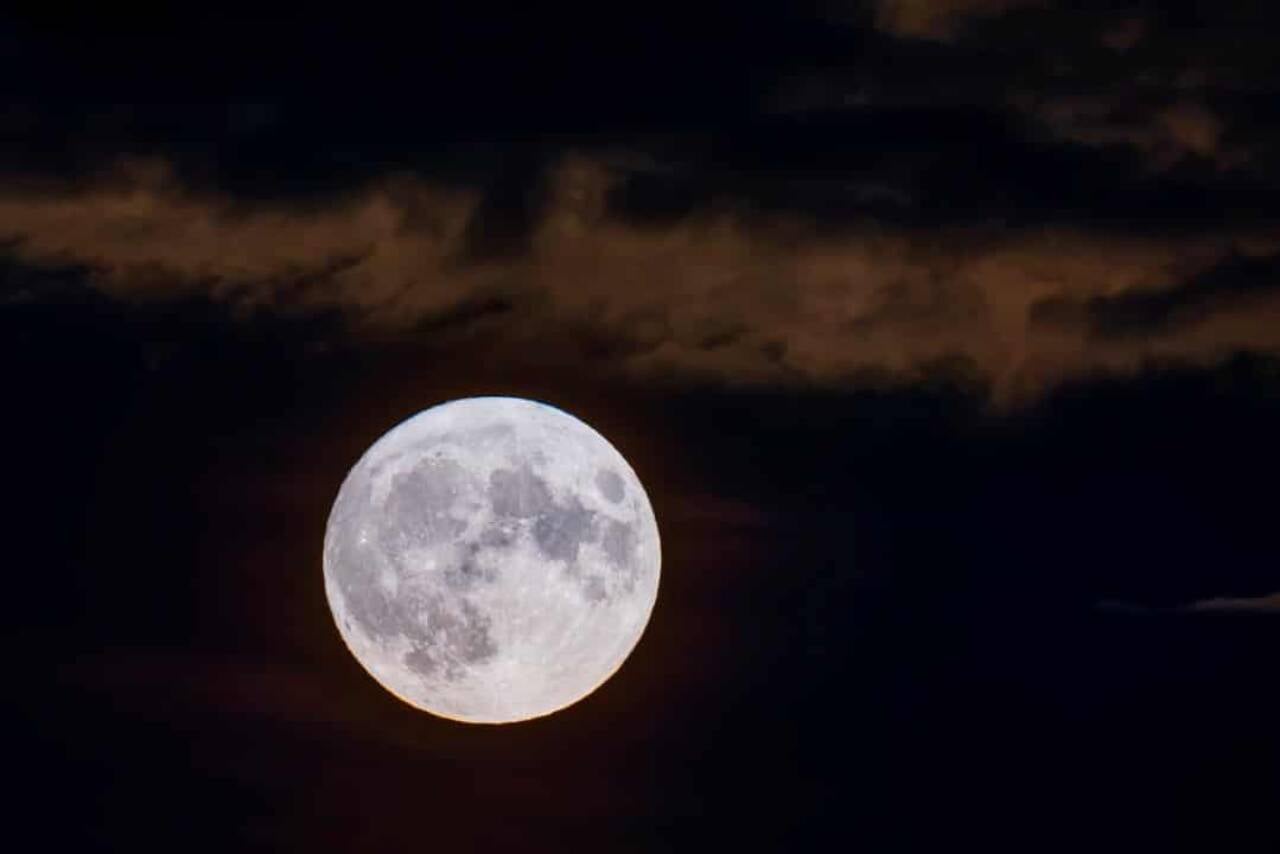
The Beaver Moon, the full moon of November, reached its full phase on 24 November 2026 and was classified as a supermoon because it occurred close to the closest point of the Moon’s orbit to Earth. The Virtual Telescope Project, which had planned a free livestream of the event, cancelled the broadcast because clouds covered its robotic observatory in Manciano, Italy.
Sources disagree on the exact peak time. Two of them give 9:53 a.m. EST (2:53 p.m. GMT), while a third gives 3:53 p.m. Italian time, which does not match the GMT reference used by the others. The Moon was visible at nightfall in several countries, including the United States.
Livestream cancelled over clouds in Manciano
The Virtual Telescope Project planned to broadcast the event for free on YouTube, starting at 10:30 a.m. EST (3:30 p.m. GMT). The stream would show live views of the Moon captured by a set of robotic telescopes at the observatory in Manciano, with commentary from the project’s founder, Gianluca Masi. It would also include photos of previous full moons above historic landmarks in Rome.
Follow: Last new supermoon in Cancer of 2026 marks a cycle of reviews and new ties this Tuesday
According to a note published with the event coverage, the broadcast of 24 November was cancelled because of clouds over the Manciano observation site. The organization had earlier said the online session would take place at 3:30 p.m. UTC, focused on the supermoon and on images of the Moon above Roman monuments.
Beaver supermoon: peak time, distance and size
The Moon sat at 224,170 miles (360,768 km) from Earth on the day of the supermoon, according to the Live Science report on the event. That distance is what put it close to perigee, the point of its 27-day elliptical orbit nearest to our planet. Supermoons can look up to 13% larger and 30% brighter than the smallest full moon of the year, which in 2026 occurred in May, when the Moon was near apogee, the point farthest from Earth.
Read also: Supermoon phenomenon reaches maximum approach to Earth in November 2026 with size 14% larger
The name Beaver Moon is traditional. It is associated with the period when beavers are busy building dams and preparing for winter, according to the Old Farmer’s Almanac.
- Peak of the full moon: 24 November 2026, 9:53 a.m. EST (2:53 p.m. GMT)
- Planned start of the Virtual Telescope Project stream: 10:30 a.m. EST (3:30 p.m. GMT), cancelled
- Smallest full moon of 2026, for comparison: May 2026
- Next supermoon, according to one report: Christmas Eve
Sequence of supermoons and the next one on Christmas Eve
Reports describe the 24 November supermoon as the first in a sequence of consecutive supermoons. The number of them is not settled: some sources count four, from November 2026 to February 2027, while another counts three. The same report that counts three says the supermoon of 24 November is the smallest of the three, and that the next one is expected on Christmas Eve.
Rescheduling of the stream still unconfirmed
It is not known whether the Virtual Telescope Project has announced a new date for the cancelled broadcast. The organization’s web page gives two different dates for its online session, 26 November and 24 November, and no official confirmation of a new schedule was found. Photos of the Beaver Moon taken on 24 November were also not located in the published sources, and one report said a roundup of the best photos would be published the following day.