On the night of October 9, 2024, Hurricane Milton, one of the most powerful storms of the year, made landfall near Sarasota, Florida, with winds of approximately 100 mph. This marked a slight reduction from the 115 mph winds recorded as it approached the coast. Milton intensified rapidly, fueled by warm ocean waters, becoming a Category 5 hurricane at its peak before weakening slightly upon reaching land.
Impact on Sarasota and surrounding areas
Sarasota, the city where the eye of Hurricane Milton made landfall, bore the brunt of the storm’s impact. Intense winds uprooted trees, damaged buildings, and left over 300,000 homes without electricity. Essential services like water and communication were severely disrupted. Teams of emergency responders were prepared in advance, aiding evacuations and providing support to the most vulnerable areas.
Intercepting #Hurricane #Milton #Eyewall – Lido Key, #Florida beach. #FLwx. https://t.co/2z1iErUrjY
— Chicago & Midwest Storm Chasers (@ChicagoMWeather) October 10, 2024
In addition to the extreme winds, the hurricane brought heavy rainfall and storm surges, causing widespread flooding in low-lying coastal areas. The storm surge raised water levels by more than 10 feet in some areas, exacerbating the damage and prolonging the recovery process. Economists estimate the total cost of the storm to exceed billions of dollars, taking into account damage to property, lost productivity, and interruptions to businesses.
Milton and climate change
Hurricane Milton has highlighted the growing vulnerability of coastal regions in the face of intensifying storms, largely attributed to global warming. The rapid intensification of Milton from a moderate storm to a Category 5 hurricane in a short period is a clear indication of how warmer ocean waters are fueling stronger and more destructive hurricanes. The Atlantic basin has seen an increasing trend in the frequency and severity of such storms, and Milton stands out as another example of this dangerous pattern.
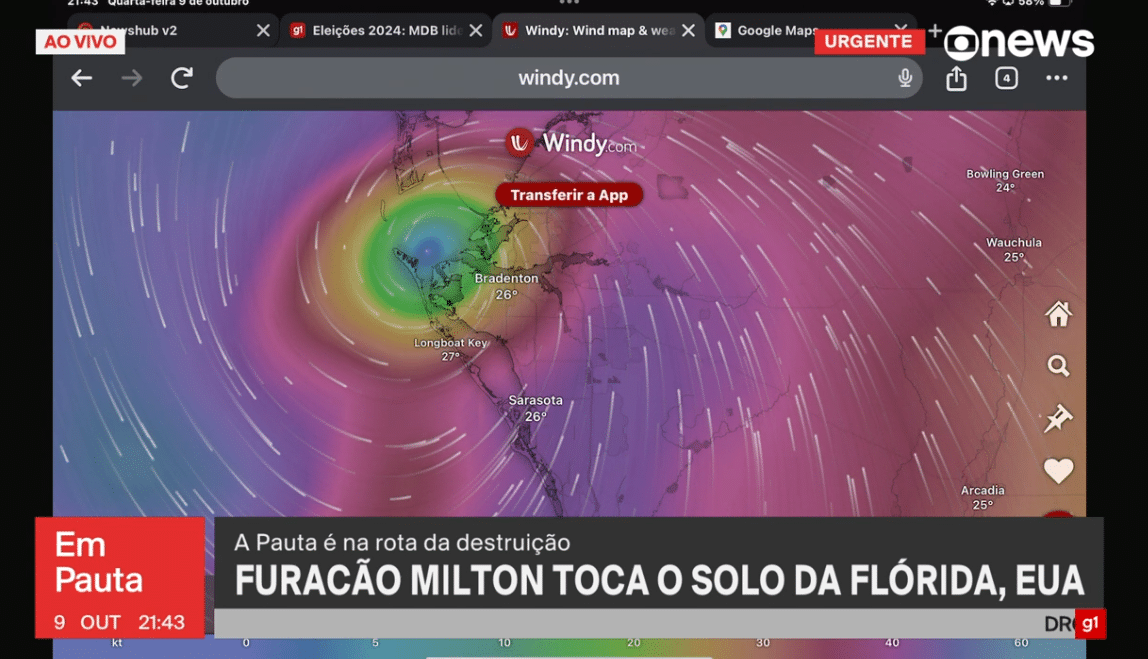
Scientists warn that this trend of highly destructive hurricanes will become more common if current warming trends continue. Milton is the ninth hurricane of the 2024 season, and experts predict that the season will remain active for several more weeks. With the storm season already being marked by numerous severe events, the year 2024 is shaping up to be one of the most destructive on record.
Rescue operations and evacuations
Authorities in Florida worked in collaboration with federal agencies to organize mass evacuations and shelter for those in high-risk areas. For days leading up to Milton’s landfall, Floridians were urged to evacuate the most vulnerable areas, particularly along the coast. More than 500,000 people were evacuated from their homes, with the majority moving to shelters and inland areas.
National Guard units were deployed along major highways and evacuation routes, facilitating the safe passage of residents. Several roads were closed due to rising floodwaters and fallen debris, making rescue efforts challenging. Besides the threat of the hurricane itself, emergency responders also dealt with secondary dangers, such as tornadoes, which struck parts of northern Florida.
Economic consequences
The economic impact of Hurricane Milton is expected to be profound, particularly in cities like Tampa and Sarasota, which are key tourist destinations. Many hotels, restaurants, and other leisure establishments were severely damaged or destroyed, causing significant economic losses. The recovery of these areas could take months or even years.
Florida’s agriculture, especially its citrus industry, was also severely affected. Crop damage is estimated to be in the billions, with citrus farms suffering some of the worst losses. The state’s agriculture sector will likely experience prolonged effects, disrupting supply chains and market prices for months to come.
Future recovery efforts
In the aftermath of Hurricane Milton, efforts are already underway to assess the damage and begin the recovery process. Federal and state agencies are working together to allocate resources and provide immediate relief to those affected. The U.S. government has declared a state of emergency in Florida, releasing federal funds to support recovery and relief operations.
While the immediate focus is on rescue and rebuilding, the long-term challenge for Florida will be preparing for future storms. Milton serves as a stark reminder of the growing threat posed by climate change and the importance of strengthening disaster mitigation policies and infrastructure to withstand future hurricanes.
Hurricane Milton’s landfall in Florida marks one of the most significant natural disasters of 2024. The economic and social consequences will be felt for years to come, and as the world watches the devastation caused by this powerful storm, the need for stronger climate action becomes more urgent. For Florida, the road to recovery will be long, and the growing frequency of storms like Milton suggests that the region must prioritize climate resilience moving forward.