
Imane Khelif: the victories and controversies of the Olympic medalist challenging sports eligibility norms

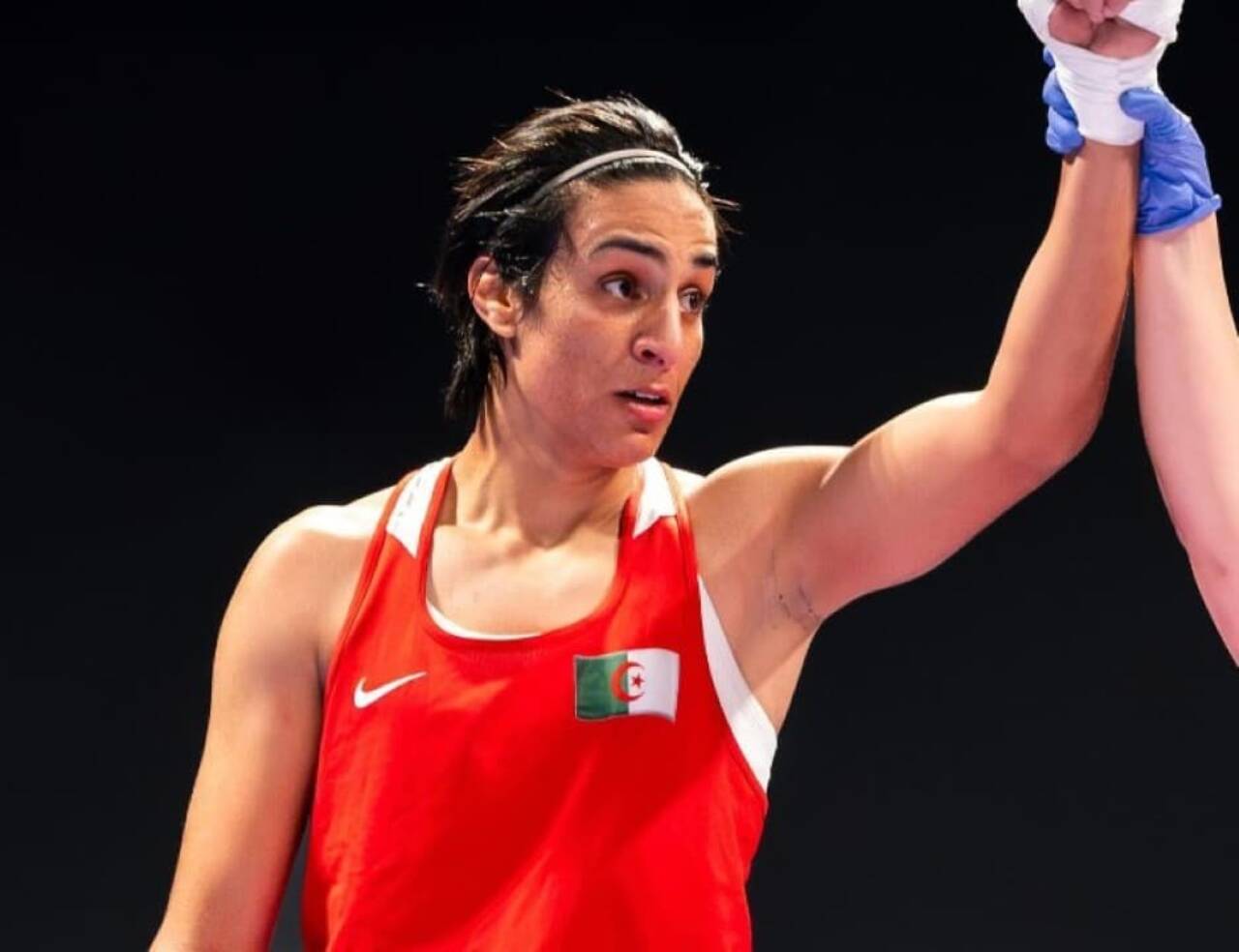
Imane Khelif, an Algerian boxer and gold medalist in the 66kg category at the Paris 2024 Olympics, has become one of the top sports figures in her country and an icon for Algerian youth. However, her journey is marked not only by achievements but also by controversies linked to her eligibility in women’s boxing categories. Questions surrounding her genetics, with claims about biological characteristics that challenge traditional definitions of gender, have placed Imane at the center of a global debate on inclusion and fairness in sports competitions.
Early steps in boxing and meteoric rise
Imane Khelif was born in 1999 in the city of Tiaret, Algeria. While still young, she became interested in boxing, a challenging and predominantly male sport. With the support of her family and coaches, Imane quickly stood out in local competitions. Her passion and skill in the ring caught the attention of coaches, and she began competing in international events, establishing herself as a promising figure in Algerian women’s boxing.
After several years of competing and accumulating victories in regional events, Imane joined the national team, which allowed her to compete in world championships. At the 2022 Women’s World Boxing Championship, she advanced to the quarterfinals, an unprecedented achievement for an Algerian athlete in her category. She won the admiration of fans and opened doors to an international career. However, the spotlight on her career also brought forward controversial questions about her eligibility to compete in women’s categories, raising questions about the suitability of her biological profile.
The controversy of her 2023 World Championship disqualification
In 2023, during her preparation for the World Championship, the International Boxing Association (IBA) issued a statement disqualifying Imane Khelif from the competition, arguing that she did not meet the biological requirements for competing in the women’s category. This decision was based on tests conducted by the entity, indicating that the athlete had chromosomal characteristics, such as the presence of XY chromosomes, traditionally associated with the male sex. Additionally, it was reported that Imane had elevated testosterone levels, a factor often linked to hyperandrogenism.
Imane Khelif’s disqualification sparked intense reactions from around the world, with some defending her right to compete and others questioning the impartiality and criteria used by the IBA to make such a decision. This episode highlighted the complexity of discussions surrounding the definition of gender in sports, as characteristics like hyperandrogenism or the presence of XY chromosomes are not exclusive to males and can appear in various intersex conditions.
Participation in the Paris 2024 Olympics
Despite the controversy at the 2023 World Championship, Imane Khelif managed to secure the right to compete in the Paris 2024 Olympics. The decision was backed by the International Olympic Committee (IOC), which adopted a set of less restrictive guidelines regarding eligibility criteria in women’s competitions. During the Olympics, Imane faced top-level opponents and reached the finals, where she defeated Chinese boxer Liu Yang, winning the gold medal.
Imane Khelif’s Olympic victory was a historic moment for Algerian sports and for the entire Algerian sports community, who saw in her journey a source of inspiration. However, it also reignited discussions about the participation of athletes with intersex variations or hyperandrogenism in women’s categories. The IOC’s decision to allow Imane’s participation, despite tests indicating typically male biological characteristics, was celebrated by some as a milestone of inclusion, while others questioned whether her presence in the women’s category could unbalance the competition.
Impact of the decision and reactions worldwide
The impact of Imane’s victory extended beyond Algeria. On the contrary, the topic was widely discussed in international media outlets and social networks. While many celebrated her win as an example of overcoming obstacles and resilience, others voiced concerns about the eligibility criteria that allowed her participation. Organizations and experts from various countries argued that the decision to include intersex athletes in female categories might create unfair competitive advantages, as these athletes have physical characteristics that, in some cases, may provide greater strength and endurance.
On the other hand, supporters of Imane’s participation and that of other athletes with similar conditions argue that sports need to reflect human diversity and that exclusion based on biological characteristics such as chromosomes or hormonal levels reinforces stigmas. For many, Imane’s victory symbolizes the fight for acceptance of individuals who do not fit traditional binary molds, bringing a new perspective to the concept of equality and inclusion in sports.
The debate on eligibility criteria in women’s competitions
The discussion over eligibility criteria in women’s sports competitions has intensified in recent years, especially in sports like track and field, swimming, and now boxing. Sports organizations are under pressure to find a balance between fair competition and inclusion, particularly in a context where advances in medicine and studies on biological diversity expose the complexity of the gender concept.
Cases like that of Imane Khelif and other athletes facing similar situations, such as Caster Semenya and Dutee Chand, highlight the difficulty in defining universal eligibility parameters. One of the main controversies revolves around hyperandrogenism, a condition characterized by naturally high levels of testosterone. For some experts, these hormone levels may provide an advantage, increasing strength and endurance in athletes. However, many researchers argue that there is not enough evidence to confirm that hyperandrogenism directly and significantly affects sports performance in all disciplines.
Timeline of events and major milestones
Below is a timeline highlighting some significant events that shaped Imane Khelif’s career and the debates surrounding her eligibility:
- 2019: Imane begins her international career, representing Algeria in regional competitions.
- 2022: Imane reaches the quarterfinals at the Women’s World Boxing Championship, standing out as one of Algeria’s top athletes.
- 2023: The International Boxing Association disqualifies Imane from the World Championship, citing her failure to meet the women’s category requirements.
- 2024: Imane is allowed to compete in the Paris Olympics; she wins the gold medal, reigniting debates over eligibility criteria.
Impact on sports and future generations of athletes
Imane Khelif’s case has sparked discussions that go beyond boxing and sports itself, leading to reflections on the rights and identity of athletes with biological variations. For many young athletes in Algeria and elsewhere, Imane represents an inspiration, showing that success in sports is possible even when facing barriers imposed by prejudice and misinformation.
Moreover, her journey sheds light on the need for future changes in eligibility rules and inclusion in sports competitions. Specialists and activists advocate for sports organizations to revise eligibility criteria, considering scientific and social aspects to ensure that decisions are fair and based on solid evidence. The lack of clarity around these criteria not only impacts athletes’ careers but also affects the perception of sports as a field of equity and respect.
Challenges and future perspectives
The future of Imane Khelif in international boxing is still uncertain, with the possibility of facing new challenges and questions about her participation in future events. However, the athlete has stated in interviews that she intends to continue competing and representing Algeria in world championships and possibly in the next Olympics.
This commitment underscores Imane’s resilience in the face of adversity and her determination to defend her right to compete. The athlete, who went from a promising local boxer to a symbol of resilience, intends to use her voice and experience to support other athletes who, like her, face questions about their identity and eligibility.
Conclusion: a milestone for inclusion and challenges for sports
Imane Khelif’s journey and the debates about her eligibility reflect a moment of transformation in sports, where inclusion and representation are gaining ground but also creating challenges. Imane’s case exemplifies the complexity of the topic, which requires a sensitive approach that respects human diversity. Consequently, sports organizations must seek solutions that honor the dignity of athletes without compromising competitiveness and transparency in events.
The path to consensus on eligibility rules in women’s competitions is still long, but Imane Khelif’s victory in the Olympics and her determination inspire the pursuit of a more inclusive and fair sporting environment. The athlete has made it clear that her fight goes beyond medals and that her presence in the ring is also an act of resilience and self-affirmation.





